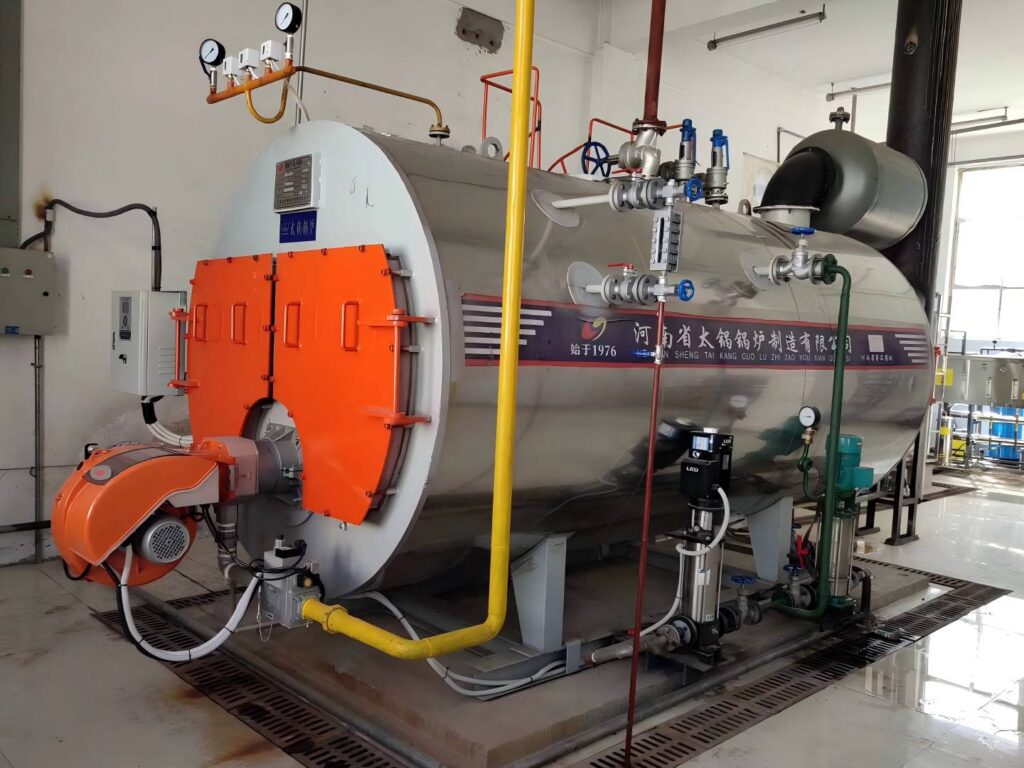
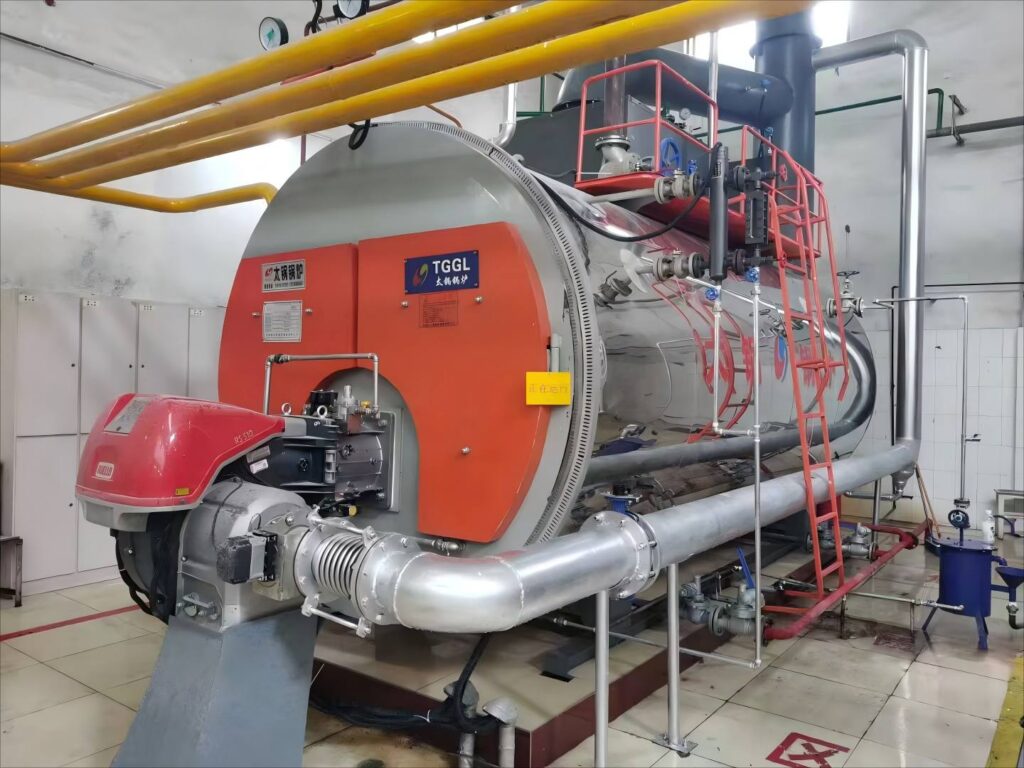
The food and beverage industry requires consistent, reliable thermal energy to process raw ingredients into finished products. Food Industry Steam Boiler deliver the necessary heat for high-volume sterilization, cooking, pasteurization, and cleaning while maintaining strict process control to ensure continuous production lines remain operational.
The Critical Standard: Why Steam Quality Defines Food Safety
In food processing—whether it is dairy pasteurization, beverage carbonation, or industrial canning—steam is often a direct ingredient. Any carryover of chemicals or fluctuations in pressure can lead to batch contamination or compromised texture.
At Taiguo Boiler, we provide more than just equipment; we deliver Technical Sovereignty. Our solutions are engineered to meet strict international hygienic standards while responding to the rapid load changes of modern food production lines.
Steam Requirements in Food & Beverage Processing
Food production involves transferring thermal energy to heat-sensitive ingredients. Steam acts as a highly efficient heat-transfer medium, providing rapid heating, precise temperature regulation, and clean energy delivery across various processing units. Unlike standard heating applications, food processing often involves rapid fluctuations in steam demand during batch processing, requiring boiler systems engineered for dynamic load response.
🧼 Hygienic Steam Standards
Clean and stable steam is essential for food safety and sterilization processes.
🌡 Precise Temperature Control
Accurate steam temperature is critical for dairy, beverage, and bakery production consistency.
⚙ Continuous Steam Supply
Food factories require reliable steam systems for 24/7 continuous production operations.
💰 Energy Efficiency & Cost Reduction
Optimized boiler systems help reduce fuel consumption and long-term operating costs.
🏭 Stable Production Performance
Consistent steam pressure ensures smooth production and product quality.
Core Technical Sovereignty Of Food Industry Steam Boiler: Our Three Pillars of Excellence
Culinary-Grade Steam Purity
Standard industrial steam isn’t enough. Our F&B series integrates high-precision Multi-Stage Water Treatment and automated surface blowdown systems. This ensures that the steam contacting your food products is free from scale-forming minerals and chemical residuals, maintaining 100% compliance with FDA and HACCP-level audits.
Instant Load Response (Variable Load Mastery)
Food processing cycles, such as sterilization bursts, create sudden, massive demands for steam. Our boilers feature an oversized steam drum and advanced PID Control Logic, allowing the system to ramp up output by 15% faster than legacy systems without a drop in pressure. This prevents the “temperature dip” that ruins food consistency.
Zero-Downtime Reliability (Winter-Proof Design)
For our clients in Uzbekistan and high-humidity Southeast Asian regions, we utilize IP55-rated electrical components and anti-corrosion coatings. Our PLC-controlled “Hibernation Mode” prevents pipe freezing during Central Asian winters, ensuring your production line starts instantly every morning.
Food Industry Steam Applications
Steam is widely applied across different food processing stages to ensure hygiene, safety, and production efficiency.
🥛 Dairy Processing
Milk sterilization, pasteurization, and heating systems
🥤 Beverage Production
Brewing, juice heating, bottling, and beverage processing lines
🍞 Bakery Production
Baking ovens, fermentation systems, and humidity control
🥩 Meat Processing Production Line
Cooking, sterilization, and equipment cleaning systems
🧼 Food Sterilization Systems
High-temperature cleaning and disinfection processes
📦 Packaging Line Heating System
Steam support for packaging and thermal processing lines
Steam Quality and Hygiene Requirements for Food Processing
Food plant steam systems must address differing steam quality requirements depending on the application:
Recommended Food Industry Steam Boiler
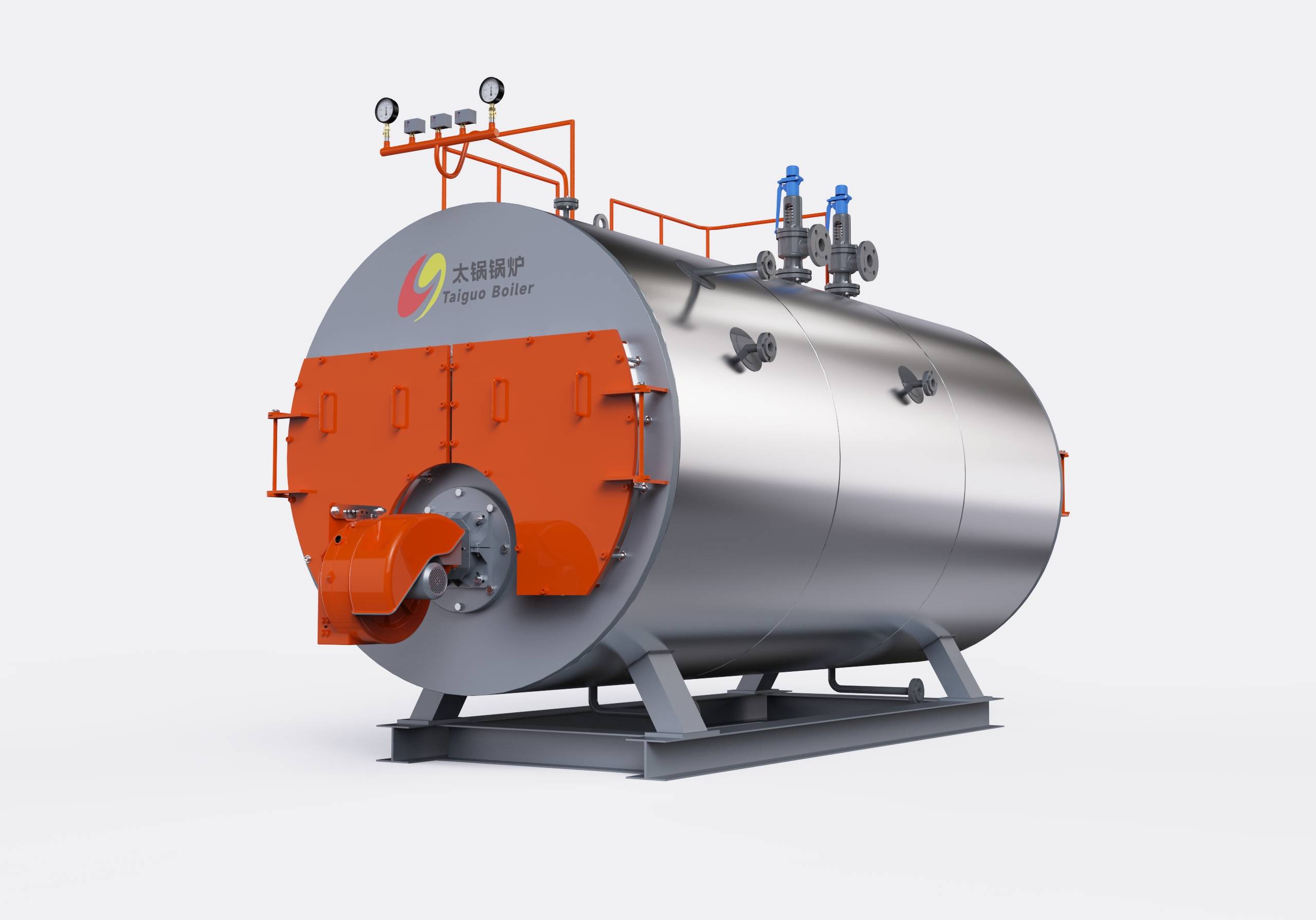
WNS Series: High-Efficiency Gas/Oil Steam Boiler–Food Industry Steam Boiler
- Best For: Urban food factories, breweries, and dairies.
- The Advantage: Clean combustion, ultra-low NOx (<30mg/m³), and fully automated PLC operation for 24/7 hygienic production.
- 👉 View WNS Gas Boiler Price & Specs
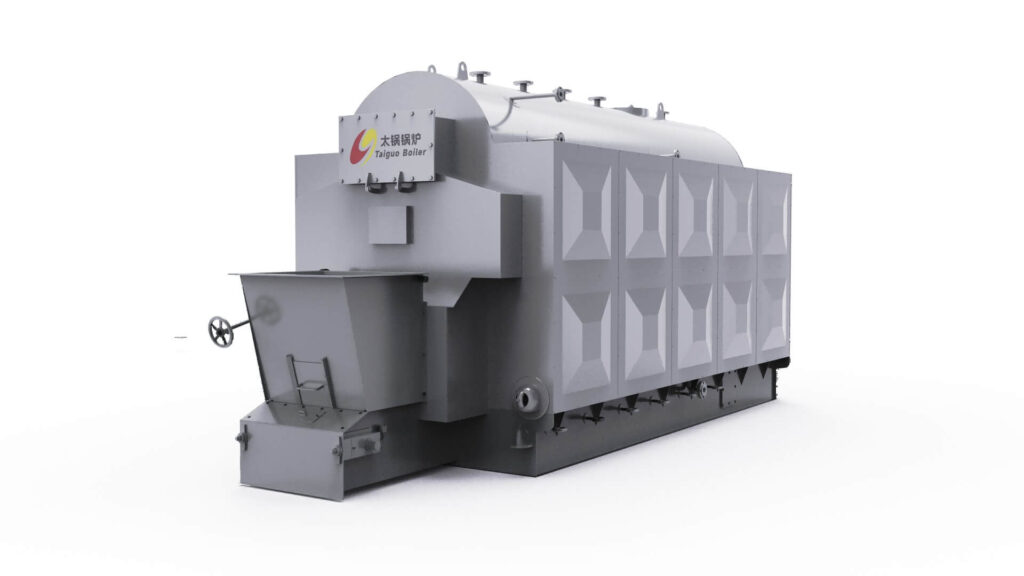
Biomass Steam Boiler (Solid Fuel High-Efficiency System)-Food Industry Steam Boiler
- Best For: Fuel-cost sensitive food plants, regions with abundant biomass resources.
- The Advantage: Uses agricultural waste, wood chips, and biomass pellets as fuel, significantly reducing operating costs. higher thermal efficiency and stable steam output
- 👉 View Biomass Boiler Price & Specs
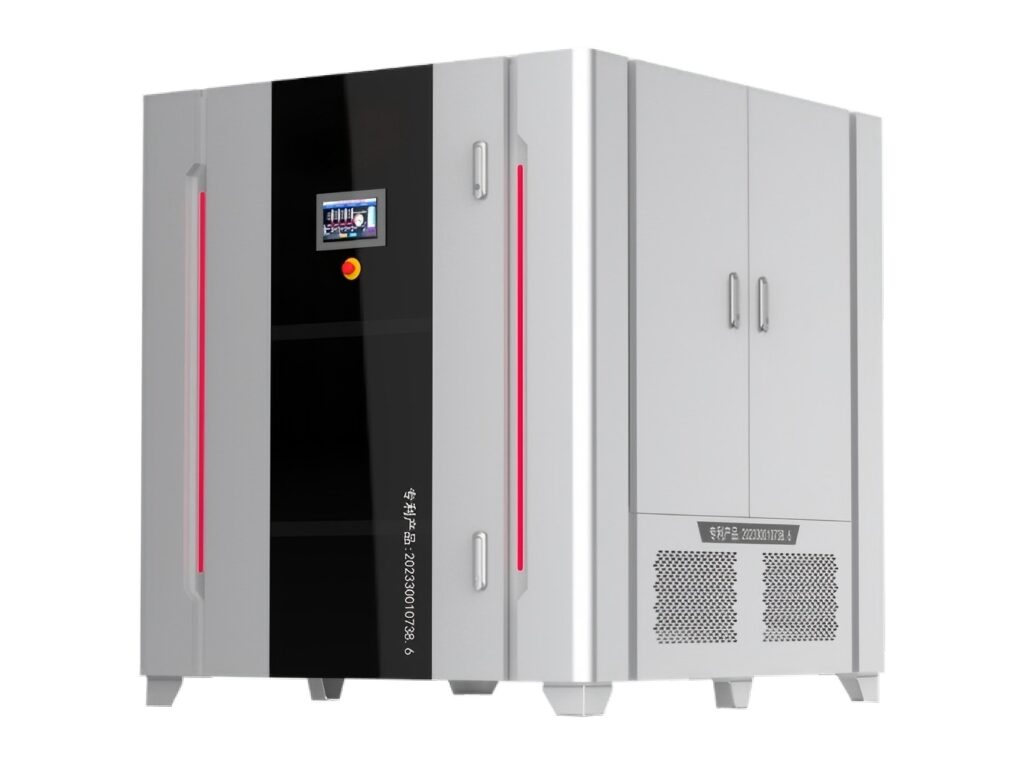
Electric Steam Boiler (Electrically Heated Steam Generator)-Food Industry Steam Boiler
- Best For: Ultra-clean steam, small-scale production lines, laboratories, and strict hygiene environments.
- The Advantage: 100% zero combustion emissions, Compact design, fast startup, precise temperature control , Fully automatic PLC control ,24/7 operation
- 👉 View Electric Steam Boiler Price & Specs
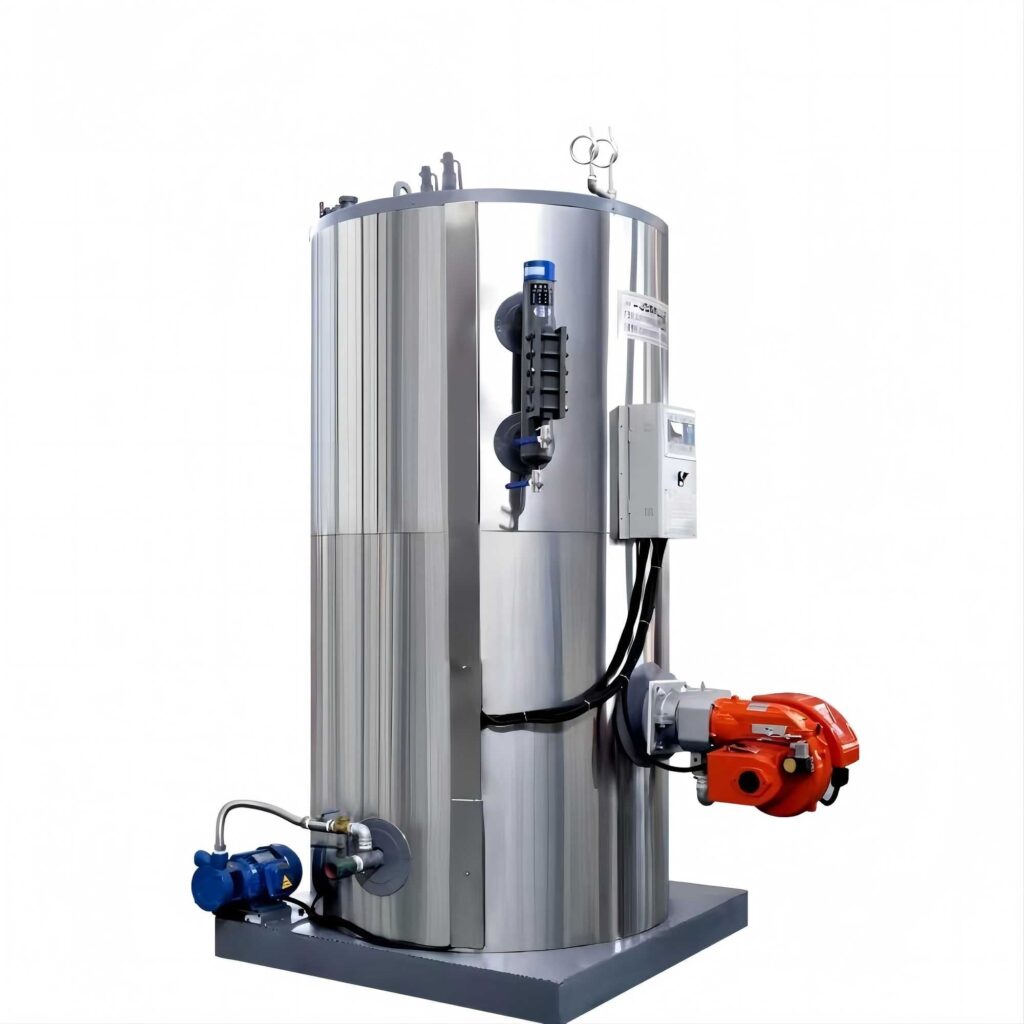
LSS Series: Vertical Once-Through Steam Generator-Food Industry Steam Boiler
- Best For: Small-scale processing, pilot lines, and rapid-start requirements.
- The Advantage: Steam in under 5 minutes. Compact footprint and, in many regions, inspection-free status for lower administrative costs.
- 👉 View Rapid-Steam Solutions
How to Select a Steam Boiler for a Food Factory
Selecting the correct steam generation system involves engineering analysis of the production facility:
- Required Steam Capacity: Calculate total peak steam demand across all operating equipment, including a standard engineering safety margin (usually 15–20%).
- Operating Pressure: Determine the maximum pressure required by the most demanding process (e.g., industrial autoclaves) to size the boiler vessel appropriately.
- Production Schedule: Many food processing facilities require reliable steam supply throughout extended production schedules, while batch-processing plants may experience significant variations in steam demand.
- Fuel Availability: Evaluate the cost and reliable supply of natural gas, light diesel, or biomass pellets.
- Boiler Room Space: Assess physical footprint constraints, access routes for installation, and necessary clearances for maintenance.
- Future Expansion: Consider installing modular boiler systems or pre-sizing steam headers to accommodate additional production lines.
Food Plant Boiler Safety & Control Systems
Modern food plant boilers require robust safety interlocks to protect personnel and equipment:
- Pressure Control: Dual safety valves, pressure transmitters, and high-pressure mechanical limit switches.
- Water Level Protection: Multi-stage low-water cutoffs prevent dry firing.
- Burner Safeguards: Flame scanners and automated pre-purge cycles prevent unburned fuel accumulation.
- Load Response & Steam Pressure Stability: Integrated PLC systems utilize PID control to modulate burner output, maintaining stable header pressure during batch sterilization or pasteurization cycles.
Energy Efficiency and Heat Recovery for Food Processing
Optimizing thermal efficiency reduces the cost per ton of steam generated:
- Flue Gas Economizers: Capture exhaust heat to preheat incoming boiler feedwater.
- Condensate Recovery: Returning hot, treated condensate back to the boiler reduces raw water consumption and fuel required for heating.
- Boiler Blowdown Heat Recovery: Flash tanks and heat exchangers recover thermal energy from high-temperature blowdown water.
- Insulation & Steam Trap Management: Proper pipeline insulation and routine steam trap maintenance prevent significant thermal losses across the distribution network.
Food Industry Steam Boiler Solutions
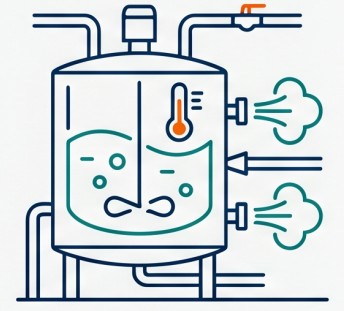
Dairy Processing Steam Solution
High-stability steam system for pasteurization lines and milk processing facilities, ensuring consistent heating performance.
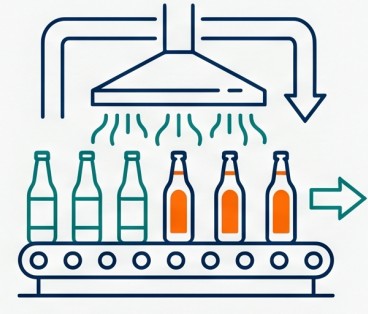
Beverage Production Steam Solution
Optimized steam system for brewing, juice heating, bottling production lines with high efficiency
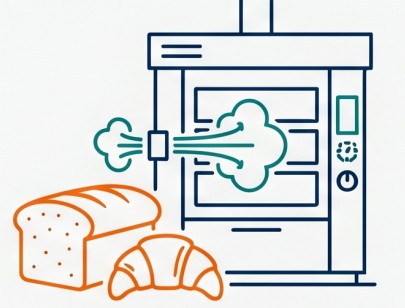
Bakery Industry Steam System
Customized steam solution for baking ovens, fermentation control, and humidity regulation systems.

Meat Processing Steam System
Steam is used for cooking, sterilization, and cleaning processes

Food Factory Energy Cost Optimization
Steam system evaluation and fuel consumption analysis to reduce long-term operating costs.
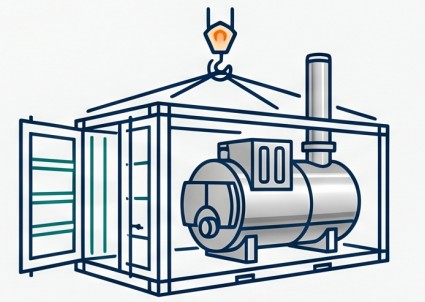
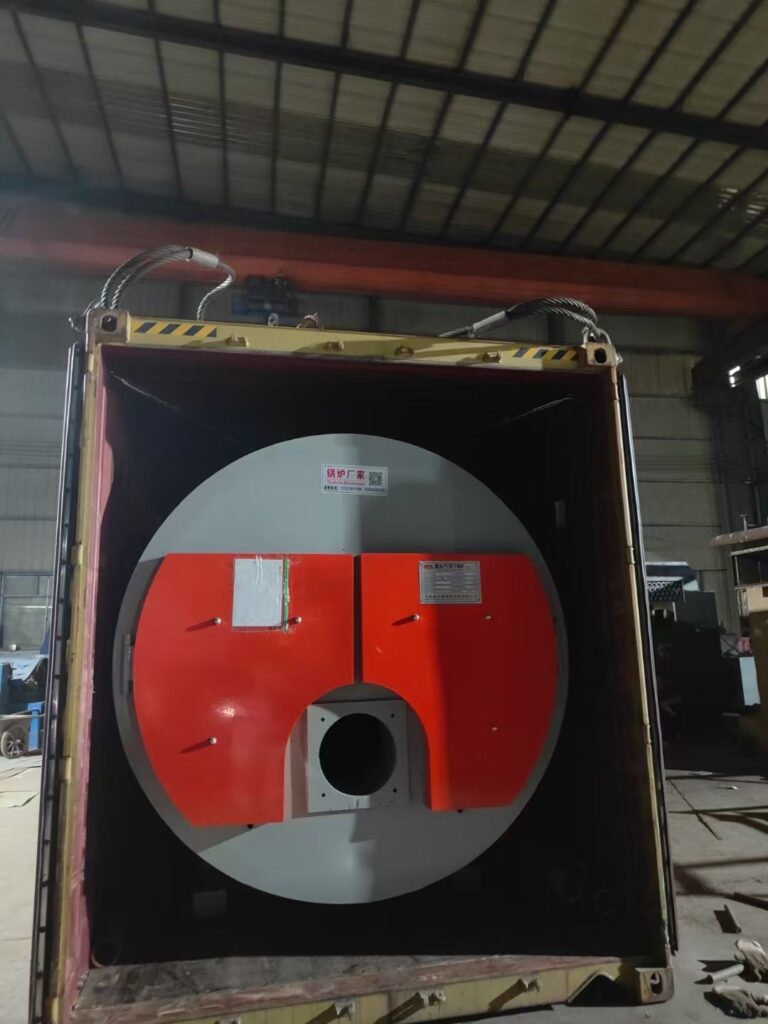
Containerized Food Boiler Solution
Pre-installed steam system for fast deployment in overseas food production facilities.
Typical Food Industry Markets We Serve
We provide reliable steam boiler solutions for food processing industries across rapidly growing global manufacturing regions.

Uzbekistan Food Processing Industry
Uzbekistan is a fast-growing hub for food processing, especially in dairy production, beverage manufacturing, and packaged food industries.
We support industrial zones in Tashkent, Fergana, and Namangan with stable steam systems for continuous food production.
👉 Focus industries: dairy, beverage, packaged food

Indonesia Food Manufacturing Plants
Indonesia’s food industry includes large-scale beverage production, bakery manufacturing, and processed food factories across Jakarta, Surabaya, and Bandung.
Industrial steam systems are widely used to ensure stable heating and production efficiency.
👉 Focus industries: beverage, bakery, processed food

Philippines Food Production Facilities
Philippines food industry is growing rapidly, with strong demand in beverage production, dairy processing, and bakery manufacturing
Industrial steam systems are support stable heating, sterilization, and continuous food production processes.
👉 Focus industries: beverage, dairy, bakery, processed food
Investment ROI Of Food Industry Steam Boiler: Upgrading Your Food Plant
💸 Lower Operational Costs
Our integrated economizers pre-heat feedwater using exhaust gas, reducing your monthly fuel bill by up to 8%. In a high-capacity food plant, the boiler pays for itself within 18-24 months.
🛡️ Reduced Spoilage & Waste Consistent steam pressure means no temperature drops during pasteurization. You’ll eliminate product batches ruined by unstable heat, directly protecting your bottom line.
⏳ Extended Equipment Lifespan With our automated water treatment and surface blowdown, you prevent scale buildup, extending the boiler’s service life by 5+ years compared to standard industrial models.
Food Industry Boiler Cost & Total Cost of Ownership (TCO)
The financial viability of a boiler system relies heavily on long-term operating expenses (OpEx) rather than solely initial capital cost (CapEx).
A comprehensive TCO assessment includes:
- Fuel Consumption: Driven by boiler efficiency, fuel price, and operating hours.
- Water & Chemical Costs: Reduced significantly by effective condensate recovery.
- Maintenance & Downtime: Factoring in routine servicing and the severe financial impact of product loss caused by unstable steam.
Estimated Steam Generation Cost:
Strategic Logistics & Global Compliance For Food Industry Steam Boiler
As a direct manufacturer, we handle the complexity of global trade so you can focus on production.
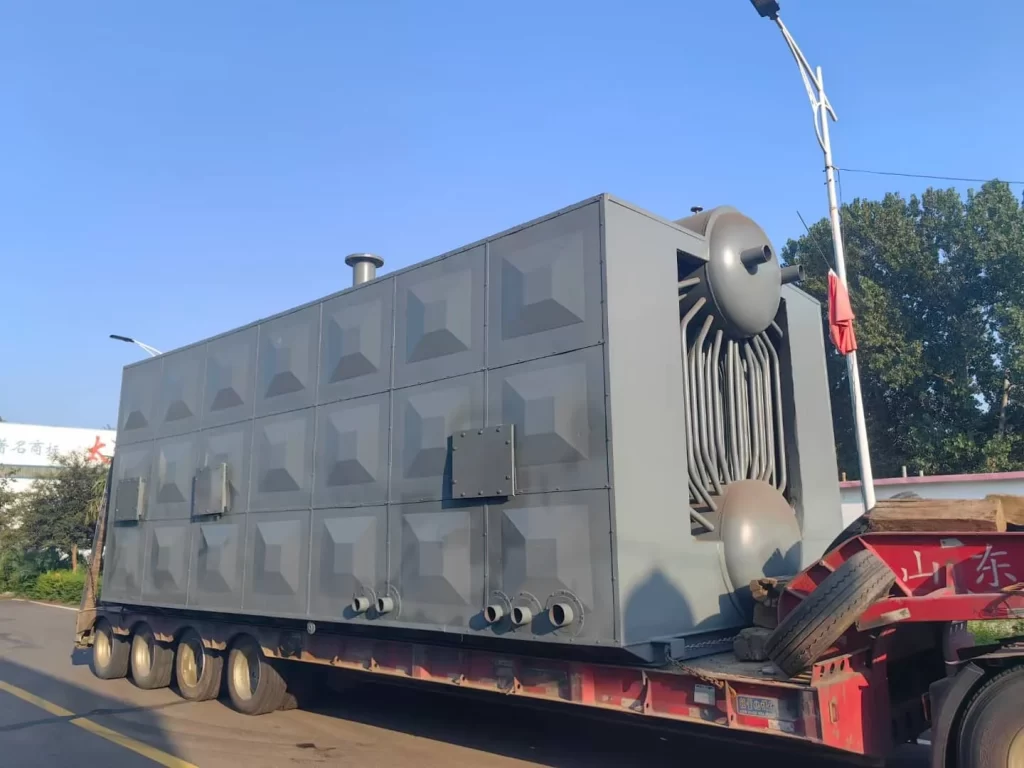
Uzbekistan Support: Full technical dossiers for Gozgortekhnadzor registration and local commissioning teams in Tashkent and Fergana.
Southeast Asia Hubs: Optimized shipping routes for Indonesia, Philippines, and Vietnam with specialized anti-corrosion packaging for tropical climates.
Technical Knowledge for Food Industry Steam Boiler
Learn key technical insights to help food factories choose the right steam boiler system, improve efficiency, and reduce operating costs.
🔧 How to Choose Boiler for Food Factories
Learn how production scale and steam demand affect boiler selection
🥛 Steam Pressure Requirements in Dairy Production
Understand optimal steam pressure for pasteurization and sterilization
⚡ Gas vs Biomass Boiler for Food Industry
Compare operating cost, efficiency, and hygiene applications
🧱Food Factory Steam Cost Analysis
Understanding steam cost to control production expenses and improve long-term profitability
💰 Energy Saving Strategies in Food Processing Plants
Reduce fuel consumption and improve production efficiency.
🏭 Food Industry Boiler Case Studies
Real project examples from food factories across Asia and the Middle East
Frequently Asked Questions (FAQ)
Can your Food Industry Steam Boiler handle 24/7 continuous operation in a canning factory?
Yes. Our Food Industry Steam Boiler are rated for continuous industrial duty. With redundant feed-water pumps and “Lead-Lag” PLC configurations, we ensure your steam supply never pauses.
Is the system compatible with low-pressure natural gas supplies?
Absolutely. We equip our F&B boilers with specialized gas trains that stabilize burner performance even when inlet pressure drops as low as 5-10kPa during peak winter demand.
Do you provide on-site operator training?
Yes. Upon commissioning, our engineers provide a 3-day intensive training program for your local team, covering safety protocols, PLC management, and routine maintenance.
Does your boiler meet international food safety standards?
Yes, our Food Industry Steam Boiler are designed to provide culinary-grade steam, meeting strict HACCP and FDA requirements for direct food contact.
Can this boiler handle the cold climate in Uzbekistan?
Absolutely. Our boilers feature specialized insulation and PLC hibernation modes specifically tested for the Central Asian climate.
What steam pressure is typically required for food processing?
Most standard food applications (cooking, heating, pasteurization) operate between 0.4 MPa to 1.0 MPa (4 to 10 bar). High-temperature canning retorts may require specific higher pressures depending on the product.
Should a food factory use natural gas, biomass, or electric steam generation?
Natural gas is preferred for its clean operation and high automation. Biomass is viable where solid fuel is inexpensive and space permits. Electric is ideal for small capacities or strict zero-emission zones.
What is the difference between process steam and clean or culinary steam?
Process steam does not touch the product. Culinary/clean steam directly contacts the food and requires specific filtration, stainless steel piping, and strict feedwater chemical control to meet hygiene standards.
How is boiler feedwater treated in a food processing plant?
Standard treatment involves water softeners to remove hardness. High-capacity or high-pressure plants utilize Reverse Osmosis (RO) and deaerators to ensure high-purity feedwater.
How does condensate recovery reduce boiler fuel consumption?
Returning condensate at 80°C–90°C directly reduces the energy required to heat cold makeup water (e.g., 20°C) up to boiling temperature, significantly lowering fuel usage.
Can the boiler handle batch production with rapidly changing steam demand?
Yes. Fire-tube boilers (WNS series) possess large internal water volumes that act as a thermal buffer, absorbing sudden steam demands without severe pressure drops.
Get Your Food Industry Steam Solution Today
Choose the right steam system for your food factory production needs.
🔵 Get Food Boiler Solution
🔵 Calculate Food Steam Cost
🔵 Request Boiler System Layout
🔵 Get Energy Saving Analysis
Trusted by food processing factories across Central Asia, Southeast Asia, and the Middle East.