Precision Pressure Control • Zero Downtime Reliability • 98% Thermal Efficiency • GOST & CE Certified
Chemical processing requires reliable, uninterrupted thermal energy. Plant operations depend heavily on precise heat inputs to maintain product yield, ensure process safety, and avoid batch degradation. Chemical Industry Boiler systems supply this critical thermal baseline across diverse chemical manufacturing units, delivering high-temperature energy for continuous operations.
Thermal Energy Requirements in the Chemical Industry
Chemical synthesis and separation processes demand distinct thermal media, operating temperatures, and pressure levels:
Steam vs. Thermal Oil: Selecting the Right Heating Medium
Chemical engineers evaluate process characteristics to determine whether saturated/superheated steam or liquid-phase thermal fluid delivers optimal operational efficiency.
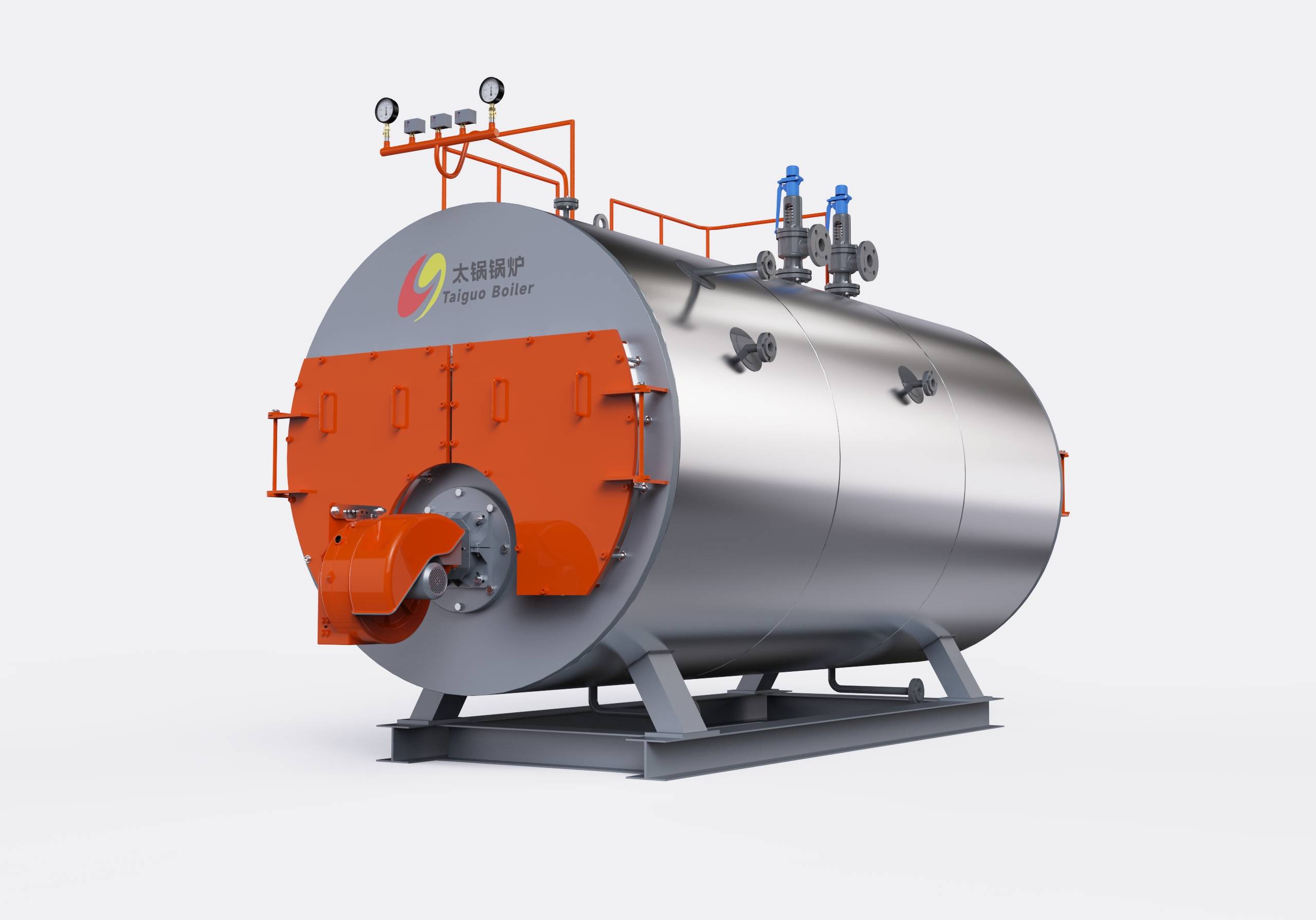
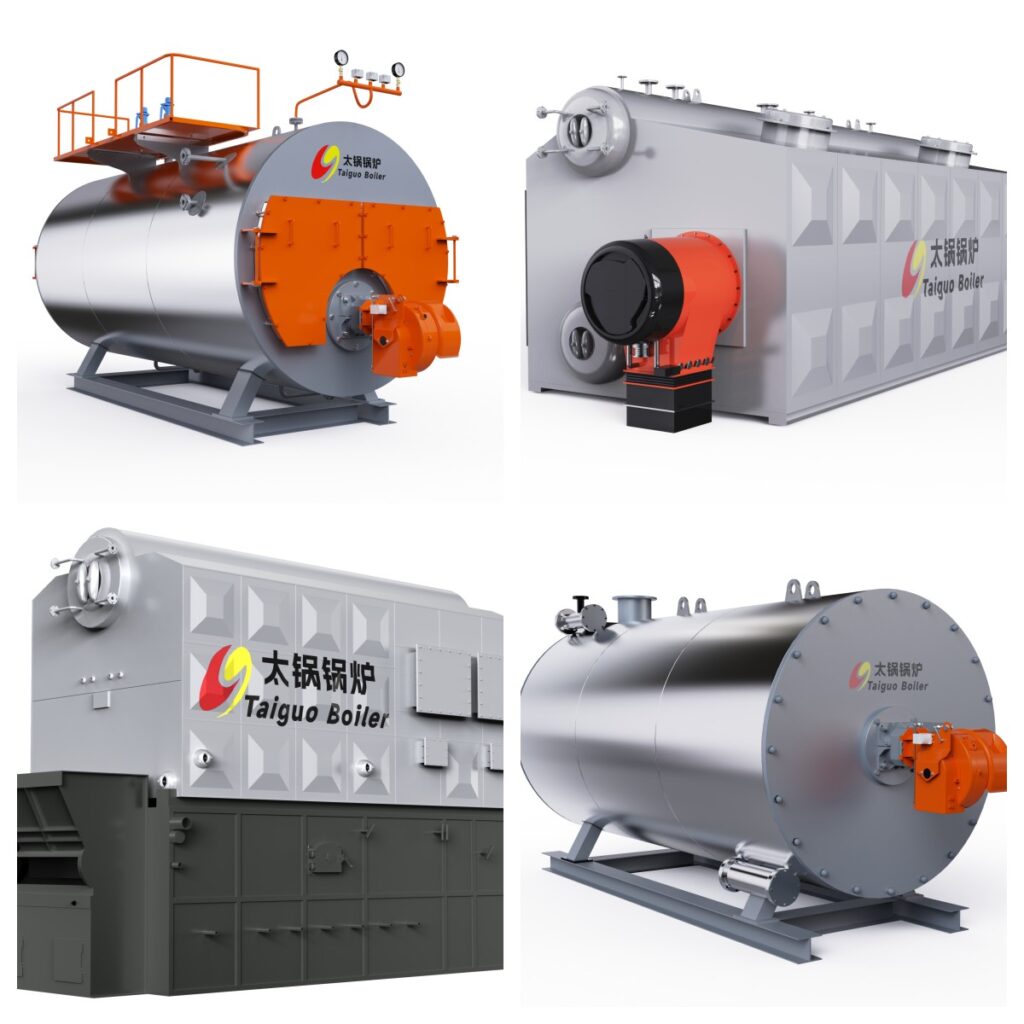
🔹 WNS Gas Steam Boiler-Chemical Industry Boiler
- High efficiency with low fuel cost
- Easy operation for factory workers
- Reliable and stable performance
- Lower maintenance cost
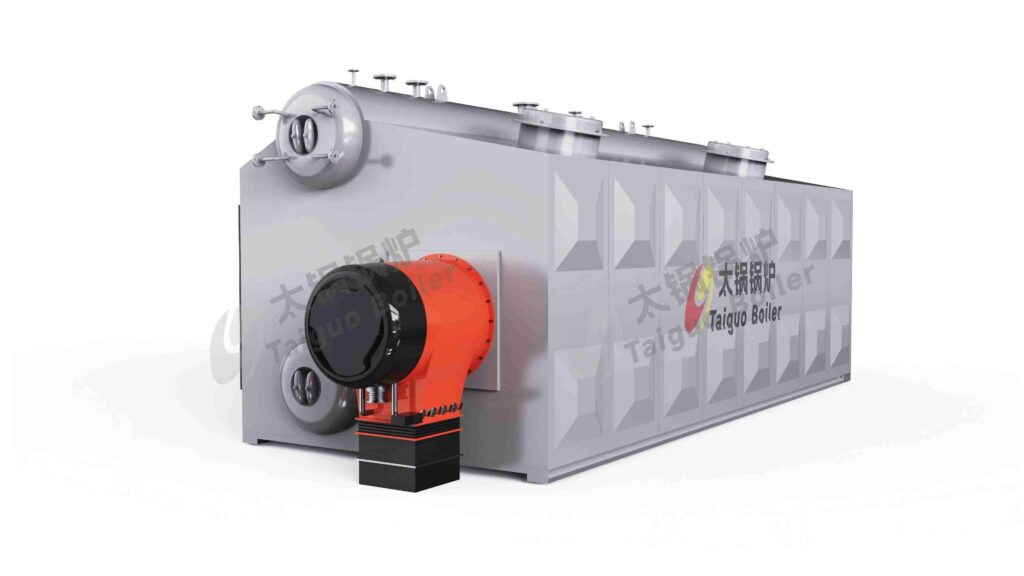
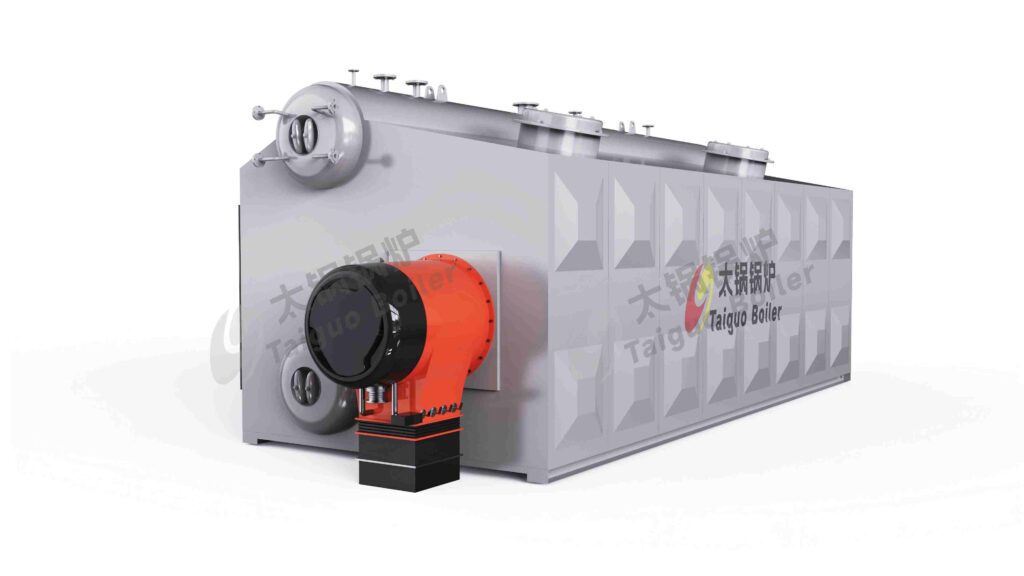
SZS Water Tube Boiler-Chemical Industry Boiler
- Handles high-pressure steam demand
- Ensures stable reaction temperatures
- Supports continuous production lines
- Reduces fuel cost by 15–25%
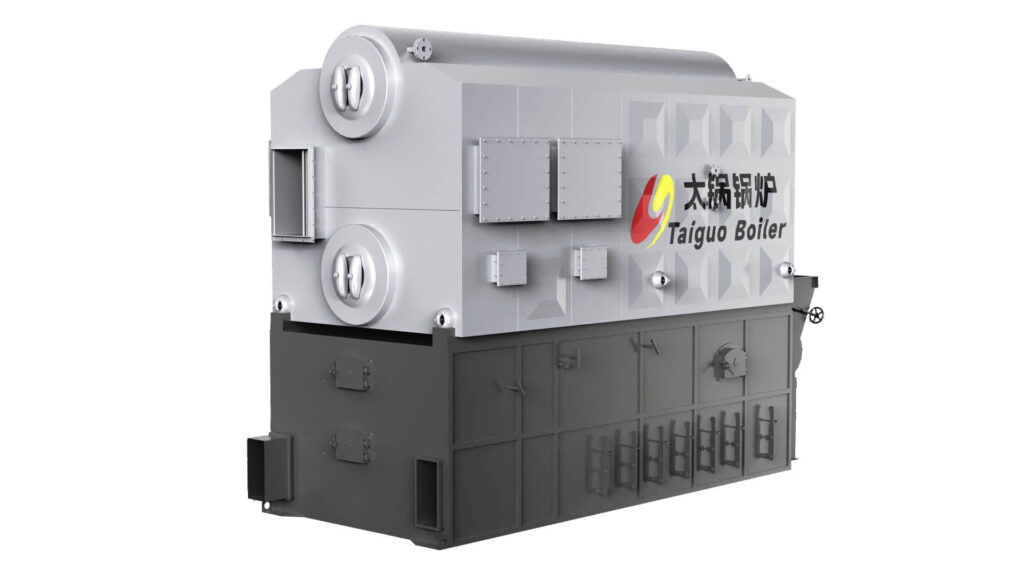
SZL Biomass Boiler-Chemical Industry Boiler
- Save fuel cost significantly
- Utilize local biomass resources
- Reduce dependence on gas/diesel
- Suitable for developing industrial regions
👉 SZL Biomass boiler work for:
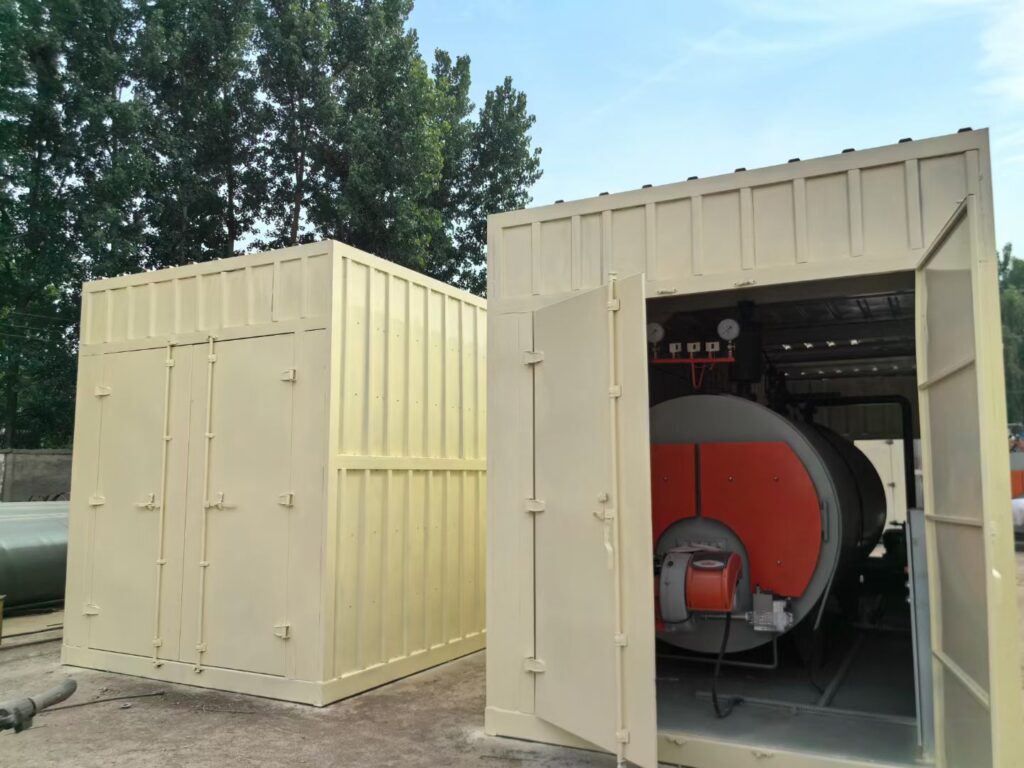
Skid-Mounted Boiler-Chemical Industry Boiler
- Faster project delivery
- Lower installation cost
- Reduced engineering complexity
- Higher reliability for export projects
👉Skid-Mounted Boiler work for:
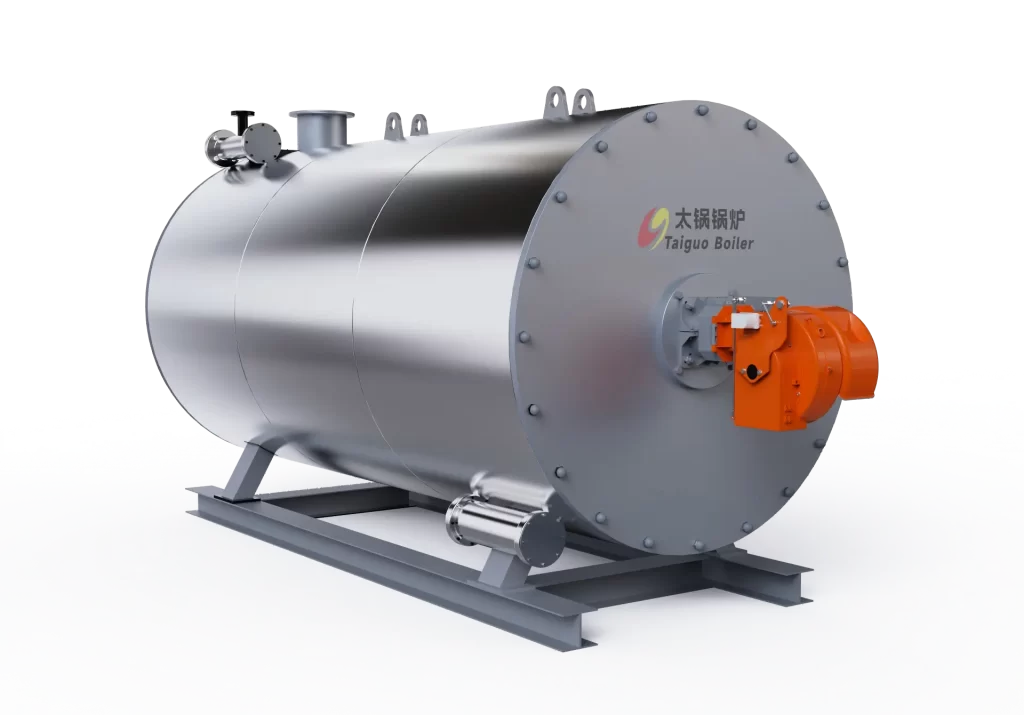
Thermal Oil Heater-Chemical Industry Boiler
- Lower Operating Pressure → Higher Safety
- No Water Treatment Cost
- More Stable Heat Supply
- Better for High-Temperature Applications
How to Select a Chemical Industry Boiler
Sizing and configuring a chemical plant boiler involves systematic evaluation of operating parameters:
- Medium Selection (Steam vs. Thermal Oil): Determine the required working temperatures and evaluate whether process vessels are pressure-rated for steam or configured for thermal fluid.
- Operating Temperature & Pressure: Establish peak saturation temperatures or superheat requirements across all downstream process units.
- Steam & Thermal Capacity: Calculate aggregate steady-state loads, peak batch startup demands, and future expansion requirements.
- Fuel Availability & Economics: Assess the reliable supply and cost of pipeline natural gas, light diesel, heavy fuel oil, biomass, or grid power.
- Process Load Profiles: Account for rapid load swings caused by intermittent batch autoclaves and cyclic distillation startups.
- Hazardous Area Classification: Identify hazardous zone classifications (Zone 1 / Zone 2) to determine the placement and enclosure specifications for burners, sensors, and electrical panels.
Chemical Industry Boiler Selection Matrix
Expert Integration Solutions for Chemical Industry Boiler
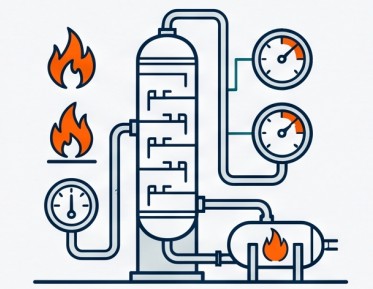
Distillation & Refining
Continuous Separation with Precision Heat Chemical refining demands extremely stable, high-temperature heat. Our boiler systems deliver precise, non-fluctuating steam to fractional distillation columns, ensuring efficient separation and optimal product purity.
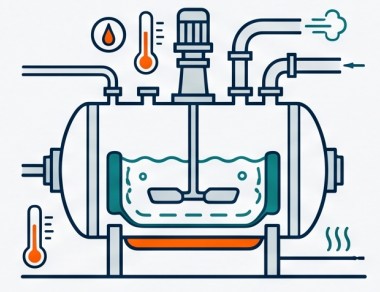
Reaction Kettle Heating
Stable Thermal Loads for Critical Reactors Chemical reactors are the heart of your plant. We provide reliable steam supply for jacketed reaction kettles and pressurized vessels, maintaining accurate temperatures for complex exothermic or endothermic chemical reactions.
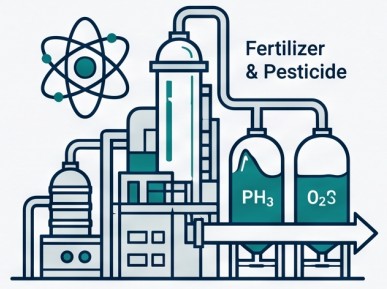
Fertilizer & Pesticide
Scalable High-Volume Steam for Continuous Processing Fertilizer and pesticide manufacturing requires constant, high-volume steam. Our SZS water tube boilers deliver massive capacity (up to 70T) for 24/7 ammonia synthesis, phosphoric acid processing, and complex mixing lines.
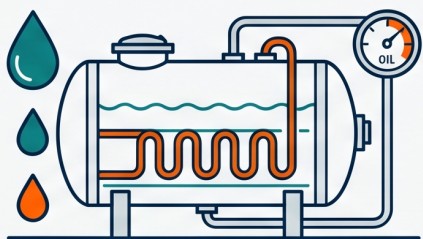
Storage Tank Heating
Viscous Chemical Flowability Management Maintain heavy oil and viscous chemicals at optimal flow temperatures. Our trace heating and localized tank heating solutions use low-pressure steam to keep ingredients flowing and prevent solidification.
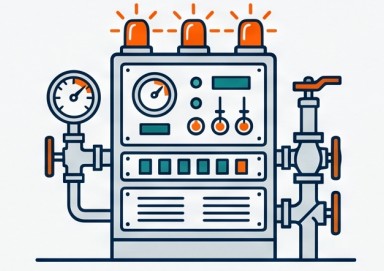
High-Pressure Safety Systems
Redundant Monitoring for Volatile Environments Safety is everything in chemical production. Our high-pressure boilers include specialized explosion-proof instruments, redundant sensors, and multi-layer emergency shutdown systems tailored for hazardous chemical zones.
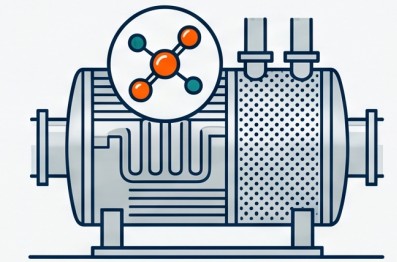
Corrosion-Resistant Design
Built for Acidic and Aggressive Atmospheres Chemical plants are harsh. We offer specialized boiler components, such as stainless steel economizers and corrosion-resistant alloy tubing, engineered to withstand aggressive chemical atmospheres and highly acidic feed water.
Regional Market Expertise in Chemical & Energy Sectors
Taiguo delivers high-performance Steam Boiler for Chemical Industry solutions tailored to the specific industrial standards and environmental conditions of our core markets.

Uzbekistan: Powering Central Asia’s Chemical Hub
Strategic steam systems for large-scale Fertilizer plants (Ammonia/Urea) and chemical clusters in Tashkent, Navoi, and Fergana.
- Local Compliance: Fully certified for UzStandard high-pressure vessel regulations to ensure rapid plant approval.
- Proven Performance: Expert in integrating boilers for continuous chemical processing in extreme continental climates.
- 👉 View Uzbekistan Chemical Projects

Philippines: Precision Steam for Specialty Chemicals
Reliable boiler solutions for Industrial Gas, Food Chemicals, and Pharmaceutical manufacturing across the Philippines.
- Local Compliance: Fast-track delivery and local technical support for projects in Manila, Cebu, and Davao.
- Energy Flexibility: Specialized biomass and gas integration to help local chemical factories optimize fuel costs.
- 👉 Get Philippines Project Proposal

Indonesia: Supporting Palm Oil & Petrochemical Giants
High-capacity SZS water tube boilers designed for the massive Refining and Petrochemical sectors in Java, Sumatra, and Kalimantan.
- Local Compliance: Engineered to meet MIGAS and DEPNAKER safety standards for volatile industrial environments.
- Tropical Engineering: Anti-corrosive components and high-humidity protection for long-term coastal operation.
- 👉 Explore Indonesia Refinery Cases
Strategic Fuel Selection for Chemical Industry Boiler: Safety, Reliability & Operating Cost
Fuel selection for a chemical plant is not simply a question of choosing the lowest-cost energy source. The boiler system must be matched to the plant’s steam demand, required pressure and temperature, fuel availability, operating schedule, emissions requirements, maintenance capability and site safety conditions.
For chemical processes such as distillation, evaporation, reactor heating, drying and process sterilization, a stable thermal energy supply is essential. The right fuel and boiler configuration can improve operating reliability while helping control fuel consumption, maintenance requirements and lifecycle cost.
Fuel Selection Matrix for Chemical Plants
The most suitable fuel should therefore be selected according to the complete project operating conditions, rather than fuel price alone.
How Fuel Choice Affects Chemical Plant Operations
Fuel selection affects more than the cost of generating steam. It also influences boiler load response, combustion stability, auxiliary equipment, maintenance requirements, emissions control and overall plant reliability.
Modulates quickly to load swings with zero solid ash. Ideal for continuous, clean chemical process steam with reliable gas pipelines.
High energy density for regions without gas supply or as backup loops. Requires dedicated oil filtration, pumping, and regular burner upkeep.
Economical using agro/wood residues. Moving grates and secondary air ensure reliable combustion against variable moisture and ash.
Cost-effective baseload steam where permitted. Project planning must include mechanical fuel feeding, ash removal, and emission controls.
Steam Generation Cost Should Be Calculated for the Specific Project
There is no universal cost per ton of steam that applies to every chemical plant.
Actual steam-generation cost depends on multiple variables, including:
- Local fuel price
- Fuel calorific value
- Fuel moisture content
- Boiler efficiency
- Required steam pressure
- Feedwater temperature
- Condensate recovery
- Boiler operating load
- Annual operating hours
- Auxiliary electricity consumption
- Fuel handling and storage costs
- Emission-control requirements
A simplified calculation can be expressed as:
Fuel Cost per Ton of Steam = Fuel Consumption per Ton of Steam × Local Fuel Price
The actual fuel consumption should be determined from the selected boiler’s performance under the project’s required operating conditions.
For investment decisions, chemical plants should evaluate total cost of ownership (TCO) rather than comparing fuel prices alone. Boiler efficiency, maintenance, downtime, auxiliary systems, fuel infrastructure and expected operating life can significantly affect the long-term economics of the installation.
Chemical Plant Boiler Safety & Control Systems
Chemical plants require reliable thermal systems with appropriate layers of protection to maintain safe and stable operation. Boiler safety should be designed around the specific fuel, pressure, temperature, process environment and applicable local regulations rather than relying on a single protection device.
Zone 1 or Zone 2 equipment should never be specified simply because the facility is a chemical plant. The required protection level must be determined from the project’s hazardous-area classification.
Energy Efficiency & Heat Recovery for Chemical Boiler Systems
Energy efficiency in a chemical plant depends not only on boiler combustion efficiency but also on how effectively heat is recovered and reused throughout the thermal system.
A well-designed boiler system can recover part of the energy that would otherwise leave through the flue gas or be lost with hot condensate.
2026 Price Guide Of Chemical Industry Boiler : Chemical Grade Boilers
Estimated Factory Prices (FOB). Includes high-precision burners and Siemens PLC systems.
ROI Model Of Steam Boiler for Chemical Industry (Industrial Decision Logic)
A typical chemical plant boiler system impacts:
🔻 Cost Factors:
- Fuel consumption cost
- Maintenance cost
- Downtime loss
- Heat efficiency loss
🔺 Value Gains:
- Production stability improvement
- Yield increase (2–8%)
- Energy saving (10–25%)
- Reduced batch failure rate
📌 Simple ROI Formula:
ROI = (Energy Savings + Reduced Losses) − Boiler Investment Cost
📈 Example:
For a medium chemical plant:
- Annual fuel cost: $500,000
- Efficiency improvement: 15%
- Annual saving: $75,000
👉 Payback period: 1.5–3 years
Real-World Success: Chemical Industry Boiler Case Studies
Uzbekistan 10-Ton Resin & Paint Production Plant
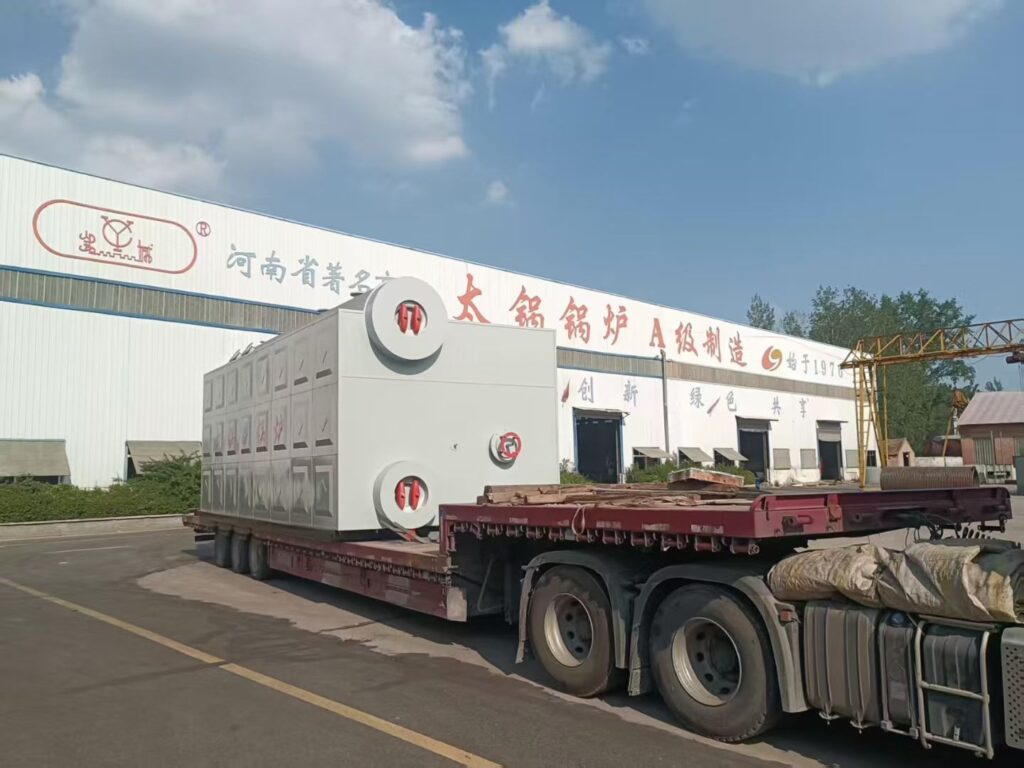
- The Challenge: The client needed high-temperature steam (1.25 MPa) for resin polymerization with zero pressure fluctuation.
- The Solution: SZS Series 10-Ton Gas Steam Boiler integrated with a high-precision Italian burner.
- The Result: 24/7 stable operation achieved. The client reported a 22% reduction in fuel consumption compared to their old Soviet-era equipment.
- Status: Running smoothly in Tashkent since 2024.
Kazakhstan Industrial Fertilizer Manufacturing Hub
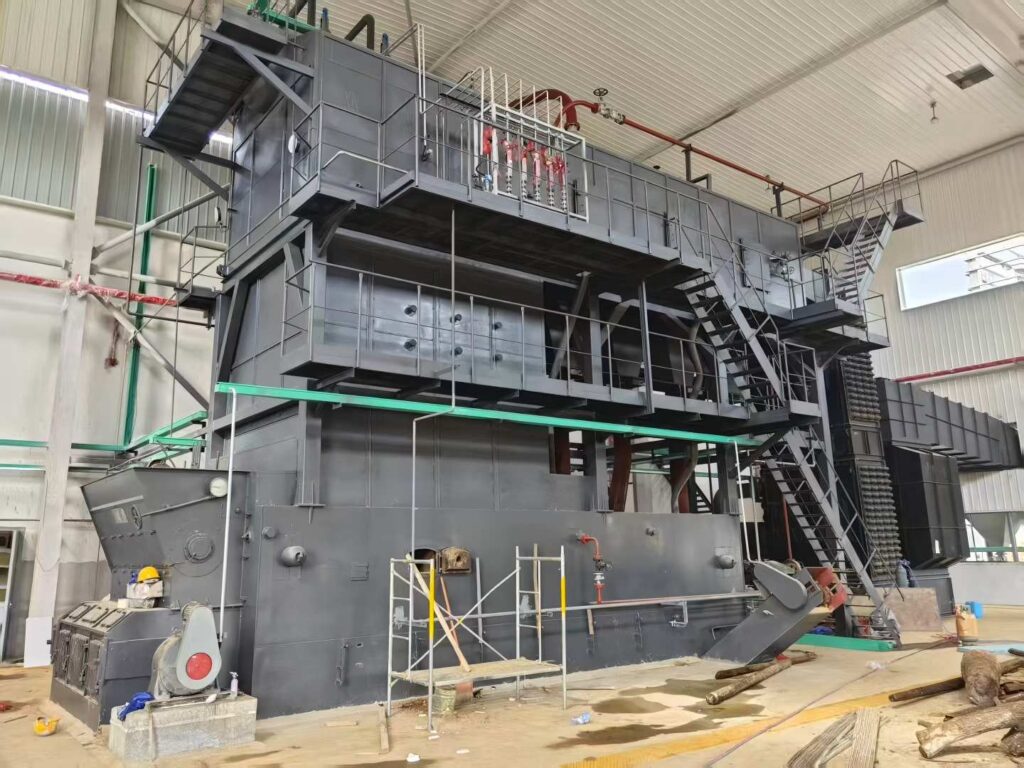
- The Challenge: High operational costs due to expensive natural gas in the region.
- The Solution: SZL 15-Ton Biomass Fired Boiler using local agricultural waste (pellets) as fuel.
- The Result: Fuel costs slashed by 45%. The client achieved a full ROI (Return on Investment) in just 10 months.
- Status: Certified with GOST-K and operating at full capacity.
Southeast Asia Pharmaceutical Cleaning & Sterilization Line
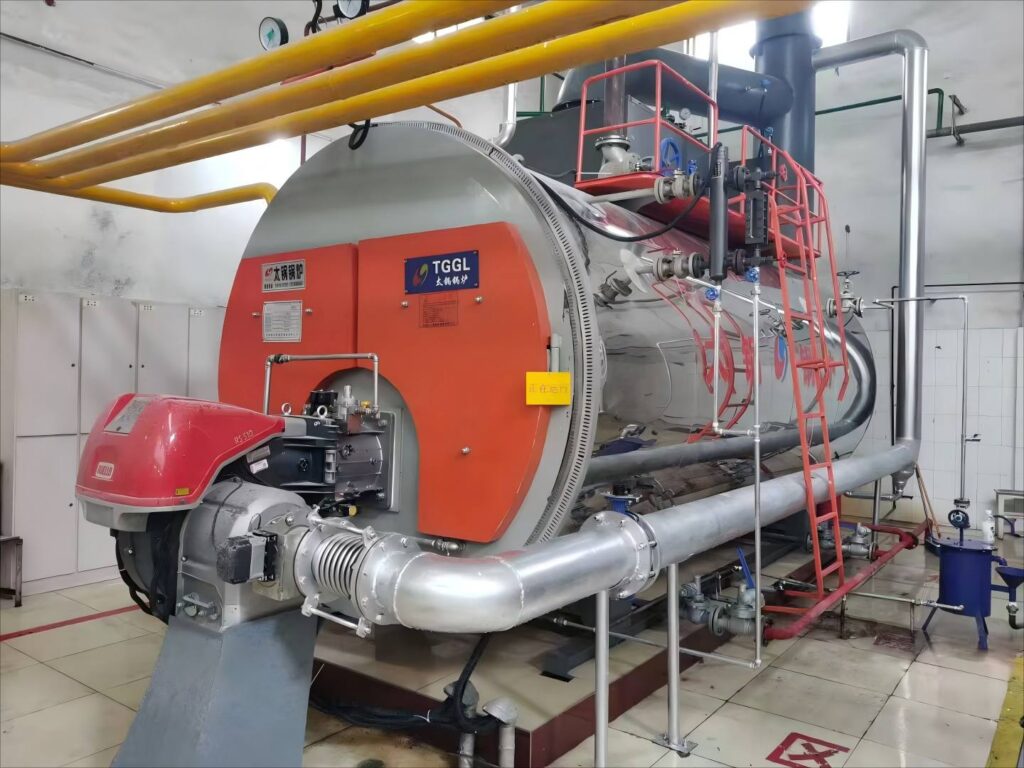
- The Challenge: Requirement for high-purity, clean steam for CIP (Clean-in-Place) systems.
- The Solution: WNS 2-Ton Gas Boiler with a full stainless steel feedwater system and advanced deaeration.
- The Result: Zero batch contamination recorded. Fully compliant with local hygiene and safety standards.
FAQ – Chemical Industry Boiler
Can your Chemical Industry Boiler handle corrosive chemical environments?
Yes. We use specialized internal coatings and stainless steel auxiliary components to resist corrosion from chemical fumes and poor water quality.
Do you provide installation in Uzbekistan or SE Asia?
Absolutely. We provide on-site commissioning, staff training, and full GOST-certified documentation for local clearance for our Steam Boiler for Chemical Industry.
What type of boiler is best for chemical plants?
Gas steam boilers are most common due to efficiency and clean combustion.
How to reduce boiler fuel consumption?
Improve insulation
Use economizers
Upgrade burner system
What is the typical boiler capacity for chemical plants?
Usually ranges from 2 ton to 20 ton depending on production scale.
Why is thermal oil preferred over steam for resin synthesis?
Synthetic resin production requires temperatures between 200°C and 280°C. Generating steam at these temperatures requires high working pressures (exceeding 6.0 MPa), requiring heavy-walled pressure vessels and piping. Thermal oil delivers these temperatures under low operating pressures (0.6–1.0 MPa), enhancing plant safety.
Can a chemical boiler operate integrated with our plant DCS?
Yes. Modern boiler PLC panels support standard industrial communication protocols such as Modbus TCP/IP, Profinet, and Ethernet/IP, providing bidirectional monitoring and control from the central control room.
What water quality is required for high-pressure chemical steam boilers?
High-pressure boilers require demineralized or reverse-osmosis (RO) treated feedwater with low dissolved oxygen (via thermal deaeration), near-zero total dissolved solids (TDS), and regulated pH levels to prevent scaling and caustic gouging.
When should explosion-proof boiler equipment be specified?
If the boiler or auxiliary fuel equipment is located inside a designated hazardous process area containing flammable vapors or combustible dusts, explosion-proof motors, switches, and junction boxes must be installed according to local ATEX or IECEx zoning regulations.
Get Your Chemical Boiler Solution Today
Confused by technical specs? Let our engineers design your steam system.
- ✔ Free Boiler Capacity Calculation
- ✔ Fuel Cost & ROI Analysis
- ✔ Custom Explosion-Proof Designs