
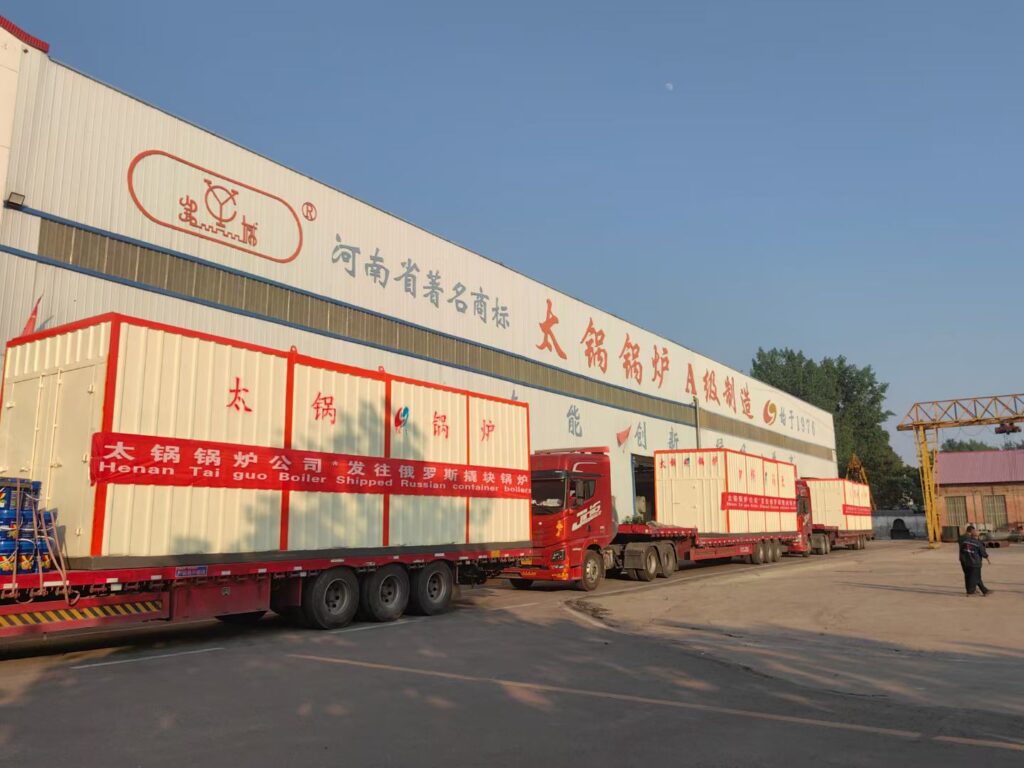
Optimizing the “Farm-to-Fork” Chain: Strategic Steam Engineering & Efficiency for Uzbekistan’s Food Industry
As of April 2026, Uzbekistan’s food and beverage sector has reached a historic milestone, now accounting for 20.1% of the national industrial output. Following the Presidential Decree of January 15, 2026, which allocated $264 million for nationwide energy efficiency modernization, the role of the Steam Boiler for Food Industry in Uzbekistan has evolved. In the context of the “New Uzbekistan” 2026-2030 export strategy,Uzbekistan’s strategic thermal energy landscape steam is no longer a utility—it is a critical factor in global food safety compliance (HACCP/ISO 22000) and regional fiscal profitability.
At Henan Taiguo Boiler, we provide the Uzbek food industry—from the massive fruit processing clusters in Samarkand to the modern dairy facilities in Tashkent—with “Clean-Steam” technology. This Steam Boiler for Food Industry in Uzbekistan exhaustive covers the technical metallurgy, fuel economics, and regulatory engineering required to run a world-class food plant in Central Asia.
1. Steam Boiler for Food Industry in Uzbekistan 2026 Market Dynamics: Why Modernization is Mandatory
The Uzbek food industry is undergoing a structural transition from domestic supply to high-value international exports (targeting the EU, UAE, and China). This shift is driven by two major 2026 policy levers that every factory director must understand:
A. GEFF II & The 10% Investment Incentive (Cash-Back)
Under the Green Economy Financing Facility (GEFF) II, backed by the EBRD and local Uzbek banks like Hamkorbank or Ipak Yuli, food processors investing in high-efficiency thermal systems (efficiency >95%) are eligible for a 10% cash-back grant.
- Taiguo’s Compliance: Our 2026 WNS Steam Boiler for Food Industry in Uzbekistan models, achieving 104% efficiency via integrated condensing technology, are pre-vetted for these funds. This effectively reduces your upfront capital expenditure (CAPEX) by thousands of dollars, a benefit that “B-Class” local boilers cannot offer.
B. Mandatory HACCP & Clean-Steam Standards of Steam Boiler for Food Industry in Uzbekistan
To enter the global market, Uzbek horticultural and dairy products must pass rigorous audits. “Wet steam” or chemical carryover from legacy Steam Boiler for Food Industry in Uzbekistan can introduce boiler water impurities into the product.
- The Taiguo Difference: Our Steam Boiler for Food Industry in Uzbekistan focus on 99.5% steam dryness. We utilize multi-stage cyclonic separators to ensure that the steam in direct contact with your fruit puree or pasteurized milk is as pure as the ingredient water used in the recipe.
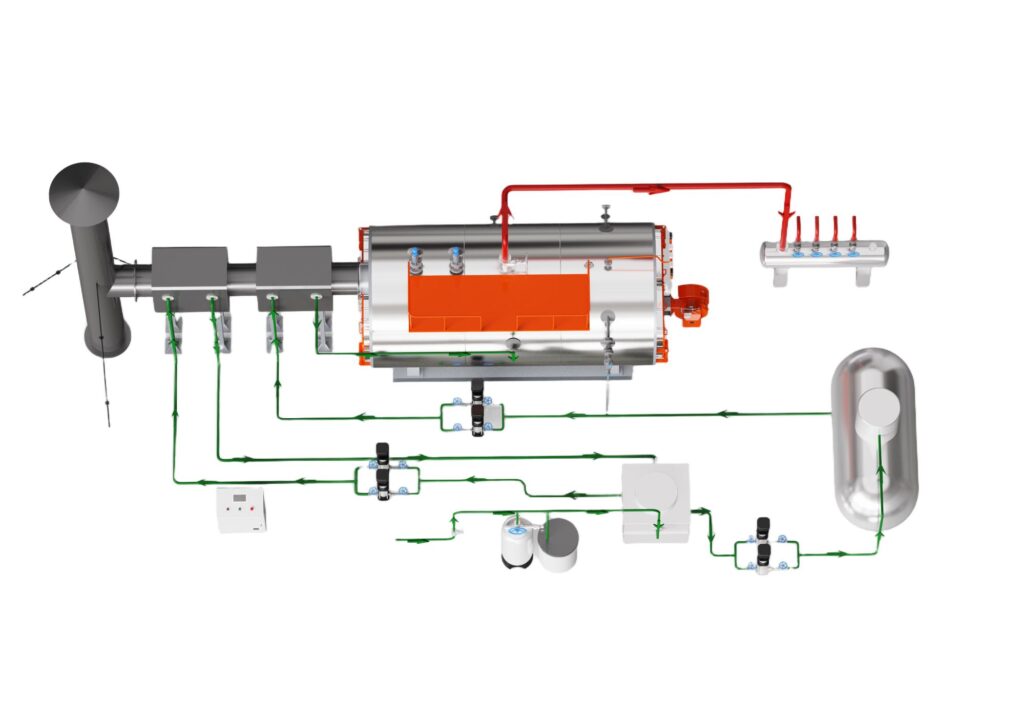
2. Regional Energy Map: Food Industry Hubs in Uzbekistan
Selecting a Steam Boiler for Food Industry in Uzbekistan requires an understanding of the specific infrastructure challenges across Uzbekistan’s 12 administrative regions.
- Tashkent & Samarkand (Dairy, Beverage & Confectionery): These regions host the largest concentration of international joint ventures. The municipal gas grids here are relatively stable, but environmental scrutiny is the highest in the country.
- Strategic Advice: We recommend our WNS Ultra-Low NOx (<30mg) Steam Boiler for Food Industry in Uzbekistan here. Following Resolution No. 66 (Feb 2026), urban “Green Zones” in Tashkent will begin enforcing strict emission penalties. Our FGR (Flue Gas Recirculation) burners ensure your factory passes these audits on the first attempt.
- The Fergana Valley (Namangan, Andijan – The Fruit Orchard): This region faces unique seasonal challenges. During the peak harvest season (late summer to autumn), steam demand is at its maximum, yet municipal gas pressure can occasionally fluctuate.
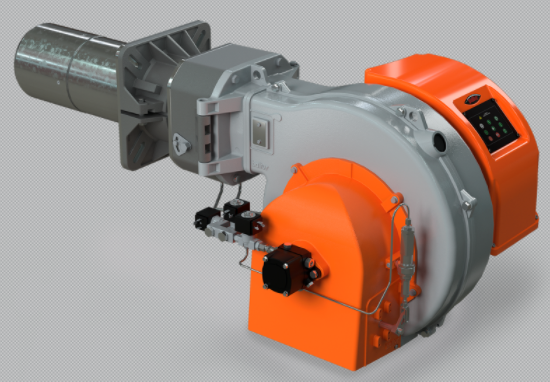
- Strategic Advice: For large canning plants in Namangan, we provide Steam Boiler for Food Industry in Uzbekistan Dual-Fuel (Gas/Oil) Burners. This allows a seamless switch to light diesel in case of gas line maintenance, ensuring your 24/7 sterilization cycle never stops—a critical fail-safe when processing perishable crops.
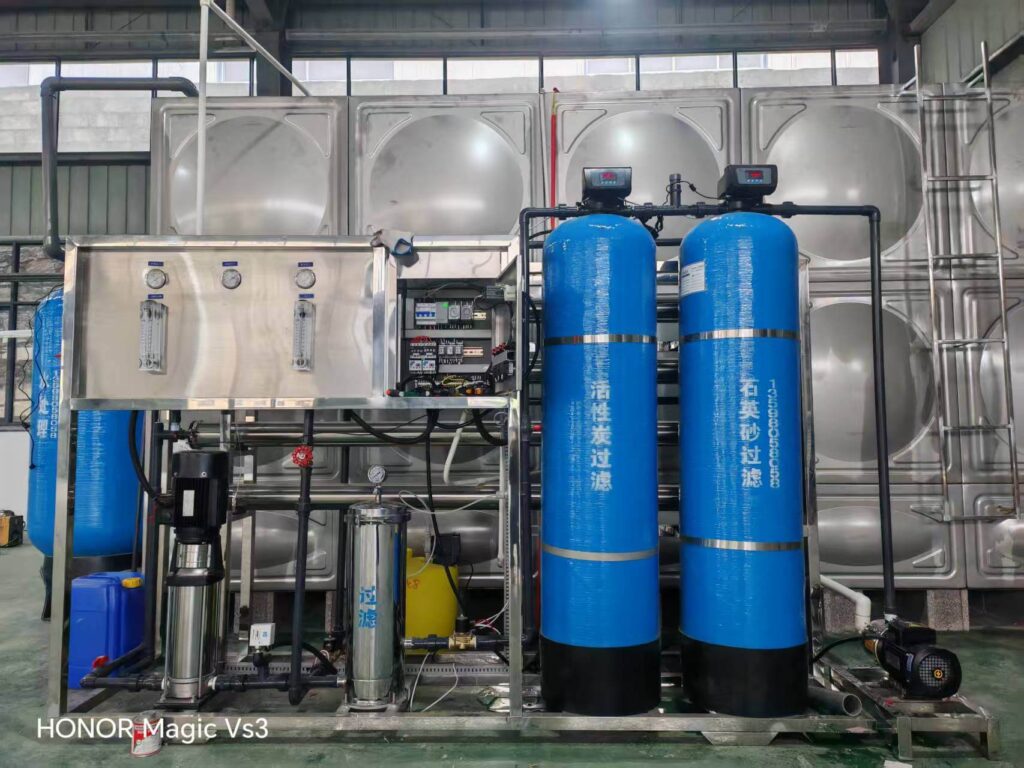
- Syrdarya & Jizzakh (The Water Stress Challenge): Groundwater in these regions is notorious for its high mineral content (Calcium and Magnesium). A standard single-tank water softener is insufficient for long-term boiler health here.
- Strategic Advice: We provide Dual-Stage Reverse Osmosis (RO) systems specifically for these regions. This prevents the rapid scale accumulation that often leads to “hot spots” and tube failure in legacy Soviet-era boilers.
- Karakalpakstan & Khorezm (Extreme Heat & Arid Logistics): Ambient temperatures in summer can exceed +45degree, affecting the efficiency of air-intake for burners of Steam Boiler for Food Industry in Uzbekistan.
- Strategic Advice: Taiguo boilers for the western regions are equipped with High-Ambient Cooling Packages for the control panels and specialized intake filtration to protect the burner from desert dust.
3. Taiguo A-Class Standards: Metallurgy & Food Safety
We do not just build “pressure vessels”; we build food-grade thermal infrastructure.
A. Q245R Steam Boiler for Food Industry in Uzbekistan Steel vs. Ordinary Construction Steel
The integrity of the Steam Boiler for Food Industry in Uzbekistan shell is the primary safety barrier in your plant.
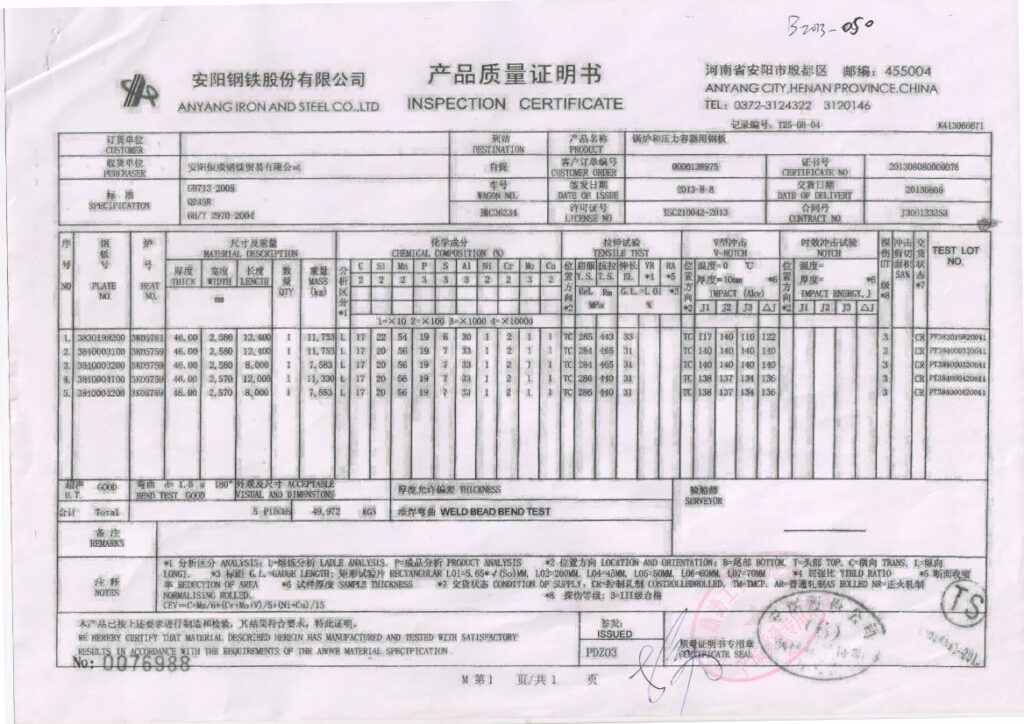
- The Science: Ordinary steel (like Q235) lacks the carbon-manganese balance required for high-temperature pressure cycles. We exclusively use Q245R (GB713) boiler-grade steel.
- The Benefit: Q245R offers superior yield strength at high temperatures. In the humid environment of a food processing hall, this steel, combined with our triple-layer epoxy anti-corrosion coating, prevents external rust and ensures a 25-year structural lifespan.
B. Stainless Steel Integration for “Pure Steam”
For high-hygiene applications (Infant formula, UHT milk), even microscopic traces of iron oxide are unacceptable.
- The Solution: Taiguo offers optional SUS304 Stainless Steel internal piping and feedwater tanks. By eliminating carbon steel from the post-treatment water line, we ensure the steam quality meets the highest pharmaceutical-grade food standards .
4. The Economic Logic: ROI & Energy Savings in Sum (UZS)
In 2026, the ROI of a boiler is calculated by Total Cost of Ownership (TCO).
| Performance Metric | Legacy Boiler (pre-1990) | Taiguo WNS (2026) | Annual Financial Impact |
| Thermal Efficiency | 78% | 104% (Condensing) | $18,500 Saved |
| Steam Dryness | 91% | 99.5% | 4% Less Product Spoilage |
| Automation Level | Manual | Siemens PLC (IoT) | $6,000 Labor Savings |
| Maintenance Cycle | Every 3 Months | Annual Inspection | $3,000 Savings |
Payback Projection: For a 6-ton juice concentration plant in Samarkand, the capital investment is recovered within 13.5 months. This includes the fuel savings and the 10% GEFF grant incentive.
5. Uzbekistan Special: Boiler Room SOPs & Winter Maintenance
To maintain peak efficiency in Central Asian conditions, your staff must follow specific 2026 maintenance protocols.
A. Winter “Anti-Freeze” for Continuous Sterilization
In regions like Navoi or Jizzakh, winter temperatures can plummet to -25degree. If the Steam Boiler for Food Industry in Uzbekistan is shut down for maintenance without proper draining, the residual water in the sensor lines, pumps, and gauges will freeze and burst.
- The Protocol: Taiguo provides Automatic Heat-Tracing for all critical sensor points. We recommend maintaining the “Low-Fire” standby mode or using our automated “Warm-Keep” circulation system to prevent ice formation in the feed-water lines.
B. Managing “White Gold” Mineral Buildup (Scaling)
Uzbekistan’s groundwater is heavy with minerals. A 1mm layer of scale on the tubes creates a 10% jump in fuel bills and increases the risk of metal overheating.
- The Protocol: Our 2026 models feature Automatic Continuous Blowdown (TDS Control). This system monitors water conductivity every 15 minutes. If mineral levels exceed the threshold, the system automatically flushes the concentrated water and replaces it with fresh treated water, ensuring the boiler remains “Scale-Free” without manual intervention.
C. Burner Calibration for Gas Fluctuations
In peak winter, municipal gas pressure can drop. If the burner is not calibrated for low-pressure, it will experience “flame-out” errors.
- The Protocol: Taiguo’s Siemens-PLC systems allow for remote adjustment of the air-fuel ratio. If pressure drops, our engineers in Tashkent or China can assist your team via a secure 4G/5G gateway to stabilize the flame.
FAQ: The Food Industry Specialist
Can we apply for the GEFF II 10% cashback for a Taiguo Boiler?
Yes. Our high-efficiency condensing boilers exceed the 95% efficiency threshold required by the EBRD and local Uzbek banks (e.g., Hamkorbank) for GEFF II grant eligibility.
Contact our Tashkent team to get your customized Energy Audit Report for the grant application.
Is the “Wet-Back” design of Steam Boiler for Food Industry in Uzbekistan safer for food processing plants?
Absolutely. The Wet-Back design eliminates fragile refractory bricks . In a food plant, refractory dust is a major contaminant risk; our design removes this risk entirely while increasing heat absorption area.
How does steam dryness affect “Sterilization Kill-Rate”?
Wet steam contains water droplets that act as insulators, preventing the steam from reaching its full thermal potential. Taiguo’s 99.5% Dry Steam ensures rapid, uniform heating in retorts, achieving a 100% kill-rate for pathogens like Clostridium botulinum.
CTA: Secure Your 2026 Food Industry ROI
Don’t let legacy energy systems and poor steam quality cap your export potential. Join the 50+ Uzbek food processors already powered by Taiguo. Get your customized project layout, fuel cost analysis, and GEFF grant eligibility report today.
- WhatsApp: Chat with our Food Industry Project Lead Now
Looking for more details about industrial laundry steam systems for high-hygiene food plants and steam energy for export-grade food packaging production