Maximizing Operational Efficiency with WNS Series Gas & Oil Fired Steam Boilers
Contents Hide 1 Introduction: Maximizing Efficiency of WNS Series Gas & Oil Fired Steam Boilers 2 Factors Affecting WNS Series Gas & Oil Fired Steam Boilers Operational Efficiency 2.1 WNS Thermal Efficiency 2.2 1. Combustion Efficiency and Excess Air 2.3 2. Heat Transfer Performance and Surface Fouling 2.4 3. Steam Pressure Control and Load Matching […]
Get Instant Quote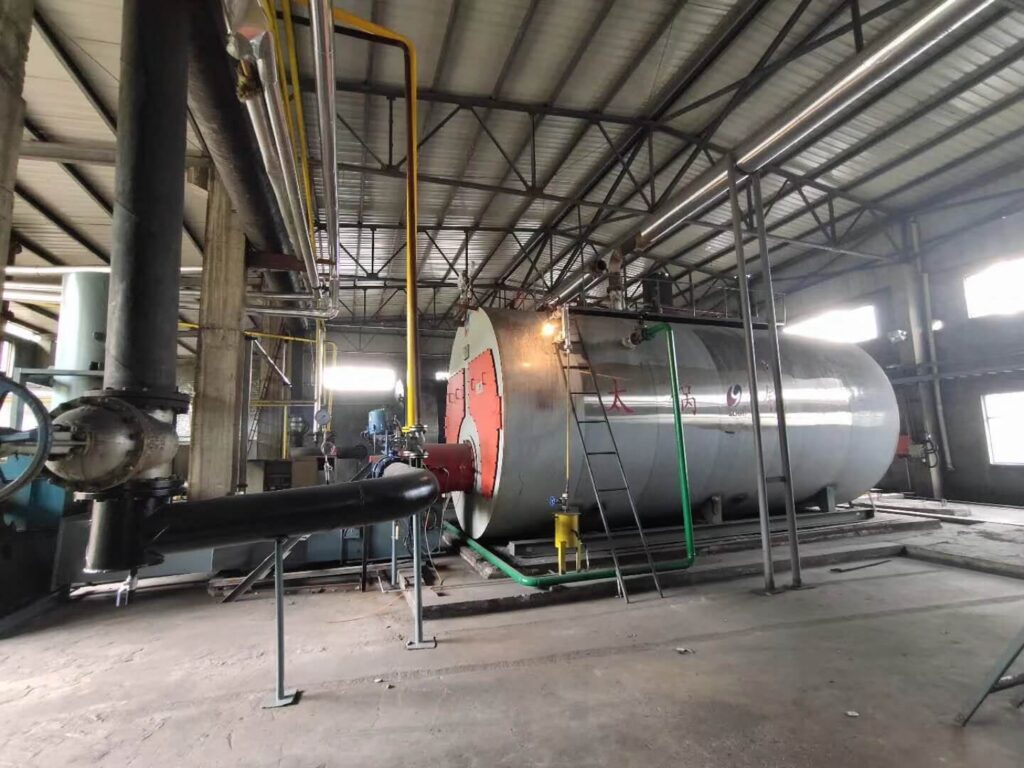
Technical Specifications
Introduction: Maximizing Efficiency of WNS Series Gas & Oil Fired Steam Boilers
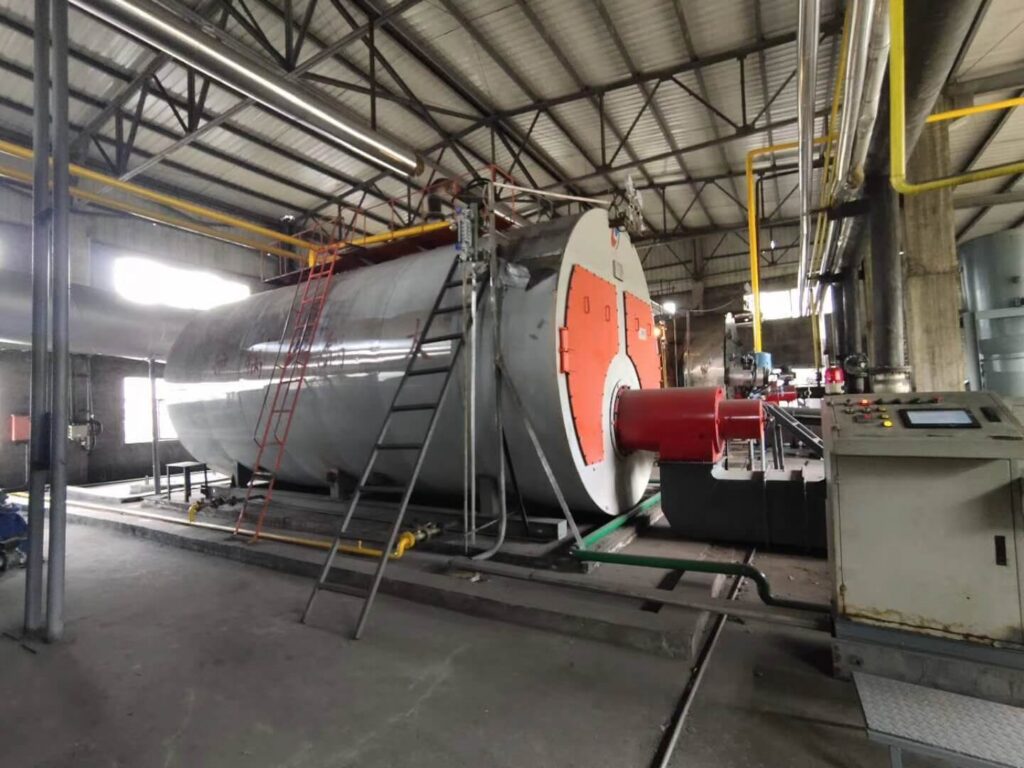
Today, the WNS Series Gas & Oil Fired Steam Boilers is highly popular in industrial manufacturing. Global plants prefer this design because of its stable operation, compact structure, and flexible fuel options. From textile mills in Southeast Asia to food processing plants in Latin America, this horizontal internal-combustion three-pass fire-tube boiler serves as the primary thermal heartbeat of production lines.
However, achieving maximum boiler efficiency improvement depends on more than just basic equipment selection. Simply purchasing a premium boiler does not guarantee low operating costs. Indeed, factory operators must optimize combustion control, heat recovery, water treatment, and daily maintenance practices.
When a factory neglects these operational areas, thermal efficiency can quickly drop from a design rating of 95% down to 80% or lower. This thermal drop represents thousands of dollars in wasted fuel every month.
This technical insight explains how industrial enterprises can successfully improve the operational efficiency of their WNS steam boilers. Furthermore, we highlight practical engineering steps to lower your monthly fuel costs, minimize flue gas emissions, and extend your equipment lifecycles.
Factors Affecting WNS Series Gas & Oil Fired Steam Boilers Operational Efficiency
Several critical operational factors directly influence the thermal efficiency of your WNS steam boiler. Understanding these factors allows plant managers to target energy losses systematically.
WNS Thermal Efficiency
Controls excess air to eliminate fuel waste.
Prevents tube fouling to maintain heat exchange.
Reduces fuel spikes from load fluctuations.
Minimizes blowdown heat loss and corrosion.
1. Combustion Efficiency and Excess Air
First, the boiler burner must maintain the optimum air-fuel ratio. To burn fuel completely, the system requires oxygen. However, introducing too much excess air lowers efficiency because the cold incoming air absorbs combustion heat and carries it out through the chimney. Conversely, insufficient air leads to incomplete combustion. This incomplete process produces black smoke, carbon monoxide, and unburned fuel deposits, which rapidly foul heating surfaces.
2. Heat Transfer Performance and Surface Fouling
Second, clean heat transfer surfaces ensure optimal heat exchange. In a WNS boiler, heat transfers from the hot flue gas through the steel tube walls into the surrounding boiler water.
If soot accumulates on the gas side, or if water scale deposits on the water side, heat transfer performance drops immediately. Even a thin 1 mm layer of calcium scale can increase fuel consumption by up to 5% because the burner must fire longer to heat the water through the scale barrier.
3. Steam Pressure Control and Load Matching
Additionally, fluctuating steam pressure forces the boiler to work harder. When steam demand fluctuates rapidly, the burner must constantly cycle between high and low firing rates. This thermal cycling wastes fuel during purging sequences and causes unnecessary thermal stress. Operating the boiler close to its design pressure limits thermal losses and helps downstream production machinery run efficiently.
4. Water Quality Management and Blowdown Rates
Furthermore, professional feed water treatment prevents dangerous scale buildup. To control the concentration of dissolved solids in the boiler water, operators must perform blowdown. This process discharges highly concentrated hot water from the bottom of the drum.
If the feed water quality is poor, the required blowdown rate increases. Consequently, venting more hot water means losing precious thermal energy that you have already paid to heat.
5. Operating Management and Thermal Standby Losses
Finally, correct startup, shutdown, and load-matching practices protect the system. When multiple boilers run at low, inefficient loads instead of one boiler running at an optimized high load, standby thermal losses multiply. Proper operation management ensures that boilers operate within their peak efficiency curves.
How WNS Series Gas & Oil Fired Steam Boilers Combustion Technology Improves Efficiency
The combustion system serves as the most important driver of overall WNS boiler efficiency. Modern WNS boilers utilize advanced engineering designs to optimize fuel combustion and capture every possible unit of thermal energy.
Advanced Burner Control and Oxygen Trim
Modern burners do not rely on fixed mechanical linkages. Instead, they utilize electronic fuel-air ratio controls. Advanced systems feature oxygen trim technology, where a flue gas sensor continuously measures the residual oxygen in the exhaust. The PLC system then fine-tunes the air damper in real-time. This digital precision maintains combustion stability across varying steam loads, keeping excess air to an absolute minimum.
Optimized Corrugated Furnace Design
Next, the WNS boiler features a large, corrugated furnace chamber as its first pass. The corrugated profile serves two critical purposes:
- It increases the total heat absorption surface area by up to 30% compared to smooth tubes.
- It accommodates the thermal expansion of the hot flame, reducing stress on the tube sheets.
This generous heating surface area prevents high-temperature heat loss and ensures that the flame burns completely without touching the cold tube walls.
Three-Pass Wet-Back Heat Transfer Technology
Additionally, hot flue gases travel through three distinct passes. The “wet-back” design means the rear smoke turnaround chamber is completely surrounded by boiler water.
Unlike older “dry-back” boilers that use heavy refractory brick baffles at the back, wet-back boilers eliminate heat radiation losses from the rear door. This layout maximizes thermal transfer, directing more heat into the water before the gases exit the system.
Intelligent Control Systems and Variable Frequency Drives
Lastly, the integrated PLC automated system constantly monitors steam demand. By utilizing Variable Frequency Drives (VFD) on the combustion air fan and feed water pumps, the boiler adjusts its electrical consumption dynamically. Running a fan motor at 80% speed using a VFD consumes significantly less electricity than running a fixed-speed motor throttled by a damper.
Heat Recovery Technology for WNS Series Gas & Oil Fired Steam Boilers
Integrating waste heat recovery is a highly effective method to boost WNS boiler efficiency beyond standard design limits. Our factory engineers recommend three primary recovery solutions.
Economizer integration
First, installing a finned-tube economizer at the flue gas outlet captures heat from the hot exhaust gas. Typically, exhaust temperatures leave the third pass at around 200°C to 250°C.
By passing this hot gas through an economizer, we can preheat the incoming boiler feed water from 20°C up to 80°C. Since the water enters the boiler drum much hotter, the burner requires significantly less fuel to convert that water into high-pressure steam.
Condensing Heat Exchangers
Second, specialized condensing heat exchangers capture latent heat from water vapor. When burning natural gas, the exhaust gas contains a high percentage of water vapor.
By lowering the exhaust gas temperature below its dew point (around 55°C), this vapor condenses into liquid water. This condensation process releases massive amounts of latent heat, which we capture to heat cold makeup water. This technology extra-boosts overall thermal efficiency, sometimes pushing calculated thermal efficiency past 100% (based on lower heating value measurements).
High-Density Boiler Body Insulation
Additionally, high-density aluminum silicate insulation wraps the boiler shell, front doors, and rear smoke box. This industrial-grade insulation layer minimizes radiant heat loss into the boiler room. The outer cladding remains cool to the touch, which improves operator safety and preserves internal thermal energy.
Ultimately, these combined technologies significantly reduce fuel consumption and optimize your overall factory energy balance.
WNS Series Gas & Oil Fired Steam Boilers Efficiency Optimization Through Proper Operation
Even a premium boiler requires proper daily operation management to maintain its high-efficiency ratings. Plant managers should implement structured standard operating procedures (SOPs) to prevent gradual efficiency decline.
We advise your technical team to practice these recommended operational habits:
- Monitor daily fuel and water consumption metrics: A sudden spike in fuel consumption relative to steam output indicates internal scaling or burner misalignment.
- Maintain the manufacturer-recommended operating steam pressure: Running a boiler at excessively low pressures can cause steam carryover, where water droplets enter the steam lines, reducing downstream heating efficiency.
- Check burner air-fuel settings during seasonal fuel changes: Variations in ambient air temperature and humidity affect air density. Thus, technicians should recalibrate burners to maintain the optimal air-fuel ratio.
- Inspect the furnace interior regularly for soot accumulation: If your WNS boiler burns heavy oil or diesel, check the tube interiors. Even a 0.5 mm layer of soot acts as an insulator, driving up exhaust temperatures and wasting fuel.
- Schedule routine maintenance for safety valves and steam traps: Leaking steam traps represent a massive source of energy loss. Regular ultrasonic testing of steam traps ensures that only condensate drains, while valuable steam remains locked in the process.
Consistent, proactive monitoring helps factories quickly identify energy leaks and maintain reliable steam outputs.
Traditional Operation vs Optimized WNS Series Gas & Oil Fired Steam Boilers Operation
Review this detailed comparison to see how modern optimized practices outperform older, traditional boiler operations:
| Operating Factor | Traditional Operation | Optimized WNS Operation |
| Fuel Control | Manual valve adjustment or basic high/low firing. | Automatic PLC oxygen trim control with modulating burners. |
| Combustion Stability | Highly variable, affected by changing air density. | Constantly optimized air-fuel ratio via automated sensors. |
| Heat Recovery | Limited or no heat recovery; high stack temperatures. | Condensing economizer integration; low stack temperatures (<60°C). |
| Water Treatment | Basic manual softening; irregular chemical dosing. | Automated continuous blowdown and automated water softeners. |
| Maintenance Plan | Reactive (Fix after breakdown or blockages occur). | Preventive (Scheduled routine checks and thermal imaging). |
| Blowdown Loss | High thermal loss due to manual, excessive blowdown. | Minimized thermal loss via automated TDS sensor blowdown. |
| Efficiency Output | Unstable, often dropping to 80% over time. | Stable, sustained performance between 95% and 99%. |
Industrial Applications of WNS Series Gas & Oil Fired Steam Boilers
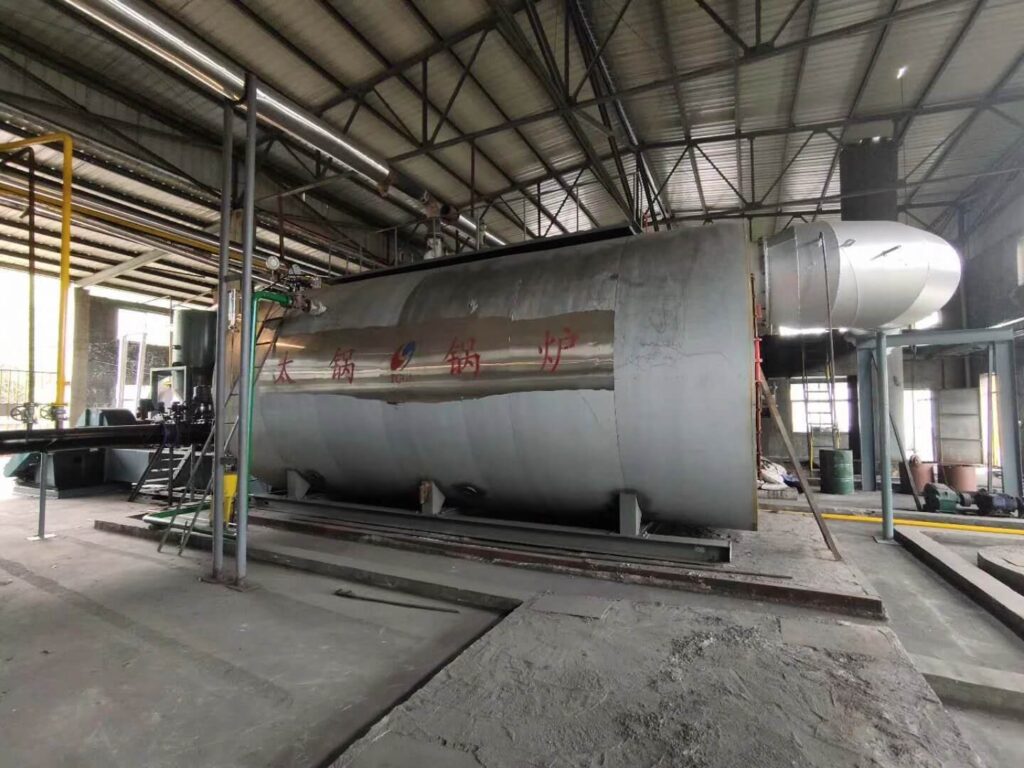
Our high-efficiency WNS Series Gas & Oil Fired Steam Boilers provide reliable process steam for several demanding manufacturing sectors, helping them lower their carbon footprint.
Textile Industry
Textile factories require vast volumes of stable steam for fabric dyeing, high-temperature drying, and finishing. Fluctuations in steam pressure can ruin fabric dye consistency. Therefore, our WNS boilers deliver high-dryness steam to ensure perfect product quality.
- Explore our dedicated Textile Boiler Solution.
Food Processing
Food plants utilize clean steam for ingredient cooking, packaging sterilization, retort processing, and general facility sanitation. Our boilers integrate easily with clean steam generators to meet strict food safety standards.
- Explore our dedicated Food Processing Boiler Solution.
Chemical Industry
Chemical facilities rely on precise steam temperatures to heat jacketed reactors, drive safe chemical reactions, and dry chemical powders. WNS boilers provide the quick-response load-following capabilities required for batch chemical processing.
- Explore our dedicated Chemical Industry Boiler Solution.
Beverage Industry
Beverage plants require consistent steam pressure for thermal pasteurization, bottle washing, and clean-in-place (CIP) sterilization loops. Our high-efficiency boilers ensure that thermal processing lines never experience energy starvation.
Pharmaceutical Industry
Pharmaceutical manufacturers demand clean, high-purity steam for sterile production lines, autoclave sterilization, and packaging processes. Our automated WNS systems integrate with water treatment plants to guarantee high-quality steam.
Engineering Factors for Efficient WNS Boiler Systems
Achieving maximum system efficiency requires professional engineering planning before the boiler arrives at your facility. A boiler does not operate in isolation; it functions as the heart of a complex steam loop.
Our technical team evaluates these critical engineering factors:
- Calculating actual peak steam demand: We perform detailed load profiling to prevent the fuel waste associated with oversized boilers operating at low, inefficient capacities.
- Optimizing the boiler room layout: Short, well-insulated pipe runs minimize radiant heat losses and pressure drops between the boiler and the main steam header.
- Designing reliable fuel supply pipelines: Correct gas pressure regulation and oil preheating systems ensure clean, smokeless atomization at the burner nozzle.
- Configuring high-efficiency water treatment: Deaerators remove dissolved oxygen from feed water, protecting the internal boiler tubes from pitting corrosion.
- Designing condensate recovery systems: Returning hot condensate to the boiler room saves massive amounts of water, water treatment chemicals, and thermal energy.
Professional system engineering ensures low operating costs, low environmental impact, and high safety margins for your factory.
- Visit our Engineering Hub to review our design criteria.
- Discover our custom System Optimization services.
Example: Improving Factory Steam System Performance
In real-world industrial projects, factories achieve maximum efficiency through a combination of smart engineering steps rather than a single equipment purchase.
First, we assist clients in selecting the exact boiler capacity. This prevents the fuel waste associated with over-sized boilers operating under light, inefficient loads. Our engineers analyze the factory’s production schedules to size the steam system perfectly.
Next, our technicians calibrate the low-NOx burner to match local gas pressure and altitude conditions. We set up electronic combustion controls to maintain optimal oxygen levels across the entire modulation range.
Then, we integrate a tail-end condensing economizer. This system captures valuable thermal energy from the flue gas that would otherwise escape through the chimney, using it to heat the feed water.
Finally, we install automated water quality monitoring systems and train local operators on daily maintenance checks. This training prevents efficiency-robbing scale accumulation on the boiler tubes, ensuring the WNS steam boiler operates at peak performance for years to come.
FAQ
What is the benefit of the large combustion chamber in the WNS series?
The corrugated furnace design of the WNS Series Gas & Oil Fired Steam Boilers increases the heat transfer area and allows for unrestricted thermal expansion. This ensures complete fuel combustion and reduces the concentration of flame-point heat, protecting the furnace walls.
Can the WNS series switch between gas and oil fuel seamlessly?
Yes. When equipped with a dual-fuel burner, the system can switch sources based on current market prices or fuel availability without requiring mechanical modifications to the boiler shell.
What safety features are standard in these boilers?
Our WNS Series Gas & Oil Fired Steam Boilers include multi-level interlocks for over-pressure protection, ultra-high temperature cut-offs, and dual water-level sensors to ensure safe operation under all industrial load conditions.
Elevate Your Factory’s Thermal Efficiency Today
With 97+ successful project cases across the globe, Kim and the Taiguo engineering team are ready to provide a customized steam solution tailored to your local fuel costs and emission standards.
- WhatsApp: 8615093412637
- Direct Inquiry Email:kimjin2018@cnmiracletrade.com
Review deep-level thermodynamic calculation spreadsheets by checking our boiler technology insights.
Investigate complete heavy-duty double-skid horizontal structures within WNS Series Gas & Oil Fired Steam Boilers: The Gold Standard for Industrial Efficiency.
Track real-time intelligent modulation burner matching frameworks inside Industrial Boiler Market Surges: High Efficiency, Ultra-Low NOx, and IoT Lead 2026 Trends.