
Accurately computing industrial thermal loads requires rigorous mathematical validation. A professional steam system calculation is vital for correct boiler sizing, precise fuel consumption forecasting, and optimal plant efficiency.
As an established industrial boiler manufacturer, our overseas infrastructure division specializes in advanced Steam System Calculation. We execute precise mass-flow auditing, compute line friction losses, and verify peak enthalpy variations to secure your factory energy network.
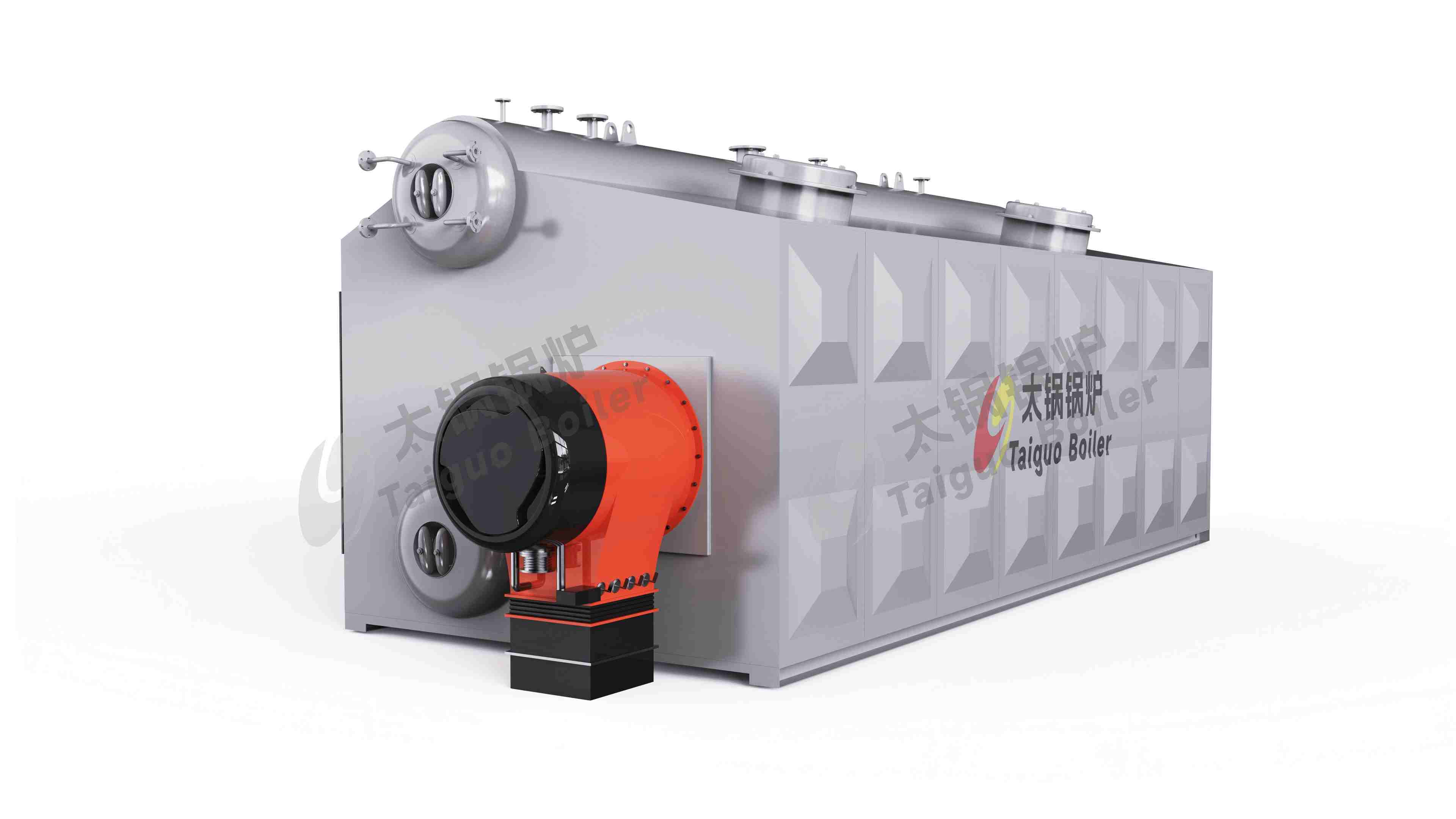
Industrial Applications & Industry Scenarios
Our engineering division customizes mass-flow equations and enthalpy calculations based on distinct factory operational profiles:
- Textile Processing: Calculates peak mass-flow steam consumption indexes during sudden, simultaneous dye-vat filling procedures.
- Food Sterilization: Precise thermal balancing to maintain constant saturated steam temperatures across multi-stage autoclave processing lines.
- Chemical Distillation: Calculates exact enthalpy parameters required to sustain endothermic chemical reaction steps inside jacketed vessels.
- Paper Drying: Advanced fluid dynamic modeling to compute friction head losses across massive drying cylinder batteries.
- Laundry Washing: Computes precise flash steam generation metrics to optimize heat-exchanger capacity and reduce fuel expenses.
Key Principles of Industrial Steam System Calculation
Our engineering team executes every project based on four foundational parameters:
Peak Mass-Flow Analysis For Steam System Calculation
Industrial manufacturing processes frequently trigger sudden, severe steam demand spikes. We analyze your plant operating schedule to calculate accurate peak mass-flow requirements. This detailed profiling prevents sudden header pressure drops and ensures stable steam delivery to your lines.
Enthalpy and Quality Verification For Steam System Calculation
Saturated steam loses thermal energy as it travels across long factory pipelines. We compute precise thermodynamic enthalpy changes to evaluate total heat delivery capacity. This mathematical modeling guarantees high-quality dry steam arrives consistently at your terminal equipment.
Hydraulic Pipe Friction Sizing For Steam System Calculation
Steam traveling through metallic pipes suffers unavoidable pressure drops due to fluid friction. We calculate exact pipe internal diameters using advanced fluid dynamic formulas. This precise sizing maintains optimal line velocities and prevents premature pipe wear.
Safety Escape Routes For Steam System Calculation
Our blueprints incorporate a dual-exit architecture into every facility design. We guarantee completely unblocked emergency egress routes. These dedicated pathways allow operators to evacuate the thermal plant instantly during critical plant emergencies.
Engineering Steam System Calculation Parameters & Standards
We strictly adhere to international engineering benchmarks to ensure absolute operational safety and maximum thermal efficiency:
- Safety Safety Margins: We integrate a baseline sizing safety margin of 10% to 15% above normal average load.
- Max Velocity Limits: We cap calculated saturated steam pipe velocities at a maximum of 35m/s.
- Header Condensate Rate: We compute structural drip leg volumes assuming a continuous condensation rate safety factor of ≥2.
- Compliance Standards: Every mechanical calculation fully complies with international ASME Section I and ASME B31.1 guidelines.
Boiler Capacity and Sizing Strategies-Steam System Calculation
Selecting the correct thermal output rating requires balancing baseline consumption against sudden factory load changes:
- Connected Load Totals: We tally every individual piece of steam-consuming equipment to establish your total connected plant load.
- Diversity Factor Evaluation: Our engineers apply precise mathematical diversity factors to account for non-simultaneous machinery operations.
- Flash Steam Recovery: We calculate potential flash steam generation from high-pressure blowdown lines to reclaim usable thermal energy.
Fuel and Auxiliary System Layout- Steam System Calculation
We separate high-voltage electrical cabinets from fuel supply lines to eliminate hazardous ignition risks. Auxiliary machinery undergoes strategic positioning to maximize thermal efficiency:
- Water Treatment System: Positioned close to the raw water intake to minimize supply piping friction.
- Feedwater Tank & Deaerator: Elevated above the feedwater pumps to prevent pump cavitation via positive suction head.
- Blowdown Expansion Tank: Located near external drainage trenches for safe, immediate thermal dissipation.
Mandatory Thermal Plant Safety Infrastructure- Steam System Calculation
Our engineered blueprints integrate strict regulatory safety hardware directly into your facility layout to mitigate high-pressure thermal risks:
- Emergency Shut-off Valves: Automated, quick-closing fuel isolation valves sit securely outside the main boiler room doors for rapid emergency fuel cut-off.
- Safety Relief Valves: Dual ASME-certified pressure relief valves mount directly to the boiler shell, channeling excess steam safely toward the external roof line.
- Gas Detection Systems: Continuous methane and carbon monoxide sensors connect directly to automated ventilation backup systems to eliminate hazardous ambient gas risks.
Standard Equipment Arrangement & Layout Blueprint-Steam System Calculation
For a high-efficiency turn-key integration project, our division deploys an optimized parallel mechanical skid layout:
- Inline Module Alignment: We position water treatment skids, deaerators, and chemical dosing units linearly behind the boiler room back wall.
- Centralized Electrical Banks: Main PLC control enclosures and variable frequency drives mount flush along a clean structural side wall.
- Single-Point Connection Headers: We consolidate all auxiliary fluid bypass loops into centralized inlet and outlet distribution manifolds.
- Vibration Isolation Mounting: Every heavy-duty feedwater pump utilizes industrial-grade neoprene dampening pads to eliminate harmonic structural noise.
Global Project References
Our overseas engineering division possesses extensive real-world experience executing complex thermal projects worldwide:
- Bangladesh Garment Factory: Performed comprehensive dynamic steam load auditing to eliminate sudden system-wide header pressure drops.
- Malaysia Palm Oil Refinery: Calculated exact mass-energy balance equations to optimize steam turbine cogeneration feed architectures.
- Peru Fishmeal Facility: Conducted high-accuracy thermal enthalpy calculations to size secondary waste-heat evaporation loops.
Common Calculation Pitfalls to Avoid
Improper pipeline planning creates long-term operational liabilities. Our engineering audits frequently eliminate these common factory errors:
- Sizing boilers based on average demand instead of peak load, causing severe facility pressure drops.
- Ignoring line insulation heat losses during long piping runs, resulting in low wet steam quality.
- Utilizing generic sizing charts instead of calculating exact fluid friction, leading to undersized pipe distribution networks.
- Failing to calculate net positive suction head (NPSH) for feedwater pumps, causing severe pump cavitation.
Related Engineering Capabilities
Discover how our comprehensive factory services support your infrastructure development through our dedicated hub network:
- Boiler Room Layout Design – Comprehensive system planning and civil foundation thermal footprint optimization.
- Boiler Piping System Design – High-pressure steam line calculation and routing optimization.
- Boiler System Integration – Turn-key skid modularization and centralized PLC electrical automation.
- Boiler Installation Guide – On-site engineering supervision, alignment verification, and commissioning protocols.
- Boiler Water Treatment System – Advanced softeners and reverse osmosis solutions to prevent piping scale accumulation.
- Boiler Efficiency Optimization – Waste heat recovery engineering, economizers, and carbon reduction strategies.
Customer Frequently Asked Questions (FAQ)
Why is steam diversity factor important in sizing calculations?
Factory machines rarely draw maximum steam simultaneously. A diversity factor reduces calculated total capacity requirements, saving you significant initial equipment purchase costs.
How does incorrect pipe sizing affect steam system efficiency?
Undersized pipes cause high friction drops and restrict production. Oversized pipes increase thermal heat loss surface areas and raise your civil installation expenses significantly.
What is the ideal steam dryness fraction for industrial production?
Industrial processing lines demand a dry saturated steam fraction ≥ 95%. Lower dryness levels degrade heat exchanger performance and trigger rapid pipe erosion.
Do you provide comprehensive thermal calculations for custom projects?
Yes, we provide complete engineering calculation books. We deliver formal reports covering mass balance, fuel usage, and piping friction metrics with every project.
Need Professional Steam System Calculations?
We provide complete, project-based engineering support for industrial steam system calculation, including:
- Meticulous peak mass-flow profiling and boiler capacity matching.
- Detailed hydraulic pipeline friction computations and sizing optimization.
- Flash steam energy recovery potential auditing.
- Certified engineering report generation for local regulatory approval boards.
Contact our engineering team today to consult with a senior thermal engineer and receive a professional engineering evaluation for your plant.