Steam Boiler for Food Industry in Philippines: A 2026 Efficiency Guide
In the Philippines, the food processing sector—ranging from coconut oil refining to mango drying—is the heart of the national economy. We combine 10 years of global trade expertise with advanced thermal technology to deliver Steam Boiler for Food Industry in Philippines that meet the strict hygiene and efficiency standards of the Philippine Food and Drug […]
Get Instant Quote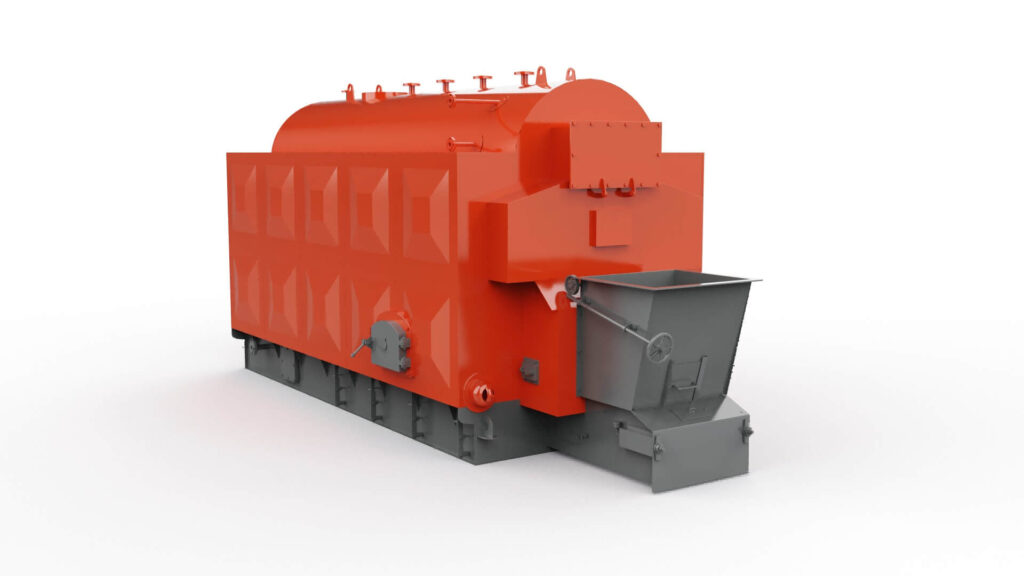
Technical Specifications
In the Philippines, the food processing sector—ranging from coconut oil refining to mango drying—is the heart of the national economy. We combine 10 years of global trade expertise with advanced thermal technology to deliver Steam Boiler for Food Industry in Philippines that meet the strict hygiene and efficiency standards of the Philippine Food and Drug Administration (FDA) and DOLE safety codes.
1. Core Applications in the Philippine Food Sector
We engineer our boilers to handle the specific thermal demands of your production line:
| Process | Typical Equipment | Steam Requirement |
| Fruit Drying (Mango/Pineapple) | Convection Dryers / FIRCH | Constant low-pressure steam. |
| Coconut Oil Refining | Refining Kettles / Deodorizers | High-temperature, high-pressure steam. |
| Meat & Fish Processing | Retorts / Autoclaves | High-purity steam for sterilization. |
| Beverage Production | Pasteurizers / CIP Systems | Rapid response to load changes. |
2. Choosing the Right Fuel for Food Safety & Profit
For food factories, we prioritize cleanliness and cost-control. We help you decide based on your location in the archipelago:
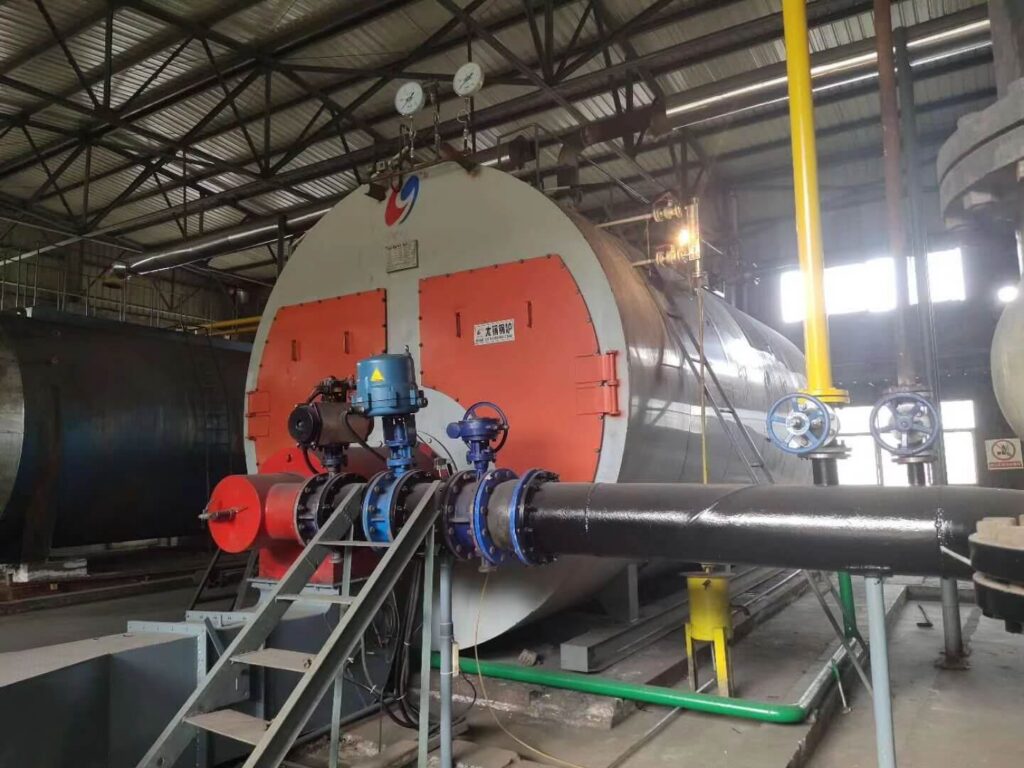
- Natural Gas (WNS Series): We recommend this for factories in Manila and industrial zones where hygiene is the top priority. It offers the cleanest combustion and zero soot.
- Biomass (SZL/DZL Series): We empower mills in Davao and Laguna to achieve 100% fuel independence by burning Coconut Shells or Rice Husks. This is the ultimate “Energy-Saving” solution for CPO mills.
- Electric Steam Generators: We provide these compact units for “Pure Steam” applications where the product has direct contact with steam (e.g., organic fruit snacks).
3. Technical Features: Why We Lead in the Philippines
We don’t just supply hardware; we deliver a “Hygiene-First” engineering package:
- Stainless Steel Options: We offer internal components and feedwater tanks in SS304/SS316 to prevent corrosion and ensure culinary-grade steam quality.
- ASME Compliance: Every boiler we ship to the Philippines complies with ASME Section I and Rule 1160, ensuring you pass the DOLE (Department of Labor) inspection without any friction.
- Intelligent Control: We equip our boilers with PLC systems that adjust steam output in seconds, maintaining the precise temperatures needed for batch consistency in fruit drying.
4. Case Study: Coconut Oil Success in Mindanao
We recently completed a project featuring two sets of 10-ton Biomass and Gas boilers for a large-scale coconut oil refinery. By utilizing their own coconut shells as fuel, the client achieved:
- Annual Fuel Savings: Over ₱4,500,000 ($80,000 USD).
- Carbon Neutrality: Meeting the latest 2026 Philippine energy efficiency targets.
5.further more for Steam Boiler for Food Industry in Philippines
A. Culinary Steam and Food Safety Standards
In the Philippine food sector, the quality of steam is as important as the quality of ingredients. Our Steam Boiler for Food Industry in Philippines is designed to produce ‘Culinary Grade’ steam. By utilizing stainless steel heat exchangers and FDA-approved water treatment, we ensure zero-contamination for direct-injection processes in canning and bottling plants, fully aligning with HACCP and FDA Philippines requirements.
B. Adapting to Philippine Tropical Conditions and High Humidity
Operating a Steam Boiler for Food Industry in Philippines requires equipment that can withstand high ambient temperatures and tropical humidity. Taiguo’s 2026 models feature IP54-rated control panels and specialized anti-corrosion coatings. This engineering excellence ensures that your boiler remains reliable in regions like CALABARZON and Central Luzon, preventing unexpected downtime during peak harvest seasons.
6.FAQ for Steam Boiler for Food Industry in Philippines
Q1: Does this Steam Boiler for Food Industry in Philippines meet DOLE Rule 1160?
A: Yes. Every unit is manufactured to ASME standards and comes with the complete documentation (MDR, P-2/P-3 forms) required by your local Professional Mechanical Engineer (PME) to secure a Permit to Operate (PTO) from the Department of Labor and Employment.
Q2: How can I reduce fuel costs for my food plant in 2026?
A: We recommend integrating a Condensing Heat Recovery system. For a Steam Boiler for Food Industry in Philippines, this can boost thermal efficiency to 98%, reducing fuel consumption by up to 10-15% depending on your feed water temperature.
Q3: What is the lead time for delivery to Manila or Cebu?
A: Our standard food-grade boilers have a production cycle of 30-45 days, followed by direct shipping to Manila (North/South Harbor), Batangas, or Cebu ports, ensuring your project stays on schedule.
7. Start Your Factory Upgrade with Kim
Are you ready to lower your production costs and stabilize your steam quality? As an expert with a 10-year track record, I provide more than a quote—I provide a partnership.
- Free Technical Audit: We analyze your factory’s load and recommend the ideal capacity.
- ROI Calculation: We compare local Philippine fuel costs to show you exactly when your investment pays off.
- Door-to-Door Logistics: We manage the Form E and sea freight to Manila, Cebu, or Davao.
📩 Connect with Kim for a Specialized Food Boiler Quote
- WhatsApp:8615093412637
- Email:kimjin2018@cnmiracletrade.com
- Browse Our 111+ Global Cases:cnmiracletrade.com