
Awesome Secrets to Boost Efficiency with Premium Boiler Auxiliaries
Contents Hide 1 1. Premium boiler auxiliaries like Water Treatment & Deaeration: The “Vital Organs” of System Health 2 2. Premium Boiler Auxiliaries–Heat Recovery Systems: Maximizing Thermal ROI 3 3. Premium Boiler Auxiliaries–Air Quality & Dust Collection: Compliance Guaranteed 4 4. Premium Boiler Auxiliaries Intelligent Control & Feedwater Management 5 5.Technical FAQ: Premium Boiler Auxiliaries […]
Get Instant QuoteTechnical Specifications
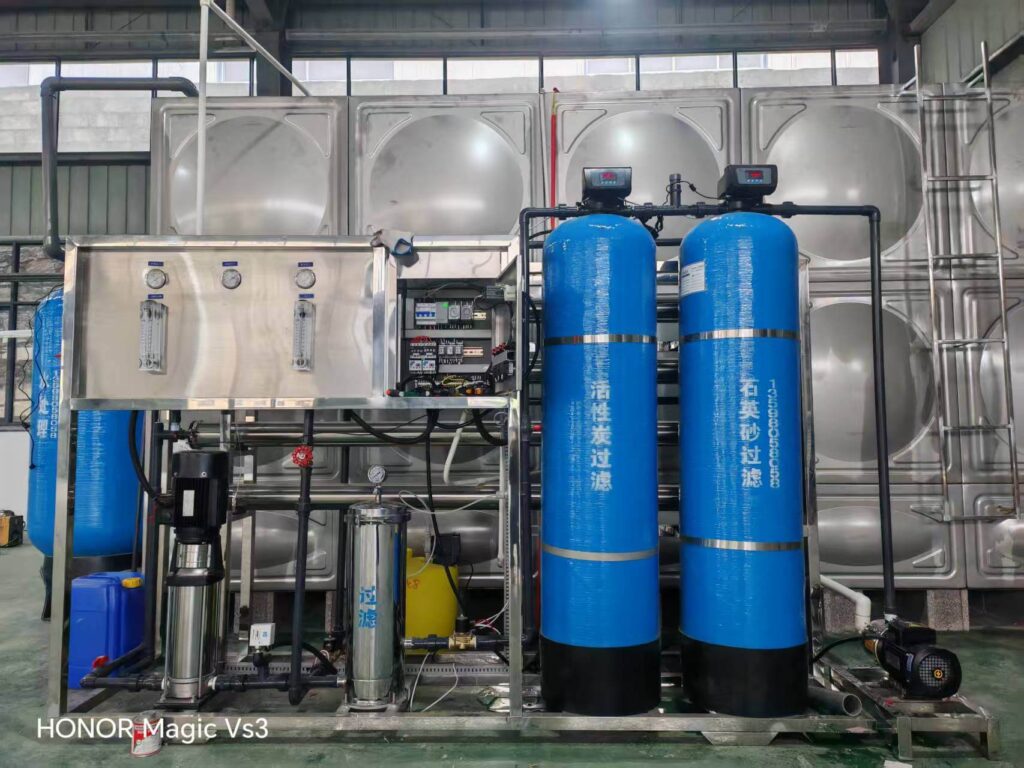
1. Premium boiler auxiliaries like Water Treatment & Deaeration: The “Vital Organs” of System Health
Scaling and oxygen corrosion are the “silent killers” of industrial boilers. In many regions of Southeast Asia, water hardness levels exceed 300 ppm, which can destroy a new boiler in less than 24 months.
- Fully Automatic Softeners (Ion Exchange):
- The Technology: Utilizing food-grade cation exchange resins to swap Calcium Ca2+ and Magnesium Mg2+ for Sodium Na+.
- Smart Control: We use Fleck or Runxin valves that trigger regeneration based on actual water flow, not just time, saving you 30% on industrial salt consumption.
- Thermal Deaerators (Removing Dissolved Oxygen):
- Why it’s critical: Oxygen in feedwater causes “pitting corrosion”—tiny holes that can penetrate thick steel.
- The Process: By heating feedwater to104°C, we reduce oxygen solubility to near zero (<0.007 mg/L), meeting the strict requirements for high-pressure boilers (>2.5MPa).
2. Premium Boiler Auxiliaries–Heat Recovery Systems: Maximizing Thermal ROI
In 2026, letting flue gas escape at 200°C is like throwing money out of the window. Our recovery systems are designed to squeeze every last BTU out of your fuel.
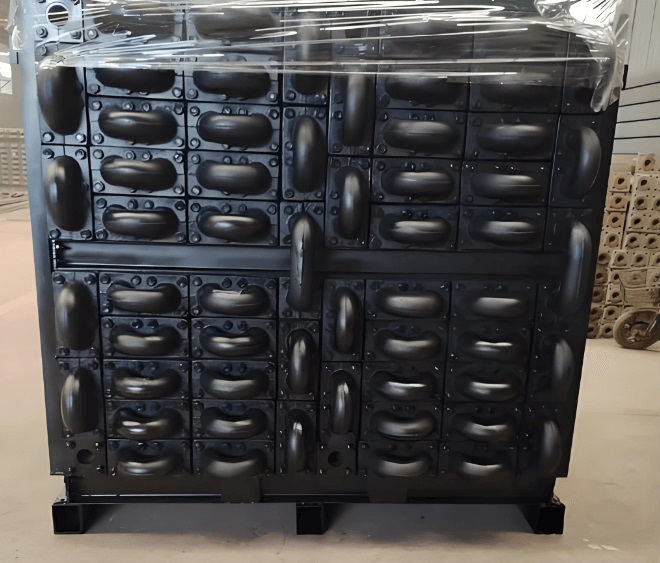
- ND-Steel Fin-Tube Economizers is the premium boiler auxiliaries for biomass boiler:
- Corrosion Resistance: We use ND-Steel (09CrCuSb), specifically designed to resist sulfuric acid dew point corrosion, which is a common failure point when burning high-sulfur coal or oil.
- Efficiency Boost: By pre-heating the feedwater by just 10°C, you reduce fuel consumption by 1%. Most of our installations achieve an increase of 40°C – 60°C.
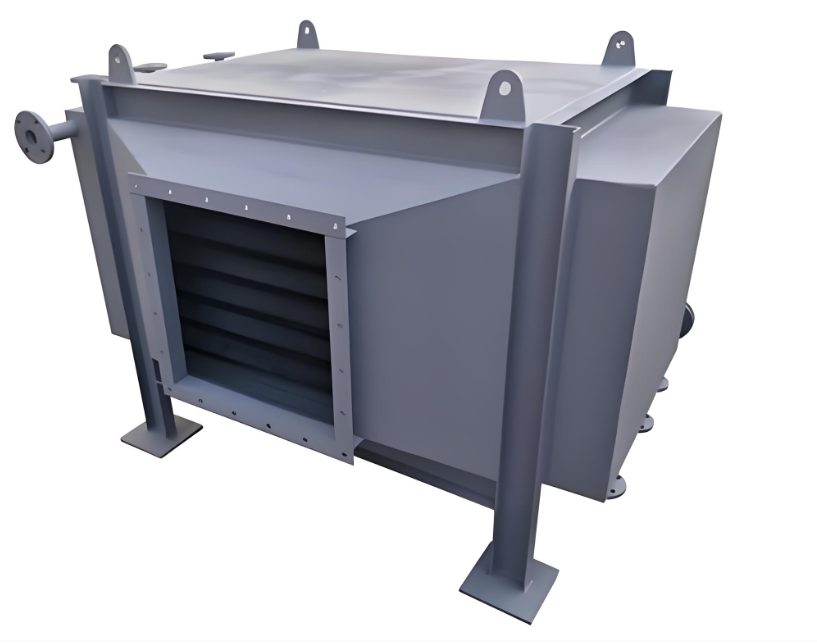
- Stainless Steel Condensers is the premium boiler auxiliaries for gas boilers
- Latent Heat Recovery: These units capture the energy released when water vapor in the flue gas turns back into liquid. This allows for a theoretical thermal efficiency of up to 98% – 104% (based on LHV).
3. Premium Boiler Auxiliaries–Air Quality & Dust Collection: Compliance Guaranteed
As global emission standards tighten (e.g., Uzbekistan’s new environmental codes), a simple chimney is no longer enough.for premium boiler auxiliaries we need equipment below
- Multi-Cyclone Dust Collectors:
- Principle: Using centrifugal force to separate ash. Our design features wear-resistant ceramic liners, extending the life of the collector when handling abrasive fly ash from rice husks or coal.
- Pulse-Jet Bag Filters (Fabric Filters):
- Efficiency: Capable of removing 99.9% of particulate matter (PM).
- High-Temperature Bags: We utilize PPS or Nomex filter bags that can withstand continuous flue gas temperatures of up to 190°C – 220°C without melting or clogging.
- Smart Cleaning: The PLC-controlled “Pulse-Jet” uses compressed air to shake off dust, ensuring the boiler maintains a stable draft even during heavy production cycles.
4. Premium Boiler Auxiliaries Intelligent Control & Feedwater Management
- Variable Frequency Drives (VFD): Instead of running pumps and fans at 100% all the time, our VFDs adjust the speed based on real-time steam demand. This can reduce your auxiliary electricity costs by 20% to 40%.
- Dual-Pump Redundancy: We provide vertical multi-stage stainless steel pumps (CNP/Grundfos) in a “Duty + Standby” configuration. If one pump fails, the system switches automatically, ensuring no production downtime.
5.Technical FAQ: Premium Boiler Auxiliaries Maintenance & System Longevity
Q1: How do I determine when the Water Softener resin needs replacement?
A: The ion-exchange resin is the “heart” of your water treatment system. Typically, high-quality resin lasts 2 to 3 years, depending on raw water hardness and usage volume.
- Daily Protocol: You must test the softened water hardness daily (it should be <0.03 mmol/L). If hardness levels spike, check your industrial salt levels and trigger a manual regeneration.
- Annual Service: We recommend an annual deep-clean of the resin tank to remove sediment. If the treated water fails to meet standards even after regeneration, the resin is likely “poisoned” or physically broken and must be replaced to prevent catastrophic boiler scaling.
Q2: What are the primary failure points for Economizers, and how can they be prevented?
A: The two most common issues are Dew Point Corrosion and Ash Clogging.
- Quarterly Audit: Check the flue gas temperature at the economizer inlet and outlet every 3 months. A sudden rise in exhaust temperature usually indicates heavy ash buildup on the fins.
- Prevention: For biomass boilers, consistent use of Soot Blowers is mandatory. Additionally, ensure the feedwater temperature entering the economizer stays above 60°C. This prevents acidic compounds in the flue gas from condensing on the ND-steel tubes, which causes rapid metal thinning and leaks.
Q3: How often should I replace the filter bags in a Pulse-Jet Bag Filter?
A: Under normal operating conditions, premium high-temperature bags (such as PPS or Nomex) have a service life of 12 to 24 months.
- Pressure Differential Monitoring: Watch the pressure gauge across the filter. If the differential pressure stays consistently above 1500 Pa despite the pulse-jet cleaning, the bags are likely “blinded” or clogged with moisture and dust.
- Emergency Alert: If you see visible dust or smoke from the chimney, a bag has likely ruptured. You must shut down immediately to replace it, as escaping fly ash will rapidly erode the impellers of your Induced Draft (ID) Fan.
Q4: Why is periodic performance testing of the Thermal Deaerator critical?
A: Deaerator failure leads to Oxygen Pitting Corrosion, which can eat through a boiler shell in less than a year.
- Bi-Annual Check: Every 6 months, inspect the spray nozzles and the steam distribution internal headers for clogs or displacement.
- Water Chemistry: Consistently verify that dissolved oxygen levels remain below 0.05 mg/L for low-pressure systems or 0.007mg/L for high-pressure industrial boilers.
Q5: What are the regional maintenance challenges for Central Asia vs. Southeast Asia?
A: Southeast Asia (High Humidity): Focus on the Electrical Control Cabinets. High humidity causes “tracking” and oxidation on terminals. We recommend tightening all electrical connections every 6 months and ensuring the cabinet heaters/dehumidifiers are functional.
B.Central Asia (Extreme Winters): For countries like Uzbekistan, the priority is Freeze Protection. During shutdowns, all water must be drained from the pumps, auxiliary tanks, and external piping to prevent frost-cracking. For continuous operation, ensure that all heat-tracing and insulation cladding remain intact.
Is your auxiliary system underperforming? Contact Kim for a System Health Audit and Retrofit Proposal.