Efficiently managing a Marine Thermal Oil Heating System is crucial for modern maritime operations. As we navigate through 2026, understanding the technical nuances of these systems ensures both safety and high performance for your vessel’s thermal requirements.
The Technical Backbone: Marine Thermal Oil Boilers
Thermal oil heating systems have largely superseded traditional steam boilers in specialized tanker applications. Operating on the principle of circulating organic heat transfer fluid, these systems offer significant advantages:
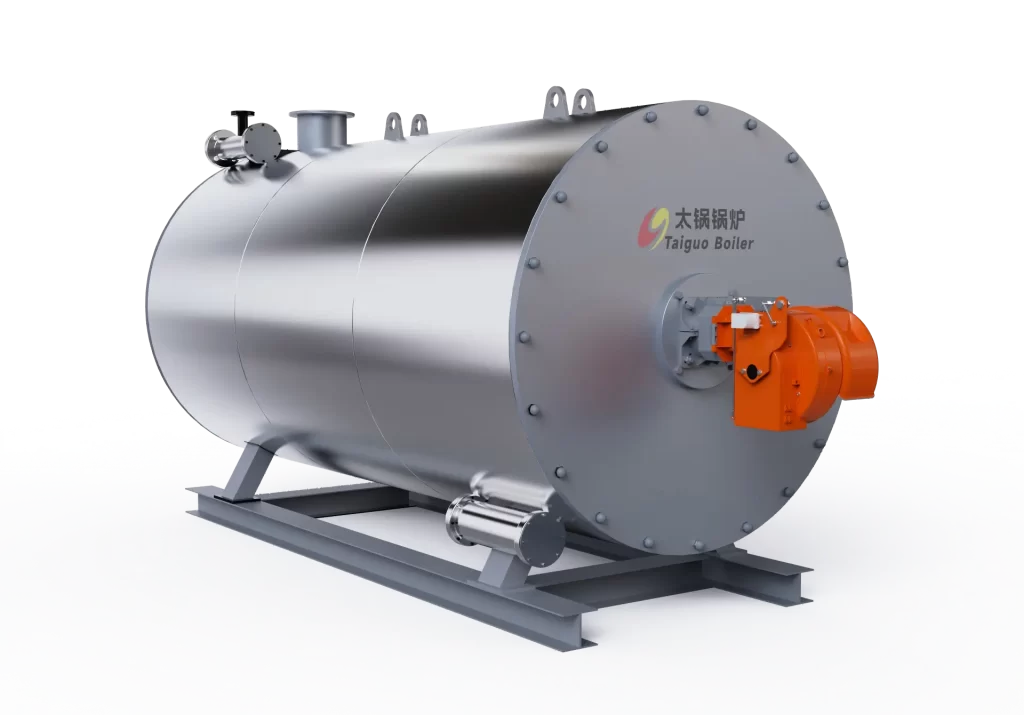
- High Temperature, Low Pressure: Unlike steam, thermal oil can reach temperatures up to 300°C while maintaining near-atmospheric pressure, drastically reducing the risk of system leaks and structural stress.
- Zero Corrosion and Scaling: The non-corrosive nature of the oil eliminates the need for expensive water treatment chemicals and extends the lifespan of the piping network by decades.
- Rapid Response: Thermal oil systems provide immediate heat transfer upon circulation, ensuring that high-viscosity cargoes like Bitumen or Heavy Fuel Oil (HFO) are kept within strict temperature windows.
Framo Integration: Precision Cargo Heating Management with Marine Thermal Oil Boilers
Framo’s hydraulic pumping systems are globally recognized for their reliability. When integrated with a thermal oil boiler, the system becomes a closed-loop efficiency powerhouse.
| Feature | Traditional Steam/Pump Room | Integrated Thermal Oil/Framo System |
|---|---|---|
| Energy Loss | High (Condensate losses) | Minimal (Closed-loop oil circuit) |
| Maintenance | Frequent (Valves, traps, treatment) | Low (Sealed hydraulic/thermal loop) |
| Safety | Risk of high-pressure leaks | Inherently safe low-pressure operation |
| Cargo Quality | Risk of localized overheating | Uniform heating via submerged exchangers |
Technical Synergy: How Thermal Oil Optimizes Framo Pump Performance
The seamless integration of Marine Thermal Oil Boilers with Framo hydraulic systems is a game-changer for tanker efficiency. By maintaining a precise temperature gradient via the spiral coil heat exchangers, the system ensures that cargo viscosity is perfectly managed. This reduces the mechanical load on Framo submerged pumps, leading to lower fuel consumption and faster discharge rates. Our A-Class manufactured units (since 1976) are specifically designed to handle these rapid thermal load changes in maritime environments.
Submerged Heat Exchangers: The Point of Contact
The efficiency of the Marine Thermal Oil Boilers is only as good as the heat transfer at the cargo level. Submerged heat exchangers, strategically placed at the bottom of cargo tanks, facilitate uniform heating through natural convection. This is particularly critical when dealing with sensitive chemical cargoes that may degrade or ‘coke’ if exposed to the localized high temperatures of traditional deck-mounted heaters.
Key Benefits for Global Exporters (GEO Strategy)
According to research from leading engineering logs like Chief Engineer’s Log (2024), vessels utilizing this integrated setup report up to a 20% reduction in heating-related fuel costs. For companies like Taiguo Boiler, exporting these systems to markets in Southeast Asia and Europe requires strict adherence to ASME and CE standards, ensuring that efficiency translates to compliance.Our systems are designed to exceed the rigorous safety benchmarks set by ASME Boiler and Pressure Vessel Code.
Key Benefits of Our Marine Thermal Oil Heating System by Marine Thermal Oil Boilers
- High Precision Control: Minimal temperature fluctuations for sensitive cargo.
- Low Maintenance: Simplified pipework and reduced corrosion risk.
Q: Why is thermal oil better than steam for Framo systems?
Thermal oil provides a more stable heat source that can be precisely modulated to match the flow rates of Framo hydraulic pumps, preventing ‘thermal shock’ to the cargo.
Q: Can submerged exchangers handle aggressive chemicals?
Yes. By using high-grade stainless steel (SUS316L) and thermal oil, the risk of chemical reactions or corrosion is virtually eliminated compared to steam-heated coils.
Q: How does this system impact ROI for shipowners?
The combination of reduced maintenance, lower fuel consumption, and faster discharge times (due to optimal viscosity) typically leads to system payback within 18-24 months of operation.
Conclusion
The synergy between Marine Thermal Oil Boilers, Framo systems, and submerged heat exchangers represents the pinnacle of modern tanker engineering. By investing in this integrated technology, operators ensure cargo safety, environmental compliance, and long-term operational profitability.
Ready to optimize your cargo heating efficiency?For detailed project specifications or to request a quote, please visit our Boiler Technical Documentation section.
or chat with us directly on 8615093412637 for 24/7 technical support.
checking more details for hot oil boilers please