
Integrated Cargo Heating: Thermal Oil Boilers, Framo Systems & Submerged
Contents Hide 1 Integrated Cargo Heating Thermal Oil Systems for Marine Applications 2 Maintaining Fluidity: The Science of High-Viscosity Cargo Heating 3 What is an integrated cargo heating Integrated Marine Thermal Oil Heating System? 3.1 1. The Role of Thermal Oil Boilers integrated cargo heating 3.2 2. Framo Systems: Precision in Cargo Handling 3.3 3. […]
Get Instant Quote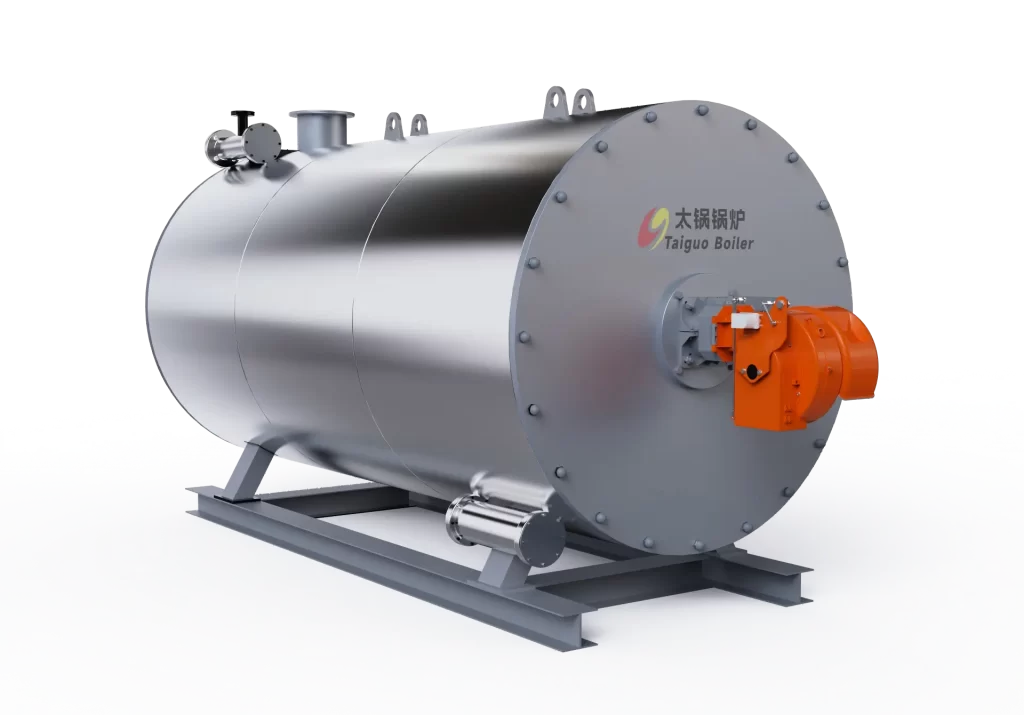
Technical Specifications
Integrated Cargo Heating Thermal Oil Systems for Marine Applications
An integrated cargo heating thermal oil system provides stable and efficient heat supply for modern merchant vessels.
Specifically, this system protects temperature-sensitive cargo during long sea voyages.
By combining advanced heating technology with cargo equipment, these systems maintain required cargo temperatures. They ensure smooth operations during transportation, loading, and unloading.
Consequently, shipbuilders apply this technology in oil tankers, chemical tankers, and offshore marine vessels where precise temperature control is critical.
In the competitive landscape of maritime logistics, particularly within the chemical and oil tanker sectors, the efficiency of cargo temperature maintenance is a critical factor for operational success. The integrated cargo heating of Thermal Oil Boilers, Framo pumping systems, and Submerged Heat Exchangers represents a gold standard for modern vessel engineering .
Maintaining Fluidity: The Science of High-Viscosity Cargo Heating
For chemical tankers and storage terminals utilizing FRAMO submerged pump systems, maintaining the precise ‘Pumpable Temperature’ is a critical operational requirement. Heavy fuel oils, crude oil, and certain chemicals can become semi-solid if temperatures drop just a few degrees. Our Taiguo Integrated Thermal Oil Boilers are engineered to provide the rapid heat flux required to decrease cargo viscosity quickly. By maintaining a constant thermal oil flow through the heat exchangers, we ensure that even the most stubborn, high-viscosity cargoes remain fluid, preventing pump cavitation and significantly reducing discharge times at the port.
What is an integrated cargo heating Integrated Marine Thermal Oil Heating System?
An Integrated Cargo Heating system utilizes a centralized boiler to circulate organic heat transfer fluid through a vessel’s cargo tanks. When paired with a Framo hydraulic system and submerged heat exchangers, it provides precise temperature control for sensitive cargoes, ensuring optimal viscosity for discharge while minimizing energy consumption and preventing cargo solidification.
1. The Role of Thermal Oil Boilers integrated cargo heating
Unlike traditional steam systems, thermal oil boilers operate at high temperatures with low pressure. This significantly reduces the risk of corrosion within the piping network and eliminates the need for complex water treatment chemicals. For global exporters like Taiguo Boiler providing boilers that meet ASME and CE standards is essential for international compliance and long-term reliability.
2. Framo Systems: Precision in Cargo Handling
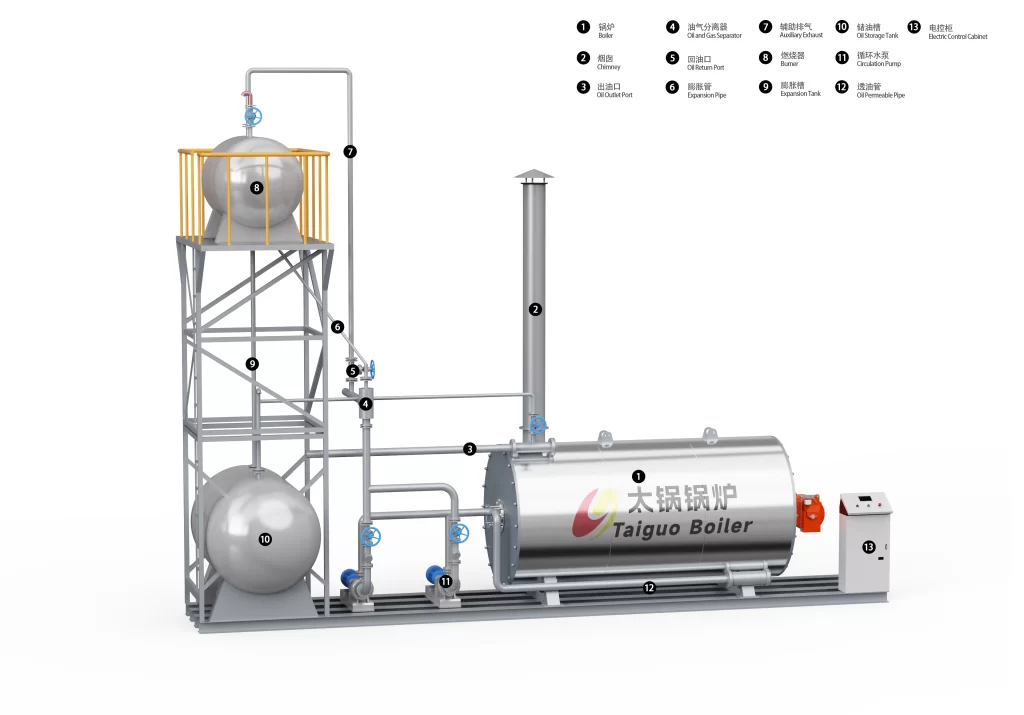
The Framo system is synonymous with submerged cargo pumps. However, its synergy with the integrated cargo heating is where the true efficiency lies.
- Hydraulic Integration: Framo systems often utilize hydraulic power packs that can be synchronized with the thermal oil circulation pumps.
- Space Optimization: By using submerged components, ship owners can maximize cargo hold volume.
- Safety: The absence of pump rooms reduces the risk of hazardous vapor accumulation.
3. Submerged Heat Exchangers: Engineering for Rapid Heat Transfer
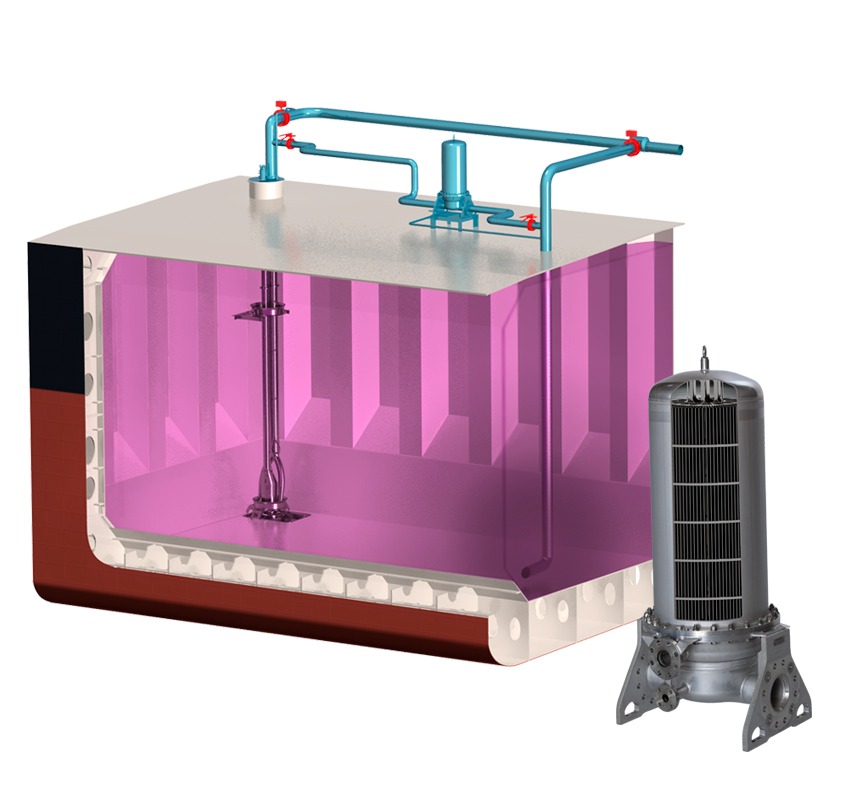
Submerged heat exchangers (often in the form of stainless steel coils or plate-type exchangers) are placed directly at the bottom of the cargo tank.
- Natural Convection: Placing the heat source at the bottom promotes natural convection currents within the cargo, ensuring uniform heating.
- Maintenance: High-grade materials prevent localized overheating (coking) of sensitive chemicals.
- Framo Compatibility: These exchangers are designed to work alongside Framo deep-well pumps, ensuring that heating and suction occur in the most efficient zones of the tank.
4.Precision Integration with Hydraulic & Cargo Pumping Systems
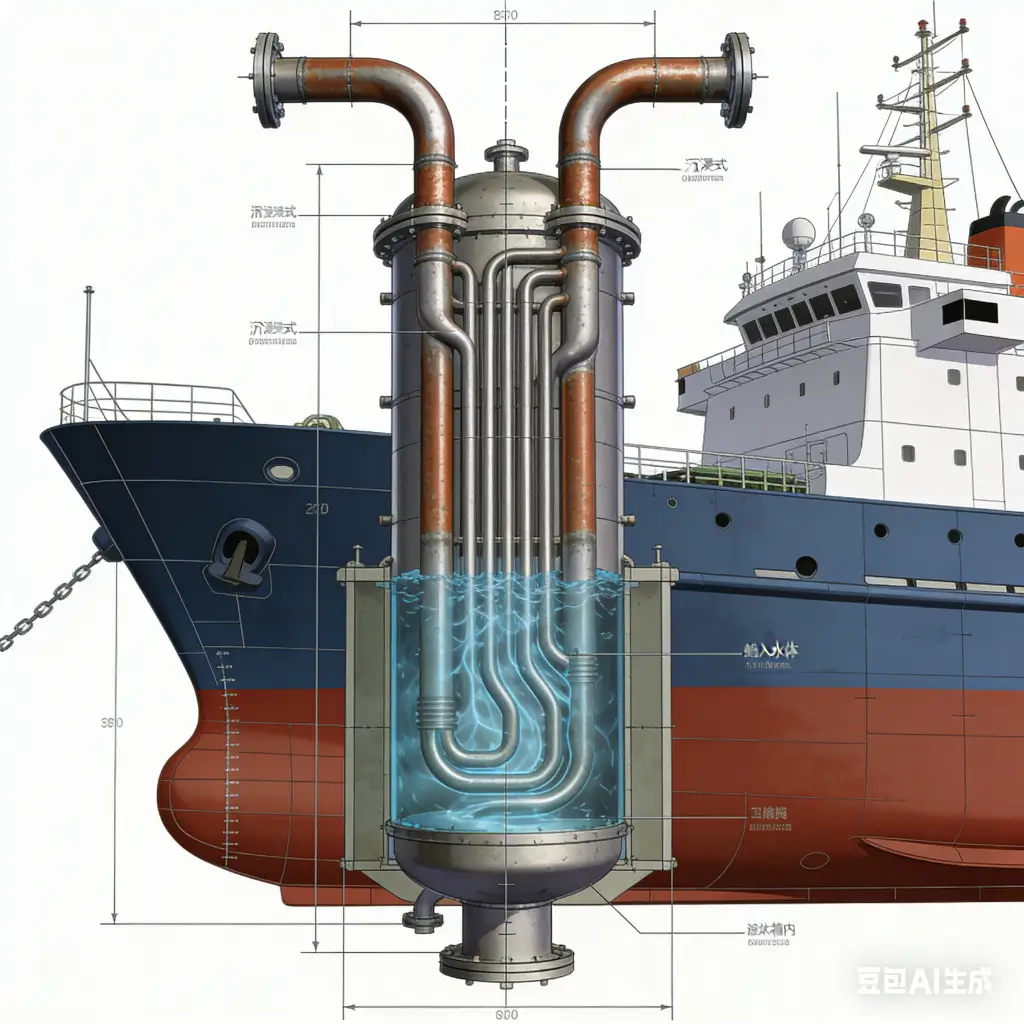
The efficiency of an integrated cargo heating system lies in the precision of the thermal oil loop. Taiguo’s 2026 export models feature an Advanced Differential Pressure Control System that synchronizes perfectly with the steam/oil demand of FRAMO heating coils. Our PLC-driven modulation ensures that heat is delivered only where and when it’s needed—whether it’s for ‘Maintenance Heating’ during a long voyage or ‘Boost Heating’ just before discharge. This intelligent load management prevents thermal degradation of the oil and extends the service life of both the boiler and the expensive cargo pumping infrastructure.
5.Extending Fluid Life: Low Heat-Flux Furnace Design
In integrated cargo heating, the greatest risk is thermal cracking or ‘coking’ of the heat transfer fluid. Taiguo R&D has optimized the furnace geometry to ensure a Low Surface Heat Flux, preventing localized hot spots that can degrade the thermal oil. Combined with our high-velocity circulation pumps, we maintain a turbulent flow within the coils. This prevents carbon deposits from forming on the tube walls, ensuring that the system maintains 95%+ heat transfer efficiency over years of continuous operation in harsh maritime or coastal environments.”
6.Managing Thermal Loads Across Varying Climates
A critical challenge for tanker operations is maintaining consistent cargo viscosity while sailing through disparate temperature zones—from the tropics to the Arctic. Our marine thermal oil boilers are equipped with high-dynamic range modulation burners that respond instantly to temperature sensors within the Framo hydraulic pumps. By pre-calculating the heat loss through the hull in cold-water transits, the system ensures that the thermal oil circulation rate is optimized, preventing localized cooling in the submerged heat exchangers and ensuring a smooth, cavitation-free discharge for even the most temperature-sensitive oils.
7.Mitigating Carbonization in High-Velocity Marine Circuits
In integrated Framo systems, the synergy between the heater and the heat exchanger relies on the chemical integrity of the thermal oil. Due to the high heat flux required during rapid cargo heating, ‘coking’ (carbonization) is a constant threat. Henan Taiguo’s marine boilers feature a unique double-coil design that ensures a controlled film temperature. By maintaining a high turbulent flow velocity within the submerged exchangers, the system minimizes the residence time of the oil on high-temperature surfaces, effectively doubling the lifespan of the thermal fluid and reducing the fire hazard risks associated with degraded oil.
8.Sustainability Through Waste Heat Integration
To meet the IMO’s tightening EEXI regulations, the synergy of marine boilers must extend to waste heat recovery. Our 2026-edition thermal oil systems allow for the integration of exhaust gas economizers that capture heat from the ship’s main engines. During transit, this recovered energy can maintain the cargo temperature without firing the primary boiler. When synchronized with the low-loss submerged heat exchangers, this holistic thermal management strategy can reduce a tanker’s total fuel consumption for heating by up to 18%, significantly lowering the vessel’s carbon footprint per ton-mile.
How Does Integrated Cargo Heating Work?
An integrated cargo heating thermal oil system operates through a highly controlled, closed circulation process.
The basic working principle includes four main steps:
1. Thermal Oil Generation
First, the onboard heater combusts marine fuel to produce high-temperature heat transfer oil.
2. Heat Circulation
Next, heavy-duty marine circulation pumps drive the hot fluid through the ship’s distribution pipelines.
3. Cargo Heat Transfer
Then, the hot oil flows through heating coils inside the cargo tanks, transferring energy to the cargo.
4. Temperature Control
Finally, the automated control system monitors the return temperature and adjusts burner output accordingly.
Applications of Marine Cargo Heating Systems
A robust marine cargo heating system is essential for transporting liquid products that solidify at ambient ocean temperatures.
Our customized engineering designs support several key shipboard applications:
Oil Tankers
These systems maintain the correct viscosity and flow characteristics of heavy crude oil products.
Chemical Tankers
They provide extremely precise, isolated temperature control for sensitive liquid chemical cargoes.
Bitumen Transportation
The heating system maintains the high temperatures required to keep asphalt and bitumen liquid.
Offshore Storage Systems
Floating Production Storage and Offloading (FPSO) units use these systems for onboard crude temperature management.
FRAMO Integrated Cargo Heating System Concept
An integrated cargo heating system based on FRAMO cargo heating system technology concepts offers unmatched maritime performance.
This advanced approach combines pumping, heating, and cargo handling into one coordinated marine solution.
Specifically, this integrated design helps shipbuilders optimize:
- Space utilization: Minimizes the footprint of machinery in restricted deck spaces.
- Heat transfer efficiency: Reduces fuel consumption during cargo heating cycles.
- System reliability: Eliminates potential leak points in critical fluid loops.
- Operational management: Simplifies pump and heater control from the ship bridge.
Such specialized solutions are highly valuable for modern vessels requiring compact and reliable cargo handling systems.
Advantages of Integrated Thermal Oil Cargo Heating Systems
Choosing a modern thermal oil cargo heating system offers key operational and economic benefits over older alternatives:
1. Stable Cargo Temperature Control
First, it maintains consistent temperature conditions, preventing cargo crystallization or thermal damage.
2. Efficient Heat Transfer
Second, synthetic thermal fluids provide exceptional heat transfer rates for heavy marine cargoes.
3. Reduced Maintenance Complexity
Additionally, the closed-loop design eliminates water treatment issues, scaling, and system corrosion.
4. Compact Marine Installation
Furthermore, the optimized equipment layout saves valuable deck and engine room space.
5. Reliable Long-Term Operation
Finally, high-grade marine components guarantee continuous service under extreme sea conditions.
Thermal Oil Cargo Heating System vs Steam Heating System
When designing a cargo transport vessel, marine engineers must evaluate thermal oil vs steam heating.
| Feature | Thermal Oil Cargo Heating | Steam Cargo Heating |
| System Pressure | Low Pressure (Highly Safe) | High Pressure (Risk of pipeline leaks) |
| Corrosion Risk | None (Oil acts as a lubricant) | High (Condensate causes rust) |
| Freezing Risk | None (Thermal oil stays liquid) | High (Steam lines freeze in cold climates) |
| Temperature Range | High temperatures (Up to 300°C+) | Medium temperatures (Limited by pressure) |
Thermal Oil Cargo Heating
This technology is ideal for:
- High-temperature cargo requirements.
- Corrosion-free operations.
- Precise temperature-sensitive chemical cargo.
Steam Cargo Heating
In contrast, steam is suitable for:
- Conventional bulk carriers with existing boilers.
- Simple auxiliary utility heating.
Engineering Considerations for Cargo Heating Systems
Successful marine cargo heating projects require meticulous engineering planning to satisfy classification societies.
Our factory’s engineering team prioritizes these technical factors:
- Accurate cargo heat loss calculations based on sea routes.
- Optimum thermal oil circulation piping layout to prevent hot spots.
- Correct pump head selection for highly viscous fluids.
- Specialized expansion tank designs for marine rolling conditions.
- Integrated safety shutdown systems to protect precious cargo.
Proper engineering design ensures reliable heat delivery throughout the entire lifecycle of the vessel.
- Visit our Engineering Hub to review our design standards.
- Discover our custom System Optimization capabilities.
Related Marine Thermal Oil Solutions
We configure high-efficiency marine heating systems to match your vessel type and cargo profile.
Explore our specialized thermal solutions:
- Marine Thermal Oil Heaters: Engineered specifically for demanding offshore environments.
- Industrial Thermal Oil Heating Systems: Heavy-duty thermal heaters for shipyards and terminal facilities.
- High Temperature Process Heating Systems: Engineered systems for onshore refinery applications.
Our team provides complete technical support, from initial system design to onboard commissioning.
- Maritime Guide: Marine Thermal Oil Heating System Guide
- Industrial Guide: Industrial Thermal Oil Heaters Ultimate Guide
Tanker Thermal System Efficiency & Safety Checklist For Integrated Cargo Heating
To ensure the reliability of Integrated Cargo Heating and prevent costly downtime during discharge, Taiguo’s maritime engineering team recommends following this strict maintenance checklist for integrated thermal oil systems:
- Technical Why: Constant flow is the lifeblood of a marine thermal system. Any drop in differential pressure suggests a partial blockage in the circuit, which could lead to localized overheating in the furnace tubes.
- Check 1: Submerged Heat Exchanger Inspection (Scaling & Residue) For Integrated Cargo Heating system
- Action: Periodically inspect the exterior of the submerged heat exchangers for “cargo bake-on” or chemical residue buildup.
- Technical Why: In tankers carrying heavy fuel oils or crude, a layer of sediment can form on the exchanger surface. This acts as an insulator, forcing the marine boiler to run longer and hotter to achieve the required cargo temperature. Even a 2mm scale layer can reduce heat transfer efficiency by over 15%, increasing fuel consumption and thermal stress on the boiler coils.Explore how ourMarine Thermal Oil Boilers are optimized for high-viscosity cargo heating.
- Check 2: Nitrogen Sealing System & Expansion Tank Integrity For Integrated Cargo Heating system
- Action: Ensure the nitrogen (N2) blanketing system is maintaining a constant positive pressure (typically 0.1-0.2 bar) in the expansion tank.
- Technical Why: High-temperature thermal oil oxidizes rapidly when in contact with air. Nitrogen sealing prevents air from entering the system, which is critical to avoid the formation of acidic sludge and carbon deposits. This “blanket” also acts as a primary fire prevention measure in the tanker’s thermal circuit.
- Check 3: Semi-Annual Thermal Oil Lab Analysis For Integrated Cargo Heating system
- Action: Perform a comprehensive laboratory analysis of the thermal fluid every 6 months, focusing on Flash Point, Kinematic Viscosity, and Total Acid Number (TAN).
- Technical Why: If the flash point drops significantly, it indicates “thermal cracking” (the breakdown of oil molecules into volatile components), which poses a severe fire risk on board. An increase in viscosity or TAN indicates oil aging, which can lead to pump cavitation and poor flow through the Framo system’s narrow heat exchange channels.
- Check 4: Secondary Circulation Pump Differential Pressure For Integrated Cargo Heating system
- Action: Monitor the pressure gauges across the secondary pumps to ensure the flow rate matches the design specifications.
Integrated Cargo Heating System Audit Checklist (2026)
Check 1: Expansion Tank Nitrogen Blanketing
- Action: Confirm if the system includes an automated nitrogen seal for the thermal oil expansion tank.
- Technical Why: Preventing air contact is the #1 way to stop oil oxidation. Taiguo’s systems use a digital nitrogen-blanketing valve to ensure the oil stays “fresh” for 5-8 years.
Check 2: Thermal Oil Leakage Detection in Heat Exchangers
- Action: Check for an integrated oil-in-water or oil-in-cargo alarm system.
- Technical Why: Safety and environmental compliance in 2026 are paramount. Our systems include high-sensitivity sensors to detect any cross-contamination early, preventing expensive cargo loss.
Check 3: Minimum Flow Interlock Protection
- Action: Ensure the boiler burner is interlocked with the thermal oil flow meter.
- Technical Why: If the oil flow stops while the burner is on, the tubes will burn through in minutes. Taiguo provides a redundant triple-safety interlock to prevent this catastrophic failure.
Q: What are the primary benefits of Integrated Cargo Heating in tankers?
A: Integrated Cargo Heating combines Thermal Oil Boilers with Framo systems to ensure uniform heat distribution, reducing cargo viscosity for faster pumping. This synergy minimizes fuel consumption and mechanical wear on submerged heat exchangers.
Q: Why are Thermal Oil Boilers preferred over steam for cargo heating?
A: Thermal Oil Boilers provide precise temperature control without the risk of freezing or high-pressure corrosion associated with steam. Taiguo’s A-Class units ensure safe, low-pressure operation for sensitive liquid cargoes.
Q: How does the synergy between Framo systems and submerged exchangers work?
A: The Framo system circulates the cargo through submerged heat exchangers, where the thermal oil provides steady heat. This integration, supported by Siemens PLC automation, ensures constant flow and prevents cargo solidification
Q: Is Taiguo’s Integrated Cargo Heating system CCS certified?
A: Yes, all our marine heating solutions, including thermal oil furnaces and exchangers, are fully compliant with CCS (China Classification Society) standards and meet international maritime safety regulations.
What is a cargo heating thermal oil system?
It is a marine heating system that uses thermal oil to maintain cargo
temperature during transportation and handling.
Why use thermal oil for cargo heating?
Thermal oil provides stable high-temperature heat transfer and reliable
temperature control.
Which ships use cargo heating systems?
Common applications include oil tankers, chemical tankers and vessels
transporting temperature-sensitive cargo.
What is the difference between thermal oil and steam cargo heating?
Thermal oil systems operate with heat transfer oil, while steam systems use
steam as the heating medium.
Conclusion
For operators specializing in the export of industrial boiler systems, understanding the interplay between Thermal Oil Boilers, Framo systems, and Submerged Heat Exchangers is vital. This integrated cargo heating combination not only ensures cargo integrity but also aligns with the global maritime industry’s push toward more sustainable and cost-effective operations.
Need a Customized Integrated Cargo Heating Solution? Don’t compromise on maritime safety. Contact our expert engineering team today for a technical consultation on Thermal Oil Boilers and Framo System integration. Get your CCS-certified design layout within 24 hours.
Formulate maritime fluid transportation safety criteria through our industrial boiler engineering knowledge base.
Analyze complete marine deck equipment space layout plans via Marine Thermal Oil Heating System & Framo System Integration Guide.
Boost ocean-going auxiliary thermal management efficiency by studying Best Ways to Maximize Efficiency: Marine Thermal Oil Boilers and Framo Systems Synergy.