
Marine Thermal Oil Boiler Systems for Ships, Tankers & Cargo Heating
Marine cargo heating demands precise temperature management and dependable continuous operation. Marine thermal oil boiler systems deliver steady thermal energy across heavy marine environments. These systems protect temperature-sensitive liquid cargoes during long voyages. Furthermore, they optimize energy consumption across complex vessel networks. Contents Hide 1 What Is a Marine Thermal Oil Boiler? 2 How Does […]
Get Instant QuoteTechnical Specifications
Marine cargo heating demands precise temperature management and dependable continuous operation. Marine thermal oil boiler systems deliver steady thermal energy across heavy marine environments. These systems protect temperature-sensitive liquid cargoes during long voyages. Furthermore, they optimize energy consumption across complex vessel networks.
What Is a Marine Thermal Oil Boiler?
A marine thermal oil boiler is a closed-loop heating unit engineered specifically for maritime vessels. The system uses specialized thermal fluid as a heat transfer medium instead of water or steam. A dedicated burner heats the fluid inside robust pipe coils.
Next, circulation pumps move this high-temperature oil through a closed piping circuit. The thermal fluid transfers heat directly to cargo tanks, fuel tanks, and process equipment. Consequently, the system delivers precise temperature regulation without generating excessive internal pressure.
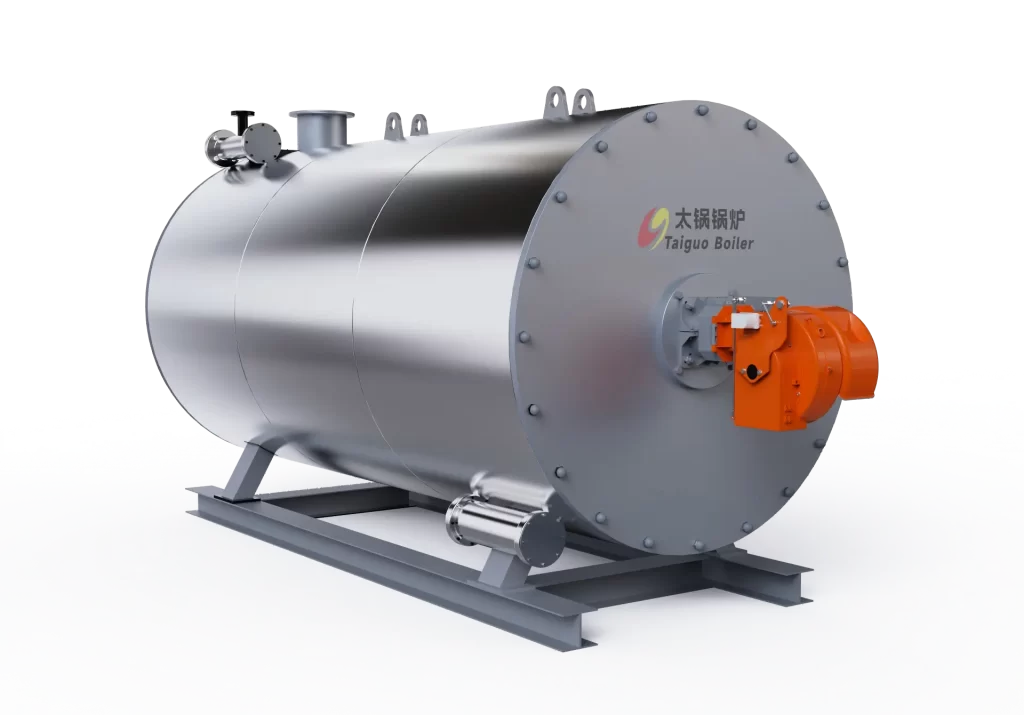
How Does a Marine Thermal Oil Heating System Work?
A complete marine thermal oil system relies on several core engineering components operating in synergy:
- Thermal Oil Boiler: The central heating unit utilizes marine gas oil, heavy fuel oil, or marine gas to heat the thermal medium efficiently.
- Thermal Oil Circulation Pump: Heavy-duty centrifugal pumps maintain constant fluid velocity through the closed-loop system.
- Expansion Tank: This tank accommodates fluid volume expansion during temperature rises and prevents fluid oxidation.
- Cargo Heating Circuit: Insulated marine pipe networks distribute the heated thermal oil across various cargo holds.
- Heat Exchanger: Submerged coils or external shell-and-tube heat exchangers transfer thermal energy into liquid cargo safely.
- Temperature Control System: Automated 3-way modulating valves adjust thermal fluid flow rates based on real-time temperature feedback.
Marine Thermal Oil Boiler vs. Steam Heating System
Marine engineers evaluate thermal fluid systems against traditional steam systems based on operating parameters and long-term maintenance costs.
Therefore, thermal oil systems provide distinct operational advantages for specialized tanker applications requiring stable, high-temperature cargo management.
Marine Thermal Oil Boiler Applications
Marine thermal oil boilers support diverse specialized liquid cargo transport operations:
- Bitumen & Asphalt Cargo Heating: Asphalt requires transport temperatures between 150°C and 180°C to remain pumpable. Thermal oil delivers this continuous high-temperature heating effortlessly.
- Heavy Fuel Oil (HFO) Pre-Heating: Vessels circulate thermal oil through settling tanks and fuel lines to reduce viscosity before engine injection.
- Chemical Tanker Cargo Heating: Sensitive chemical products demand exact temperature boundaries to prevent cargo degradation or unwanted polymerization.
- Vegetable Oil & Edible Cargo: Palm oil and specialized edible oils require uniform, gentle heating without localized hotspots to avoid scorching.
- High-Viscosity Cargo Management: Crude oil carriers utilize thermal fluid circuits to maintain optimum discharge viscosity before port offloading.
Marine Thermal Oil Boiler and Framo System Integration
Specialized parcel tankers frequently combine thermal oil boilers with Framo submerged cargo pumping equipment.
- Framo Hydraulic Pump Performance: High-viscosity liquid cargo creates high pump discharge pressure. Thermal oil systems maintain ideal cargo fluidity, which reduces hydraulic power draw on the Framo power packs.
- Submerged Heat Exchangers: Stainless steel submerged heat exchangers integrate directly with Framo pump wells, allowing thermal oil to heat cargo near the suction intake.
- Cargo Temperature Regulation: Automated control skids regulate thermal oil delivery directly through Framo heating loops, preventing thermal shock.
Marine Thermal Oil Boiler Technical Specifications
The following table summarizes standard technical engineering parameters for marine thermal fluid boilers:
Marine Thermal Oil Boiler Safety Considerations
Marine environments require rigorous safety layers for thermal fluid operation:
- Flow Rate Monitoring: Differential pressure transmitters detect flow reduction immediately to prevent fluid overheating.
- Expansion Tank Inerting: Nitrogen blanket systems prevent hot thermal fluid from contacting atmospheric oxygen.
- Over-Temperature Protection: Dual independent thermal sensors trigger instant burner shutdown if exhaust or fluid temperatures exceed preset limits.
- Leak Detection Systems: Double-walled piping sections and sump level sensors alert operators to fluid containment breaches.
- Emergency Dump Tanks: Marine safety valves automatically divert thermal oil into cold dump tanks during critical emergencies.
How to Select a Marine Thermal Oil Boiler
Selecting the proper marine boiler requires a systematic engineering evaluation:
- Evaluate Cargo Heat Loss: Calculate voyage heat dissipation rates based on vessel hull insulation, sea water temperature, and ambient air conditions.
- Determine Peak Heating Loads: Size thermal capacity according to the maximum heating rate required during cold-weather transit or tank cleaning operations.
- Review Available Fuel Sources: Match boiler burner configurations to shipboard fuel supplies, such as low-sulfur MGO, heavy fuel oil, or hybrid marine gas.
- Select Heat Exchanger Configurations: Choose between deck-mounted heat exchangers or submerged in-tank heating coils based on cargo corrosiveness.
- Verify Marine Certification: Ensure the boiler design, pressure parts, and electrical enclosures comply with designated maritime classification standards.
Industrial Thermal Solutions by CN MIRACLE & Taiguo Boiler
CN MIRACLE &Taiguo Boiler engineers robust, high-efficiency thermal oil boilers and industrial pressure vessels. Our engineering team customizes heating solutions to meet demanding industrial and maritime requirements. Explore our comprehensive thermal product catalog or consult our technical engineers to design your next heating system.
Why is thermal oil better than steam for Framo systems?
Thermal oil provides a more stable heat source that can be precisely modulated to match the flow rates of Framo hydraulic pumps, preventing ‘thermal shock’ to the cargo.
Can submerged exchangers handle aggressive chemicals?
Yes. By using high-grade stainless steel (SUS316L) and thermal oil, the risk of chemical reactions or corrosion is virtually eliminated compared to steam-heated coils.
How does this system impact ROI for shipowners?
The combination of reduced maintenance, lower fuel consumption, and faster discharge times (due to optimal viscosity) typically leads to system payback within 18-24 months of operation.
Why is thermal oil preferred over steam on bitumen tankers?
Bitumen requires continuous heating up to 180°C. Producing 180°C steam requires high operating pressure, which increases pipe wall thickness and mechanical strain. Thermal oil delivers 180°C–250°C heat safely at near-atmospheric pressure.
How often should marine thermal fluid be tested?
Ship operators should perform laboratory fluid analysis at least once every 12 months. Routine testing monitors flash point changes, viscosity shifts, acidity levels, and carbon residue buildup.
Can a marine thermal oil boiler use exhaust gas heat?
Yes. Many commercial vessels integrate auxiliary fuel-fired thermal oil boilers with exhaust gas thermal oil economizers to capture waste heat from main marine diesel engines during transit.
Conclusion
The synergy between Marine Thermal Oil Boilers, Framo systems, and submerged heat exchangers represents the pinnacle of modern tanker engineering. By investing in this integrated technology, operators ensure cargo safety, environmental compliance, and long-term operational profitability.
Ready to optimize your cargo heating efficiency?For detailed project specifications or to request a quote, please visit our Boiler Technical Documentation section.
or chat with us directly on 8615093412637 for 24/7 technical support.
checking more details for hot oil boilers please
Track marine cargo system energy management limits within our industrial boiler engineering knowledge base.
Review strict co-axial piping layout designs inside Marine Thermal Oil Heating System & Framo System Integration Guide.
Avoid hazardous temperature drops across bulk carriers utilizing Integrated Cargo Heating: Thermal Oil Boilers, Framo Systems & Submerged.