Introduction Of Industrial Boiler Selection Guide
Choosing the right industrial boiler is a critical engineering decision that directly affects fuel cost, production stability, and long-term operational efficiency.
Industrial boiler systems are long-term capital equipment. An incorrect selection may lead to high energy consumption, unstable steam supply, frequent maintenance, and reduced production efficiency.
CN MIRACLE & Taiguo Boiler provides Industrial Boiler Selection Guide helps industrial buyers, EPC contractors, and plant engineers select the most suitable boiler system(steam boilers, hot water boilers, and thermal oil heating systems) based on capacity, fuel type, industry application, and engineering conditions.
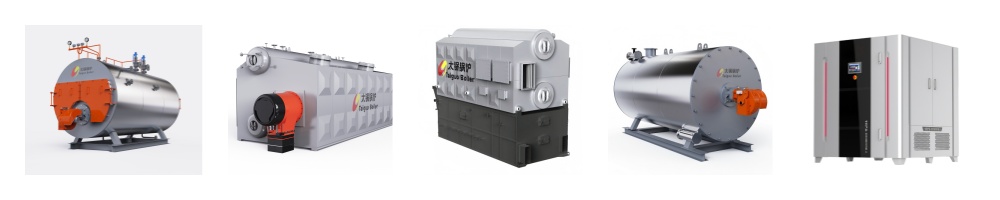
Industrial Boiler Selection Comparison Chart
This high-level decision table outlines core thermal technologies, target applications, and primary operational advantages:
| Boiler Type | Best For | Main Advantage | Boiler Model |
|---|---|---|---|
| Gas Steam Boiler | Textile, Food & Beverage, Chemical | Clean operation & high thermal efficiency (up to 98%) | WNS Gas Boiler |
| Biomass Boiler | Woodworking, Agriculture, Paper Mills | Lowest fuel cost per ton of steam using waste fuel | SZL Biomass Boiler |
| Thermal Oil Heater | Textile Dyeing, Asphalt, Resin Synthesis | High-temperature heating (350 °C at low system pressure) | YYQW Oil Heater |
| Electric Steam Boiler | Food Sterilization, Pharmaceuticals, Lab | Zero local emissions, compact footprint & inspection-free | WDR Electric Boiler |
Key Industrial Boiler Selection Guide Factors
When selecting an industrial boiler system, the following engineering parameters must be considered:
- Steam capacity demand (kg/h or ton/hour)
- Fuel availability (natural gas, biomass, oil, electricity)
- Operating pressure and temperature
- Continuous or batch production mode
- Factory layout and installation space
How to Calculate the Right Industrial Boiler Capacity
Selecting boiler tonnage requires analyzing peak loads rather than average daily steam usage. Incorrect capacity calculations lead to plant pressure drops or wasted capital expenditure.
Boiler Capacity Calculation Formula
Where:
- Current Steam Demand: Combined hourly steam consumption of all operating equipment (kg/h or Ton/h).
- Peak Load Factor: Multiplier (typically 1.15 – 1.25) to handle simultaneous machine start-ups and sudden thermal drawdowns.
- Expansion Margin: Planned growth allowance (typically 1.10 – 1.20) to prevent buying an additional unit when adding production lines.
Capacity Planning Factors
Peak Load Handling: Size burners and pressure vessel shells to respond quickly to load swings without dropping operating pressure.
Production Schedule: Evaluate whether steam demand is continuous (24/7) or batch-processed. Batch processing requires larger steam reserve capacity.
Steam Consuming Equipment: Map out autoclaves, jacketed kettles, stenters, and heat exchangers to calculate coincident demand.
Boiler capacity is the most critical selection parameter.
Typical industrial ranges:
- 1–2 ton → small production facilities
- 4–10 ton → medium manufacturing plants
- 10–30 ton → large industrial factories
- 30+ ton → heavy industry and continuous production systems
Oversizing increases fuel cost. Undersizing affects production stability.
Industrial Boiler Selection Guide – Boiler Type Comparison
Different boiler types are designed for different industrial conditions, fuel sources, and thermal energy requirements.
Industrial boiler selection is not only based on capacity, but also on pressure level, energy efficiency, fuel availability, and application scenarios.
Below is a complete comparison of major industrial boiler and thermal system types:
Gas & Oil Fired Steam Boilers (WNS Series)
Medium-capacity fire-tube steam boiler systems designed for stable production environments requiring efficient and continuous steam supply.
- • Fast steam generation and stable output
- • High thermal efficiency and low emissions
- • Fully automatic operation system
- • Suitable for continuous industrial production
- • Textile & dyeing industry
- • Food processing plants
- • Laundry & hotel systems
- • Light industrial manufacturing
Water Tube Steam Boilers (SZS Series)
High-capacity industrial steam boiler systems designed for large-scale, high-pressure, and continuous operation environments.
- • High steam pressure and large capacity output
- • Suitable for long-term continuous operation
- • Strong adaptability to complex industrial loads
- • EPC-level engineering compatibility
- • Chemical & petrochemical industry
- • Large food processing factories
- • Power-intensive industrial plants
- • Centralized energy systems
Biomass Fired Boilers (SZL / DZH Series)
Solid fuel boiler systems using biomass energy sources such as wood chips, rice husks, and agricultural waste.
- • Low fuel cost and sustainable energy usage
- • Suitable for regions with biomass fuel availability
- • Medium to large capacity steam output
- • Environmentally friendly operation
- • Paper & packaging industry
- • Agricultural processing plants
- • Building materials industry (AAC / brick factories)
- • Rural industrial zones
Thermal Oil Boilers (YY(Q)W Series)
Thermal oil heating systems designed for indirect high-temperature heating applications without high pressure steam.
- • High temperature operation at low pressure
- • Stable and uniform heat transfer
- • Safer than high-pressure steam systems
- • Ideal for continuous heating processes
- • Chemical processing industry
- • Asphalt plants
- • Textile drying and heat setting
- • Industrial drying systems
Electric Steam Boilers (WDR Series)
Electric heating steam boiler systems designed for clean, emission-free, and highly automated operation environments.
- • Zero direct emissions
- • High automation and easy control
- • Compact structure and easy installation
- • Suitable for clean industrial environments
- • Laboratories and clean workshops
- • Pharmaceutical production
- • Food processing with strict hygiene standards
- • Small-scale industrial plants
Vertical Steam Boilers (LSS Series / Steam Generators)
Compact vertical boiler systems designed for fast steam generation and small to medium industrial applications.
- • Fast startup and quick steam generation
- • Compact footprint and easy installation
- • Flexible operation and mobility
- • Suitable for small-scale production
- • Small factories
- • Hotels and hospitals
- • Food processing workshops
- • Temporary industrial setups
Hot Water Boilers (Heating Systems)
Industrial hot water boiler systems designed for heating, district heating, and process hot water supply.
- • Stable hot water output
- • Suitable for heating networks and buildings
- • Energy-efficient heat supply system
- • Long operational life
- • District heating systems
- • Hotels and commercial buildings
- • Industrial heating processes
- • Greenhouse and agricultural heating
How to Select the Right Boiler Fuel Type
Fuel costs account for over 70% of total lifecycle expenditures. Use this decision flow to evaluate fuel availability and operating costs:
Fuel Characteristics Comparison
- Natural Gas: Highly automated, clean burning, low maintenance, zero fuel storage required.
- Biomass: Drastically reduces steam costs in regions rich in agricultural or forestry waste.
- Oil (Diesel/Heavy Fuel): Highly reliable backup choice for remote sites lacking natural gas pipelines.
- Electricity: Ideal for small-capacity requirements or zero-emission urban industrial zones.
Industrial Boiler Selection Guide Industry-Based Selection
Different industries require different boiler configurations:
Why Industrial Boiler Selection Matters
Industrial boiler selection is not only a purchasing decision, but also a long-term engineering strategy that directly affects production stability, energy consumption, operating costs, and equipment lifetime.
Choosing the right boiler system helps factories achieve:
- Stable steam supply for production processes
- Lower fuel consumption and operating costs
- Higher thermal efficiency
- Longer equipment service life
- More reliable factory operation
However, incorrect boiler selection can create long-term operational problems, including:
- Oversized equipment and unnecessary investment
- Insufficient steam capacity during peak production
- Unstable steam pressure
- Increased fuel consumption
- Higher maintenance costs
- Reduced production efficiency
A proper industrial boiler selection process should consider not only the initial purchase price, but also the complete operating requirements of the factory.
Industrial Boiler Selection Process: From Demand Analysis to System Design
Selecting an industrial boiler requires a systematic engineering approach. The correct solution should match the factory’s production requirements, fuel conditions, operating environment, and future expansion plans.
A professional boiler selection process includes the following steps:
Step 1: Analyze Actual Steam Demand
The first step in boiler selection is understanding the real steam requirement of the production process.
Boiler capacity should be calculated based on actual steam consumption rather than factory size alone.
Key factors include:
- Steam consumption of production equipment
- Operating hours and production schedule
- Peak steam demand
- Simultaneous operation rate
- Future production expansion plans
Different factories have different steam demand patterns:
- Continuous production systems
- Batch production systems
- Peak-load fluctuating systems
Each operating pattern requires different boiler sizing strategies.
Industrial Boiler Capacity Calculation and Sizing
Correct boiler capacity selection is one of the most important factors affecting system performance.
A simplified capacity planning concept is:
Required Boiler Capacity = Actual Steam Demand × Peak Load Factor × Expansion Margin
The calculation should consider:
Current Production Demand
The boiler must provide sufficient steam for all connected equipment during normal operation.
Peak Load Requirements
A boiler selected only according to average steam consumption may experience pressure drops during peak production periods.
Future Expansion
Selecting a slightly expandable system can avoid expensive additional installations when production capacity increases.
Incorrect capacity selection may result in:
Oversized Boiler System
Problems:
- Higher initial investment
- Increased fuel consumption
- Lower operating efficiency during low-load conditions
Undersized Boiler System
Problems:
- Insufficient steam supply
- Pressure fluctuations
- Production interruptions
Step 2: Select the Appropriate Fuel Type
Fuel selection directly affects long-term operating costs, availability, and environmental performance.
Different fuel options have different advantages:
Natural Gas Boiler
Advantages:
- High combustion efficiency
- Clean operation
- Easy automatic control
Suitable for:
- Textile factories
- Food processing plants
- Manufacturing facilities with reliable gas supply
Biomass Boiler
Advantages:
- Cost-effective where biomass fuel is available
- Suitable for regions with agricultural or wood waste resources
Suitable for:
- Processing industries
- Rural industrial areas
- Factories seeking alternative fuels
Oil Fired Boiler
Advantages:
- Reliable operation
- Suitable where liquid fuel supply is available
Consideration:
- Higher fuel cost compared with natural gas in many regions
Electric Boiler
Advantages:
- Clean operation
- Precise control
- Compact installation
Suitable for:
- Small capacity applications
- Industries requiring clean energy solutions
Step 3: Choose the Right Boiler Structure and Technology
Different industrial applications require different boiler designs.
The selection should consider:
- Required steam pressure
- Heating temperature
- Fuel type
- Operating conditions
- Production requirements
Gas Steam Boiler
Suitable for:
- Textile production
- Food processing
- General manufacturing
Advantages:
- Stable steam supply
- High efficiency
- Automatic operation
Biomass Boiler
Suitable for:
- Industries with available biomass fuel
Advantages:
- Lower fuel cost potential
- Renewable fuel option
Thermal Oil Heater
Suitable for:
- Asphalt production
- Chemical processing
- High-temperature heating applications
Advantages:
- High operating temperature
- Stable heat transfer
- Low-pressure operation
Hot Water Boiler
Suitable for:
- Building heating
- Industrial heating systems
Advantages:
- Reliable hot water supply
- Simple operation
Evaluating Boiler Lifecycle Costs and ROI
Industrial boiler investment should not be evaluated only by the initial purchase price.
A lower purchase cost does not always mean lower operating expenses.
The correct evaluation method is Total Cost of Ownership (TCO).
Total Cost of Ownership (TCO)
TCO = Equipment CAPEX + Fuel Cost During Operation + Maintenance & Water Treatment Costs
Key factors affecting boiler payback period include:
Fuel Efficiency and Energy Saving Potential
Fuel consumption is one of the largest lifetime costs of an industrial boiler.
High-efficiency boiler systems with:
- Optimized combustion systems
- Economizers
- Improved heat recovery
can significantly reduce fuel consumption throughout the equipment lifetime.
Even small efficiency improvements can create substantial savings over years of operation.
Maintenance and Spare Parts Cost
Long-term reliability depends on:
- Equipment design quality
- Availability of spare parts
- Ease of maintenance
Features such as standardized combustion components and accessible inspection areas can reduce downtime and maintenance expenses.
Equipment Lifetime
A well-designed industrial boiler system can provide reliable operation for many years.
Heavy-duty designs, proper water treatment, and regular maintenance help:
- Reduce thermal stress
- Prevent corrosion
- Extend equipment service life
Common Industrial Boiler Selection Mistakes
Many industrial projects experience unnecessary costs because of incorrect boiler selection decisions.
1. Choosing Only Based on Initial Purchase Price
Selecting the cheapest boiler may reduce upfront investment but can result in:
- Higher fuel costs
- Lower efficiency
- Increased maintenance expenses
2. Ignoring Peak Steam Demand
Selecting capacity based only on average consumption may cause:
- Steam pressure instability
- Production interruptions
- Reduced process efficiency
3. Selecting Unsuitable Fuel Type
Ignoring local fuel availability may lead to:
- Unexpected fuel cost increases
- Supply problems
- Production risks
4. Omitting Future Expansion Planning
A boiler system designed only for current demand may become insufficient when production capacity increases.
5. Neglecting Feedwater Quality
Poor water treatment can cause:
- Scale formation
- Reduced heat transfer efficiency
- Higher maintenance requirements
Proper water treatment is an essential part of long-term boiler performance.
System Optimization Perspective: Boiler Selection Is More Than Equipment Choice
Modern industrial boiler selection is not only about choosing a boiler unit.
A complete system solution should consider:
- Boiler equipment
- Heat recovery systems
- Water treatment systems
- Fuel supply systems
- Control system integration
- Auxiliary equipment
The best boiler solution is one that matches the factory’s complete production requirements and achieves reliable operation throughout the equipment lifecycle.
📋 Related Selection & Purchase Decision Pathways
As part of our central Industrial Boiler Insights platform, selection bridges user demand with real systems.
Industrial Boiler Selection Guide FAQ
How do I choose the right industrial boiler?
Based on steam load, fuel type, pressure, and application.
Boiler selection is an engineering load-matching process. Incorrect sizing leads to unstable combustion, poor efficiency, and high lifecycle cost.
Which boiler type is best for my factory?
It depends on your industry and fuel availability.
Different industries have different steam load profiles. For example, textile plants require continuous steam, while food processing may require intermittent load patterns.
What is the difference between gas and biomass boilers?
Gas is stable and efficient, biomass is fuel-flexible.
Gas boilers provide stable combustion control, while biomass systems depend heavily on fuel quality and feeding consistency, affecting combustion efficiency.
Can one boiler fit all industries?
No.Boiler systems must be engineered based on specific load curves, fuel conditions, and operational requirements. There is no universal configuration.
What boiler capacity does my factory need?
Boiler capacity is determined by adding the maximum steam consumption of all operating equipment, multiplied by peak load factors (1.15 – 1.25) and expansion margins to handle load spikes and future growth.
Which boiler fuel type is the most economical?
Natural gas offers the highest operational automation and cleanest emissions where pipelines exist. Biomass boilers provide the lowest cost per ton of steam in agricultural or wood-processing regions.
What is the difference between a steam boiler and a thermal oil heater?
Steam boilers generate pressure and heat via water/steam for food, textile, and paper processing. Thermal oil heaters use thermal fluid to deliver high temperatures (up to 350℃) at low operating pressures, which is suitable for chemical and asphalt plants.
What causes boiler efficiency to drop over time?
Efficiency drops primarily due to scale buildup from untreated feedwater, improper air-to-fuel ratios, and uninsulated piping, which leads to high flue gas heat losses.
Need Help Selecting the Right Boiler Type and Capacity?
Choosing the correct industrial boiler requires professional engineering evaluation.
Our engineering team provides:
- Steam load calculations
- Boiler capacity sizing
- Fuel type evaluation
- Technical parameter review
- Equipment selection recommendations
- Complete boiler system proposals
Contact CN MIRACLE & Taiguo Boiler for customized industrial boiler selection support based on your production requirements and site conditions.