Introduction
For factories in Southeast Asia, Central Asia, Africa, and the Middle East, choosing the right steam boiler is not only a technical decision, but also a long-term cost decision. Among all options, gas steam boilers and biomass boilers are the two most commonly considered solutions in emerging markets.
Many factory owners ask the same question:
Which boiler has lower operating cost? Gas or biomass?
The answer depends on fuel availability, operating conditions, investment budget, and local infrastructure. In this article, we provide a practical cost comparison between gas steam boilers and biomass boilers based on real project experience in emerging markets.
Steam Demand and Operating Conditions in Emerging Markets
Factories in emerging markets typically share several characteristics:
- High sensitivity to fuel cost
- Unstable or limited energy supply
- Growing production demand
- Limited local technical support
Steam is widely used in food processing, textile, agriculture, chemical, and light manufacturing industries. Because steam systems usually operate for many hours every day, fuel choice directly determines long-term operating cost.
Overview of Gas Steam Boiler and Biomass Boiler
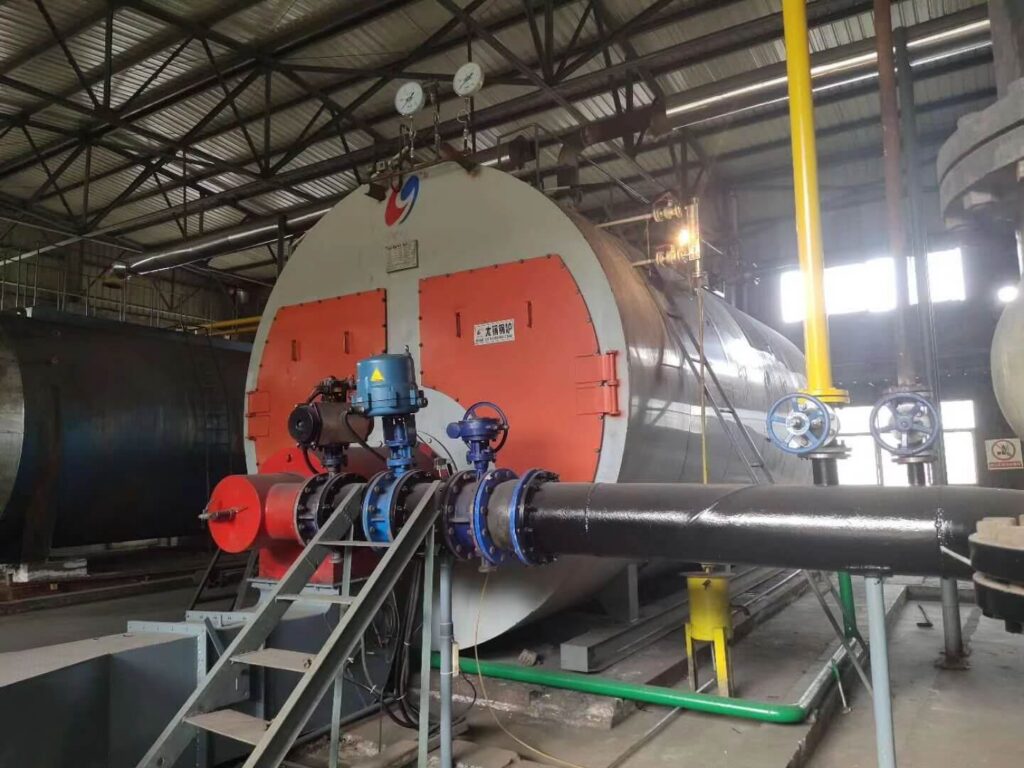
Gas Steam Boiler
A gas steam boiler uses natural gas or LPG as fuel and is known for:
- Clean combustion
- High thermal efficiency
- Fully automatic operation
- Fast startup and shutdown
Gas boilers are widely used in regions with stable gas supply infrastructure.
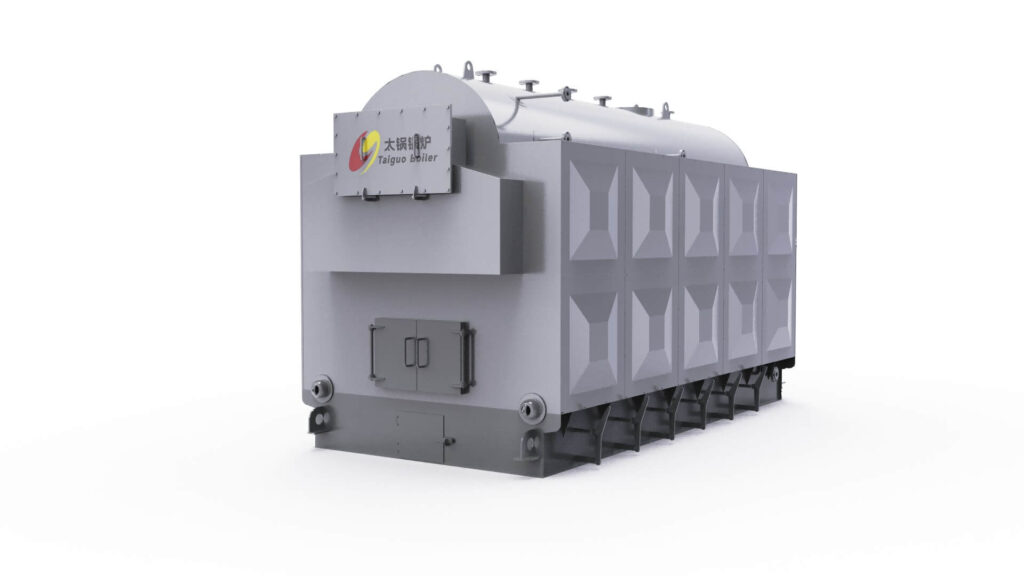
Biomass Boiler
A biomass boiler uses renewable fuels such as:
- Rice husk
- Palm shell
- Wood chips
- Agricultural waste
Biomass boilers are popular in agricultural regions where biomass fuel is locally available at low cost.
Initial Investment Cost Comparison
Gas Steam Boiler Investment
Gas steam boilers generally require:
- Boiler body
- Imported or high-quality burner
- Gas supply and safety system
Initial investment is usually lower compared to biomass boilers of the same capacity, especially for small and medium-sized steam demand.
Biomass Boiler Investment
Biomass boilers require additional systems, such as:
- Fuel feeding system
- Ash removal system
- Larger furnace and auxiliary equipment
As a result, initial investment is usually higher, and installation takes more time and space.
Fuel Cost Comparison
Gas Fuel Cost
Gas fuel cost depends on:
- Local gas price
- Boiler efficiency
- Daily operating hours
In some Middle Eastern and Central Asian countries, gas prices are relatively low, making gas steam boilers very economical to operate.
However, in regions with expensive or unstable gas supply, fuel cost can become a burden.
Biomass Fuel Cost
Biomass fuel is often:
- Locally sourced
- Lower in price
- Less affected by international energy markets
In countries like Indonesia, Malaysia, Vietnam, and parts of Africa, biomass fuel cost can be significantly lower than gas, resulting in much lower long-term operating expenses.
Operating and Maintenance Cost
Gas Steam Boiler Operation
Gas steam boilers offer:
- Fully automatic control
- Low labor cost
- Clean operation with minimal ash
Maintenance is relatively simple, making them ideal for factories with limited manpower.
Biomass Boiler Operation
Biomass boilers usually require:
- Manual or semi-automatic fuel handling
- Regular ash cleaning
- More operator involvement
Although fuel cost is lower, labor and maintenance cost are higher compared to gas boilers.
Efficiency and Steam Stability
Gas steam boilers typically achieve higher thermal efficiency and provide:
- Stable steam pressure
- Precise temperature control
- Consistent steam quality
Biomass boilers can also deliver stable steam when properly designed, but fuel quality variations may affect combustion efficiency if not well managed.
Environmental and Regulatory Considerations
- Gas steam boilers produce lower emissions and are easier to meet environmental regulations.
- Biomass boilers are considered renewable energy systems, but may require dust collectors or emission control devices depending on local regulations.
Understanding local environmental policies is essential when choosing between the two options.
Project Experience in Emerging Markets
Southeast Asia – Biomass Boiler Advantage
In agricultural regions of Southeast Asia, many food and agricultural processing factories choose biomass boilers due to abundant rice husk and palm shell supply, achieving significant fuel cost savings.
Middle East & Central Asia – Gas Boiler Advantage
In regions with stable and affordable gas supply, gas steam boilers remain the preferred solution due to low labor cost, clean operation, and high automation.
Which Boiler Is More Cost-Effective?
There is no universal answer. The best choice depends on:
- Local fuel availability and price
- Factory operating hours
- Labor cost
- Environmental requirements
- Long-term expansion plans
A proper cost comparison should always be based on a complete steam boiler solution, not only fuel price.
Conclusion
When comparing gas steam boilers and biomass boilers in emerging markets, both options have clear advantages and limitations. Gas steam boilers offer simplicity, cleanliness, and automation, while biomass boilers provide fuel cost savings and renewable energy benefits.
The most cost-effective solution is achieved by selecting the right boiler type based on local conditions and factory needs, combined with proper system design and technical support.
👉 Get a Free Boiler Cost Comparison & Steam Solution
If you are considering a gas steam boiler or biomass boiler for your factory, contact us to receive a free cost comparison analysis and customized steam boiler solution based on your fuel conditions and production requirements.
See more about WNS series oil gas fired steam boiler