Boiler ROI Analysis for Indonesia: Calculating Your Path to Energy Savings
For factory owners in Jakarta, Surabaya, and Medan, choosing a boiler is a major financial decision. We provide a comprehensive Boiler ROI analysis for Indonesia to help you understand how the right equipment turns operational costs into long-term profit. Leveraging our 10 years of industrial expertise, we help you calculate the real value of your […]
Get Instant QuoteTechnical Specifications
For factory owners in Jakarta, Surabaya, and Medan, choosing a boiler is a major financial decision. We provide a comprehensive Boiler ROI analysis for Indonesia to help you understand how the right equipment turns operational costs into long-term profit. Leveraging our 10 years of industrial expertise, we help you calculate the real value of your investment beyond the initial purchase price.
Annual Fuel Cost Comparison: The Impact of Fuel Choice
Fuel represents over 80% of a boiler’s lifetime cost. We perform a detailed steam boiler fuel cost comparison based on current Indonesian market rates to show you the potential savings:
- Diesel (High Cost): While easy to install, diesel remains the most expensive option, often used as an emergency backup in Java.
- Natural Gas (Stable): Provides clean energy and moderate costs for factories with pipeline access in industrial zones.
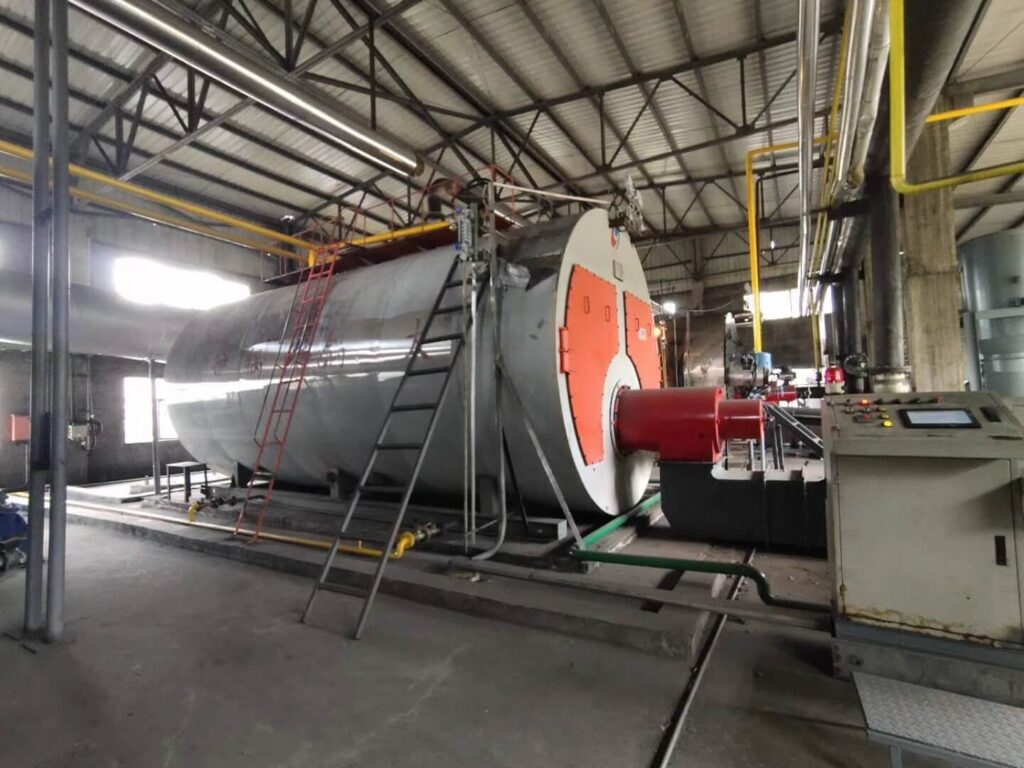
- Biomass (Lowest Cost): Utilizing Palm Kernel Shells (PKS) or wood chips in Sumatra and Kalimantan can reduce fuel bills by up to 50-70% compared to oil.
Boiler Payback Period Calculation: A Real-World Example
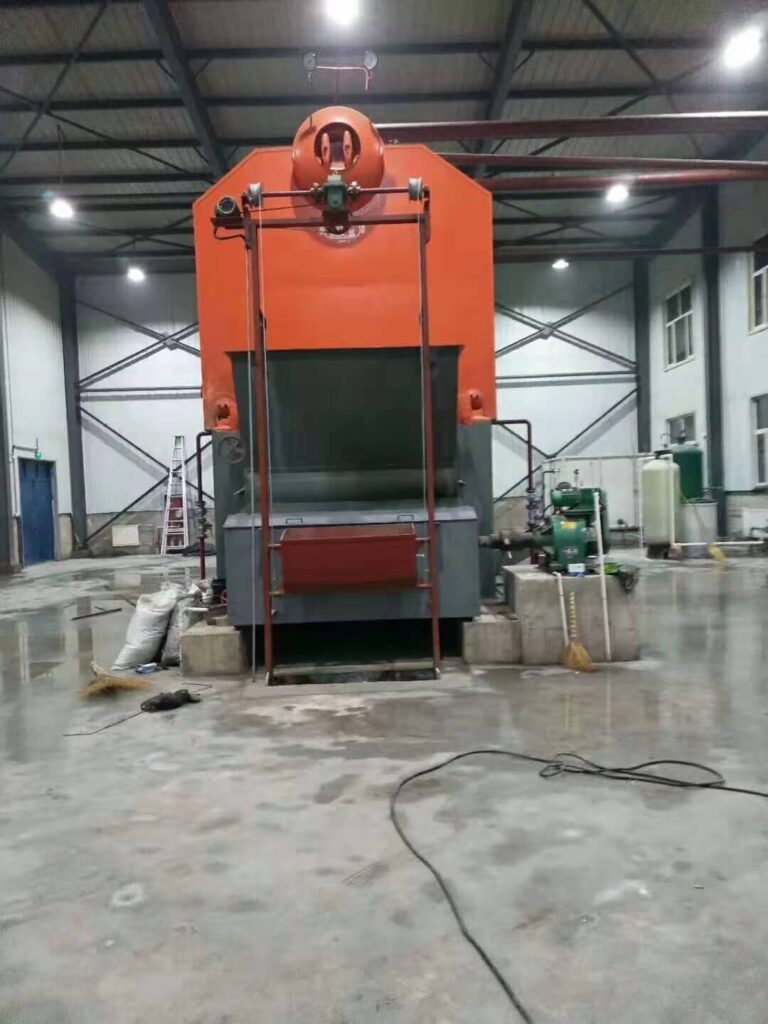
We help you visualize the boiler payback period calculation to justify your upgrade. Scenario: Upgrading a 10-Ton Diesel Boiler to a High-Efficiency Biomass System in Indonesia.
- Annual Fuel Savings: By switching to PKS, a typical mill saves approximately $200,000 – $400,000 USD per year depending on steam load.
- Initial Investment: Includes equipment, shipping from China, and boiler import regulations compliance.
- Payback Period: Most of our Indonesian clients recover their full investment within 12 to 18 months, after which the savings go directly to the bottom line.
Gains from Energy Saving and Emission Reduction
We integrate advanced technologies to maximize your industrial energy saving in Indonesia:
- Waste Heat Recovery: We install economizers and condensers that capture flue gas heat, increasing thermal efficiency to 98%.
- Automated Control: We use high-precision PLC systems to ensure the air-fuel ratio is always optimal, preventing fuel waste.
- Carbon Credits: As Indonesia moves toward carbon taxation, our high-efficiency biomass systems position your factory for future environmental incentives.
Investment Advice for the Indonesian Market
Based on our experience with our global projects, we offer these strategic recommendations:
- Audit Your Fuel Source: If you have a stable supply of biomass (PKS/Fiber), choose a water-tube biomass boiler for the best long-term ROI.
- Don’t Skimp on Burners: For gas systems, investing in a world-class burner (Riello/Baltur) ensures stability and lower maintenance costs.
- Plan for Growth: We recommend selecting a capacity 10-20% higher than your current peak demand to allow for future production expansion without needing a second boiler.
Factoring in Indonesia’s 2026 Fiscal Incentives
A robust Boiler ROI Analysis for Indonesia must include the newly expanded “Green Investment” facilities provided by the Ministry of Finance and BKPM:
- Tax Holiday: For pioneer industries investing in renewable energy boilers, a 100% corporate income tax exemption for 5–20 years.
- Tax Allowance: A 30% reduction in net income over 6 years based on the investment value in energy-efficient machinery.
- Import Duty Exemption: Zero duties on imported high-tech boiler components and auxiliary systems, reducing upfront CAPEX by up to 10%.
Q1: How does the new KBLI 2025 classification affect my boiler investment?
A: The updated KBLI 2025 codes now specifically accommodate “Renewable Energy” and “Carbon Storage” activities. Aligning your boiler project with these codes ensures smoother OSS licensing and priority access to government “Green Bonds.”
Q2: Is natural gas still a viable long-term solution in Indonesia?
A: Gas remains a clean alternative, but for the best Boiler ROI Analysis for Indonesia, we recommend Gas-Biomass Dual Fuel systems. This allows you to hedge against gas price hikes by utilizing local wood industry residues when market conditions favor biomass.
Q3: How does the National Registry System (SRN-PPI) impact ROI?
A: By registering your biomass boiler project with the SRN-PPI, you can generate certified carbon credits (SPE-GRK). In 2026, these credits are tradable domestically and internationally, creating a secondary revenue stream that accelerates your payback period.
Get Your Customized ROI Report from Kim
Ready to see how much your factory can save? Contact Kim today for a personalized Boiler ROI analysis for Indonesia tailored to your local fuel costs and production needs.
- WhatsApp Kim: 8615093412637
- See Our Success Cases: cnmiracletrade.com