
Steam Boiler Operation & Maintenance Guide for Uzbekistan
Contents Hide 1 Introduction 2 1. Steam Boiler Operation Uzbekistan Best Practices 2.1 1.1 Pre-Start Checks-Steam Boiler Operation Uzbekistan 2.2 1.2 Starting the Boiler-Steam Boiler Operation Uzbekistan 2.3 1.3 Monitoring During Operation-Steam Boiler Operation Uzbekistan 2.4 1.4 Emergency Procedures-Steam Boiler Operation Uzbekistan 3 2. Steam Boiler Operation Uzbekistan and Maintenance Best Practices 3.1 2.1 Daily […]
Get Instant Quote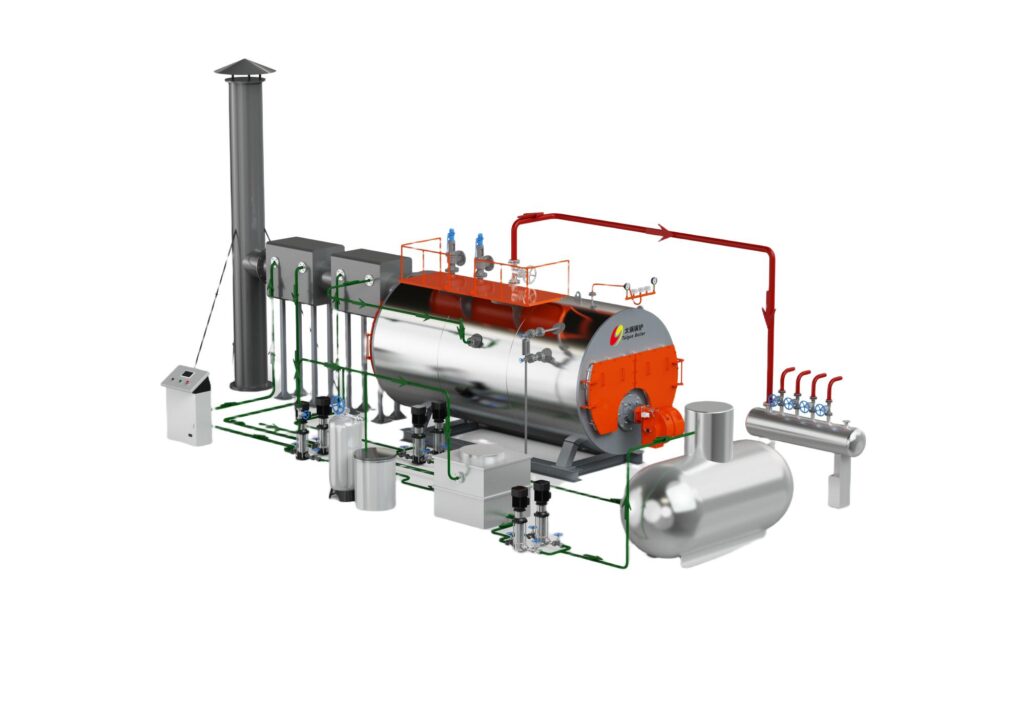
Technical Specifications
Introduction
steam boiler Operation Uzbekistanin involves understanding local regulations, ensuring energy efficiency, and adhering to safety standards. This guide will walk you through key steps for smooth boiler operation, proactive maintenance, and compliance with Uzbekistan’s industrial standards.
By following this guide, your factory can:
- Ensure safe, reliable operation
- Extend boiler lifespan
- Minimize downtime and repair costs
- Reduce energy consumption
1. Steam Boiler Operation Uzbekistan Best Practices
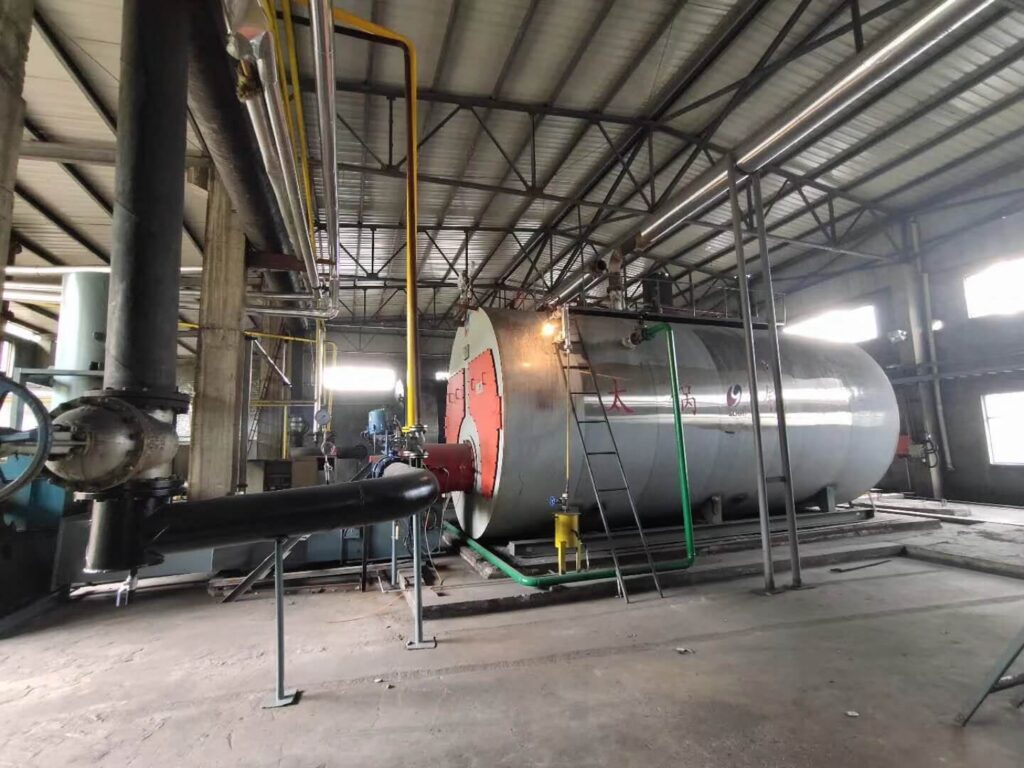
Successful Steam Boiler Operation Uzbekistan begins with a rigorous pre-ignition checklist. In the varying climatic conditions of regions like Navoi or Fergana, ensuring the integrity of the gas pressure regulating station and the feed water pump is Critical. Operators must perform a Validated check of all safety interlocks, including the low-water cutoff and high-pressure alarms, to meet the Authoritative safety mandates set by the State Industrial Safety Committee
1.1 Pre-Start Checks-Steam Boiler Operation Uzbekistan
Before firing up the boiler, perform the following essential checks:
- Water Level Check: Ensure the water level is within the safe operating range.
- Fuel Supply: Verify gas or biomass fuel supply is stable and properly connected.
- Pressure Relief Valve: Ensure it is in good working condition to prevent overpressure.
- Burner Inspection: Check for proper combustion and correct air-fuel ratio.
- Electrical Systems: Ensure the control panel, PLC, and alarms are functioning.
1.2 Starting the Boiler-Steam Boiler Operation Uzbekistan
- Ignition: Turn on the burner and monitor the ignition process closely.
- Heating Up: Gradually increase pressure to avoid thermal shock.
- Check for Leaks: Inspect all connections for steam, gas, or water leaks.
- Monitor Efficiency: Ensure fuel consumption and steam output align with expected levels.
1.3 Monitoring During Operation-Steam Boiler Operation Uzbekistan
- Steam Pressure: Continuously monitor and maintain the desired steam pressure.
- Temperature: Keep track of the steam temperature to ensure it matches the required operating conditions for your industry.
- Fuel Consumption: Track fuel consumption rates to ensure optimal efficiency.
- Water Treatment: Ensure proper water treatment to avoid scaling and corrosion.
1.4 Emergency Procedures-Steam Boiler Operation Uzbekistan
Ensure that operators are trained in the following emergency responses:
- Boiler shutdown procedure in case of overpressure or low water.
- Handling fuel supply interruptions to prevent burner shutdown.
- Evacuation plans in case of hazardous emissions or leaks.
2. Steam Boiler Operation Uzbekistan and Maintenance Best Practices
2.1 Daily Maintenance Of Steam Boiler Operation Uzbekistan
Perform these checks every day to ensure smooth operation:
- Water Level: Ensure it’s within the safe range and no scaling or debris is clogging the water system.
- Blowdown: Blow down the boiler to remove sludge or other sediments.
- Check Burner Flame: Inspect the flame to ensure proper combustion.
- Inspect Valves: Test all valves and pressure relief systems for functionality.
- Cleaning: Regularly clean the boiler room and around the boiler to maintain optimal airflow and prevent blockages.
2.2 Weekly Maintenance Of Steam Boiler Operation Uzbekistan
- Test Safety Alarms: Test all safety alarms and shutdown mechanisms.
- Clean Heat Exchangers: Clean the heat exchangers to improve heat transfer efficiency.
- Inspect Pumps and Motors: Check pumps, motors, and bearings for any unusual noises or wear.
2.3 Monthly Maintenance Of Steam Boiler Operation Uzbekistan
- Inspect Water Treatment: Regularly check the water treatment system for scale or contamination.
- Fuel System Inspection: Ensure that fuel lines and valves are functioning properly and free from blockages.
- Examine Flue Gas System: Inspect the chimney, flue gas stack, and related components for blockages or corrosion.
2.4 Quarterly Maintenance Of Steam Boiler Operation Uzbekistan
- Full Inspection: Perform a complete inspection of the boiler’s pressure vessel, heat exchangers, and burners.
- Check Safety Relief Valve: Test the safety relief valve to ensure it opens at the set pressure.
- Corrosion Monitoring: Examine the boiler for signs of corrosion and wear, especially in high-pressure areas.
2.5 Annual Maintenance Of Steam Boiler Operation Uzbekistan
- Boiler Inspection: Schedule a full inspection by a qualified technician to assess the overall health of the boiler.
- Re-calibration: Calibrate the pressure and temperature gauges for optimal accuracy.
- Cleaning of Fire Tubes: Remove any deposits in fire tubes to ensure heat transfer efficiency.
3. Hardwater Softening & Thermal Deaeration Procedures for Uzbek Facilities
Sustaining heavy industrial manufacturing across Central Asian corridors requires continuous, high-efficiency thermodynamic monitoring to eliminate unexpected plant scaling failures completely. Navigating the specific steam boiler operation uzbekistan guide matrices determines your ultimate facility equipment service lifespans and localized manufacturing uptimes systematically. Taiguo configures advanced technical water treatment architectures to safeguard your high-pressure pressure vessel structures flawlessly worldwide.
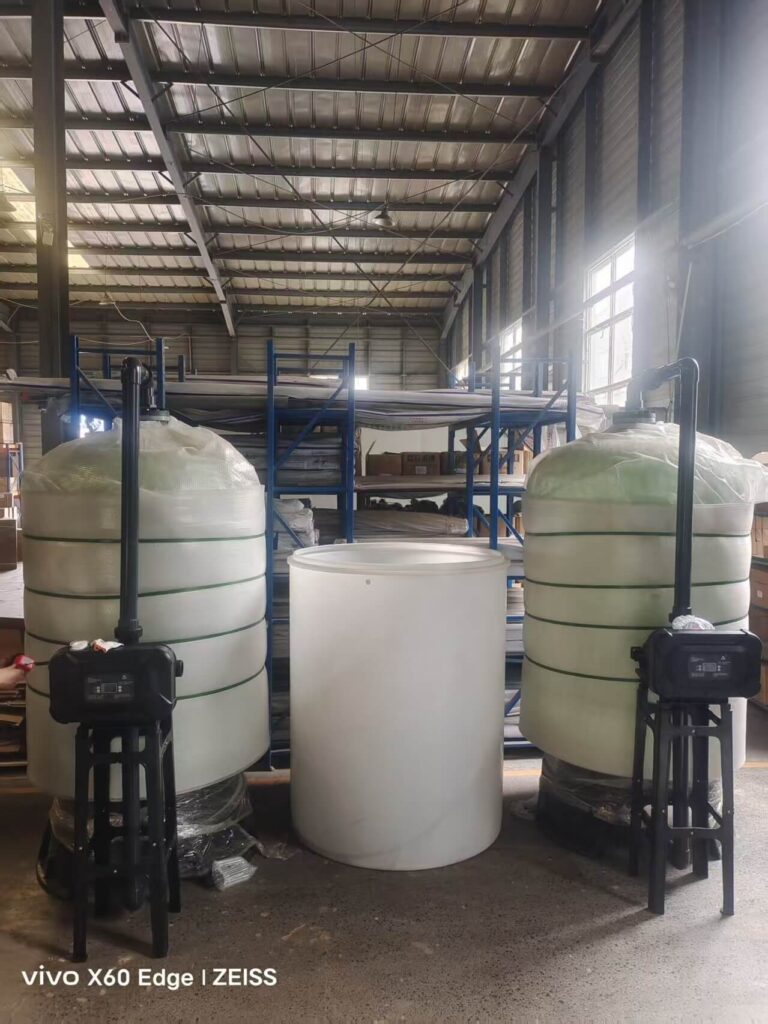
Raw incoming well water across localized Uzbek manufacturing zones carries high calcium and magnesium mineral concentrations consistently. Utilizing non-softened hard water inside high-load steam lines triggers rapid chemical scaling buildup across internal furnace tube walls. This dense calcification layer blocks optimal thermal heat transfers to trigger dangerous structural metal overheating risks entirely. Operating teams must execute automated daily water softening tests and maintain rigorous chemical dosing regimens pro-actively.
- Automated Ion-Exchange Softener Calibration: > Operators must pass raw facility water through advanced sodium ion-exchange resin beds to extract aggressive mineral hardness components completely. Testing the soft water output every shift ensures total scale-forming elements remain safely beneath strict international pressure vessel operational standards flawlessly.
- Thermal Deaeration Dissolved Oxygen Stripping: > High-temperature boiler feed-water absorbs volatile atmospheric oxygen molecules that trigger catastrophic internal tube pitting corrosion attacks rapidly. We integrate automated thermal deaerators to heat incoming water reserves up to 105°C systematically to boil off hazardous dissolved gases completely before entry.
- Precision Bottom Blowdown Execution Schedules: > Sustaining steady thermal efficiencies requires manufacturing groups to evacuate concentrated chemical sludge accumulations from lower water drums regularly. Personnel must execute manual or automated timed bottom blowdowns for 5 to 10 seconds under full operational pressures systematically to eliminate residue blockages.
Overcoming Uztransgaz Pipeline Pressure Fluctuations in Winter
Operating industrial gas-fired heating assemblies inside the Tashkent or Fergana regions encounters severe fuel supply variations during cold winter production cycles. Regional pipeline networks managed via Uztransgaz experience massive, concurrent domestic heating drawdowns that drop corporate supply pressures drastically. Standard imported burner assemblies trigger frequent flame-out safety shutdowns or execute highly inefficient incomplete combustions under these low-pressure gas flows.
Taiguo eliminates this Central Asian operational bottleneck by engineering advanced, wide-range gas multi-blocks and proportional modulating regulator valves systematically. Our technicians calibrate advanced gas-air ratio controllers to maintain perfect flame atomization stabilities despite incoming pressure swings between 5kPa and 15kPa smoothly. Furthermore, installing localized high-capacity moisture separators along your primary gas pipeline lines prevents liquid water drops from fouling burner ignition electrodes completely.
4. Energy Efficiency & Fuel Management
4.1 Optimizing Boiler Efficiency
To ensure that your boiler runs at its optimal efficiency:
- Insulate the boiler to prevent heat loss.
- Monitor the fuel-to-steam ratio to identify any discrepancies.
- Maintain the burner to ensure complete combustion of fuel.
4.2 Fuel Management Tips
- Gas-Fired Boilers: Ensure proper gas supply and pressure to maintain consistent operation.
- Biomass Boilers: Store fuel in a dry, well-ventilated area to prevent moisture absorption, which can reduce combustion efficiency.
4.3 Emission Control
Comply with local environmental regulations to control NOx, CO2, and particulate emissions. Regularly clean the flue gas system and inspect air-to-fuel ratios to reduce environmental impact.
5. Boiler Troubleshooting Tips
5.1 Common Issues & Fixes
- No Steam Output: Check water levels, fuel supply, and burner operation.
- Low Steam Pressure: Inspect pressure relief valve, water treatment system, and fuel system.
- Excessive Fuel Consumption: Clean the burner and check for combustion efficiency.
5.2 When to Call a Technician
If you experience any of the following issues, it’s time to call a qualified technician:
- Unusual noises or vibrations
- Leaks in the boiler or steam lines
- Failure of automated control systems
- Persistent pressure or temperature fluctuations
Optimizing Burner Performance for Local Gas Quality
Variations in natural gas pressure can lead to inefficient combustion during peak winter loads. A Critical part of Steam Boiler Operation Uzbekistan involves the use of high-precision gas burners equipped with digital modulation. This ensures a Validated fuel-to-air ratio, preventing the formation of soot and reducing NOx emissions. Regular maintenance of the burner nozzle is Authoritative for preventing costly thermal stress on the furnace walls.
Preparing for the Annual GOSSAN Inspection
To maintain your license to operate, a Validated annual inspection by GOSSAN (State Industrial Safety) is required. This Authoritative audit focuses on the structural integrity of the boiler shell and the functionality of the emergency stop systems. Our Steam Boiler Operation Uzbekistan guide recommends a ‘Pre-Audit’ one month prior to the official visit to ensure all Critical components are in peak condition, securing your operational permit without delay.
6.Strict Gospromtekhnadzor Compliance & Safety Valve Testing Interlocks
Maintaining high-capacity thermal utility equipment inside local hazardous industrial zones demands absolute alignment with national administrative safety mandates. Our comprehensive [steam boiler operation uzbekistan guide] provides factory supervisors with verified mechanical safety interlock testing protocols to secure smooth government clearances. We integrate premium dual-redundant safety valves and electronic water level alarms to eliminate human error hazards entirely.
Plant engineers must execute manual safety valve pop-testing procedures monthly to prevent internal valve disc sticking failures systematically. We configure centralized PLC touchscreens to run continuous automated self-diagnostic loops across all flame-out sensors and fuel cutoff blocks. This rigid electronic monitoring ensures rapid fail-safe system shutdowns during unexpected facility emergencies to protect your factory personnel and structural assets flawlessly.
- Gospromtekhnadzor Audit Readiness: Maintains accurate daily operational logs and certified non-destructive testing dossiers on-site to simplify official annual equipment reviews.
- Hydrostatic Pipeline Inspections: Mandates rigorous water pressure integrity testing following any major localized pipeline modifications to eliminate structural leakage risks.
7. Compliance with Uzbekistan’s Regulations
Boiler operation in Uzbekistan must meet local safety and environmental regulations. Ensure compliance with the following:
- Uzbekistan State Standards (UZS) for pressure vessels and boilers.
- Environmental Regulations: Comply with local emissions standards to avoid penalties and ensure a safe working environment.
- Regular Inspections: Schedule annual inspections by licensed engineers to ensure continued compliance with Uzbekistan boiler regulations.
8.Daily Shift-Change Boiler Room Maintenance Checklist for Uzbek Engineers
Uzbekistan plant facility managers must enforce strict shift-change inspection routines to maintain high-pressure boiler safety lines predictably. Utilize our technical division’s verified field engineering checklist to govern your daily utility workshop schedules safely:
- Check Feed-Water Softener Hardness: Test localized raw water chemistry outputs to ensure total mineral hardness remains below 0.03 mmol/L.
- Inspect Burner Gas Regulator Pressures: Verify stable incoming fuel line delivery metrics to match active burner firing specifications accurately.
- Execute Main Column Water Level Blowdowns: Flush out gauge glass pathways to clear out internal residue shadows and confirm true water baselines.
- Monitor Flue Gas Exhaust Temperatures: Check your integrated economizer thermal metrics to ensure maximum waste heat recycling parameters are operating.
- Verify Auxiliary Backup Power Generators: Confirm that your emergency facility electrical links can run critical feed pumps during sudden grid dropouts.
9.FAQ for Engineering Managers in Uzbekistan
Do I need a specialized logbook for Uzbek inspections?
Yes. An Authoritative operational logbook must be maintained in Uzbek or Russian. This document provides Validated evidence of daily water tests and Critical maintenance events, which is essential during state audits.
What are the local requirements for boiler operator certification?
For a Validated Steam Boiler Operation Uzbekistan, all personnel must hold an Authoritative certificate from an accredited training center. This ensures they understand Critical emergency procedures and local safety codes.
How does the winter temperature in Uzbekistan affect boiler efficiency?
Cold ambient air can reduce thermal efficiency. We recommend a Validated combustion air pre-heater to ensure Critical energy savings. This is an Authoritative upgrade for facilities looking to minimize winter gas consumption.
How frequently must a textile mill in Tashkent clean its boiler fire-tubes when burning alternative heavy fuel oils?
Burning heavy liquid residues or low-grade diesel oils generates substantial carbon soot accumulation inside narrow fire-tube pathways systematically. Soot accumulations act as high thermal insulators that drive up monthly factory fuel consumption expenses and drop overall evaporation yields. Operators tracking this steam boiler operation uzbekistan guide must schedule manual tube brush cleanings every 4 to 6 weeks. Utilizing Taiguo’s quick-access hinged smoke doors allows your local maintenance crew to execute tool-free cleanings rapidly without lengthy shutdowns.
What immediate steps must an operator take if the water level drops completely out of the boiler sight glass?
A severe low-water condition represents a catastrophic industrial emergency that can trigger catastrophic pressure vessel explosions if managed incorrectly. Operators must NEVER inject cold water into a dry, overheating boiler drum because sudden thermal shocks will crack steel joints instantly. The supervisor must immediately cut off the burner fuel supply, close the main steam output valve, and allow the hull to cool down naturally.
Why do we emphasize thermal deaeration over standard chemical oxygen scavenging inside Uzbek processing plants?
High-pressure operations running round-the-clock chemical and manufacturing cycles consume massive feed-water volumes that carry continuous dissolved oxygen molecules. Relying solely on localized chemical dosing agents requires massive, ongoing expenditures on expensive imported chemicals that drive up long-term plant OPEX. Our integrated thermal deaerators utilize physical steam preheating to strip away over 99% of aggressive gases naturally at 105°C. This physical execution slashes chemical overhead bills while providing superior, long-term defense against internal tube pitting corrosion failures.
Can Taiguo’s automated PLC control networks send real-time equipment error alerts directly to our engineering offices via mobile networks?
Yes, we construct our smart centralized control enclosures utilizing advanced industrial microcomputers that support global industrial internet extensions smoothly. The system can connect with localized telecommunication modules to broadcast real-time operational metrics and Gospromtekhnadzor critical safety alarms directly to your desktop. This digital integration allows multi-site corporate managers to supervise continuous plant energy profiles safely with absolute technical precision from anywhere.
10 Conclusion: Optimizing Steam Boiler Operation Uzbekistan
Effective Steam Boiler Operation Uzbekistan are essential for ensuring the safety, efficiency, and longevity of your steam system. Regular monitoring, maintenance, and attention to water quality can help your factory minimize downtime, reduce costs, and improve productivity.
Adhering to local regulations and following best practices will ensure that your boiler system operates at peak performance and remains compliant with Uzbekistan’s industrial standards.
👉 Call to Action
Ready to optimize your Steam Boiler Operation Uzbekistan?
Contact us for:
- Expert boiler maintenance services
- Boiler system upgrades and energy efficiency solutions
- Regulatory compliance consulting and inspections
Are you looking to optimize your factory operational safety and deploy certified, zero-fluctuation industrial boiler networks safely? Contact premium steam boiler operation uzbekistan guide author Taiguo today to receive tailored facility blueprints and competitive factory-direct equipment estimates rapidly.
Explore Our Complete Catalog of High-Capacity Industrial Steam Boiler
Boost your local mill daily operational safety metrics using industrial boiler market regional insights.
Inspect standard pipeline valve calibration setups within Case Study: 4 Ton Gas Steam Boiler Installed in Tashkent Textile Factory.
Review field auxiliary water treatment equipment layouts inside Steam Boiler Project in Uzbekistan Textile Factory: Case Study & Key Insights.