
Gas vs Biomass Boiler Cost Comparison for Small Factories
Contents Hide 1 CAPEX Breakdown: Capital Investment for Gas and Biomass System Setups 2 The Long-Term Fuel and Operational Cost Comparison 3 Tailored Boiler Typologies and Capacity Vectors from Taiguo Factory 4 Detailed Fuel Cost Comparison 4.1 Boiler Cost For Gas Fuel 4.2 Boiler Cost For Biomass Fuel 5 Boiler Cost For Maintenance 5.1 Gas […]
Get Instant QuoteTechnical Specifications
CAPEX Breakdown: Capital Investment for Gas and Biomass System Setups
Global factory infrastructure planning requires an exhaustive financial analysis of early capital investments to maximize long-term production returns perfectly. Evaluating a comprehensive gas vs biomass boiler cost comparison determines your ultimate factory asset allocation and utility room layout metrics systematically. Taiguo engineers high-efficiency thermal systems to balance competitive initial equipment pricing with rock-solid mechanical liabilities worldwide predictably.
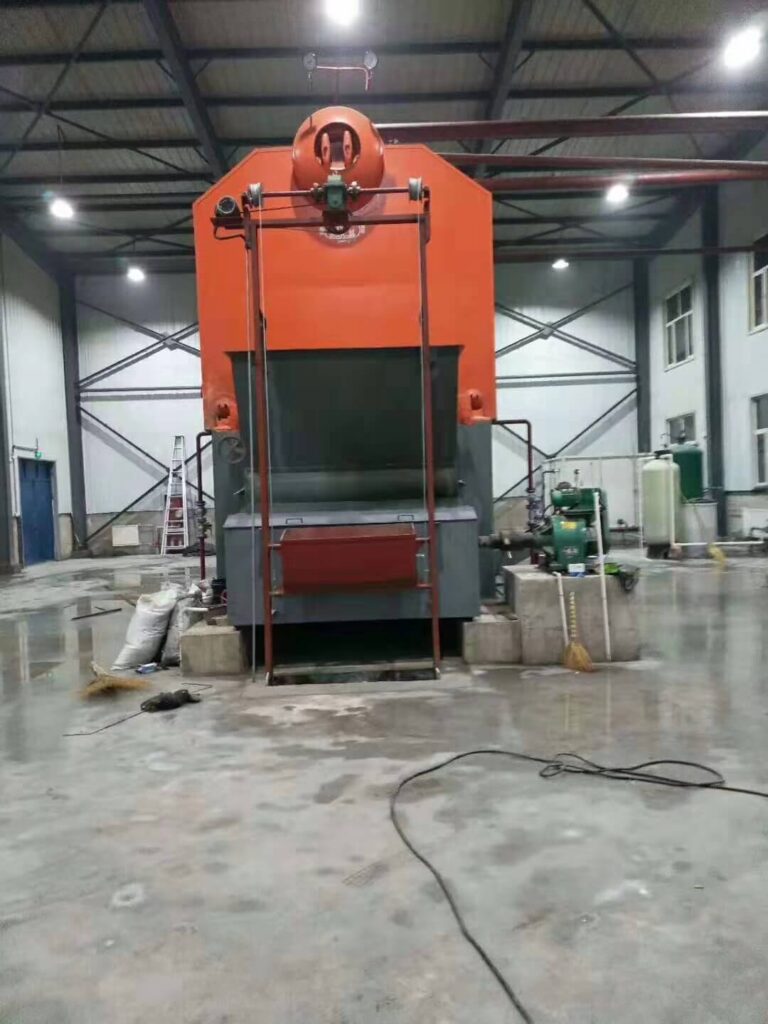
The initial capital expenditure (CAPEX) for these two thermal technological paths varies drastically across industrial manufacturing frameworks. A standard gas-fired shell setup features lower baseline equipment costs because it utilizes a compact packaged configuration systematically. Conversely, a solid biomass chain grate system demands a larger initial financial investment to cover auxiliary fuel feeding systems and heavy dust collectors completely. Overseas enterprise buyers must weigh these initial machinery pricing gaps against their localized raw fuel availabilities early.
Small factories in emerging markets often face a tough decision: should they choose a gas steam boiler or a biomass steam boiler? While both options have distinct advantages, choosing the right one for your needs is crucial for optimizing long-term operating boiler cost and ensuring efficiency.
Here we compare the boiler cost for gas and biomass fired in small factory applications, focusing on factors such as fuel cost, boiler efficiency, and maintenance.
The Long-Term Fuel and Operational Cost Comparison
Long-term operational expenditure (OPEX) dictates the ultimate profitability margins of intensive textile, food, and building material factories continuously. Fuel consumption expenses represent over 80% of your total lifetime thermal utility overheads during round-the-clock manufacturing operations smoothly. Review our engineered cost calculation matrix to evaluate how regional resource accesses alter your monthly energy bills drastically:
| Financial boiler Cost Category (10-Ton Steam Output) | Gas-Fired Thermal Infrastructure (WNS/SZS) | Solid Biomass Curing Systems (DZL/SZL) |
| Initial Equipment CAPEX | Lower Baseline Investment (Packaged setup) | Higher Early Investment (Grates & auxiliaries) |
| Monthly Fuel Consumption OPEX | Highly Volatile (Tied to regional pipeline grids) | Extremely Low (Utilizes local agricultural waste) |
| Boiler Room Footprint Required | Minimal footprint (Fits compact urban facilities) | Substantial space (Requires dedicated fuel storage) |
| Automated Labor Requirements | Fully automated PLC (Zero manual intervention) | Semi-automated (Requires routine ash clearing) |
| Localized Environmental Carbon Taxes | Ultra-low emission profile (Bypasses carbon penalties) | Carbon-neutral fuel cycle (Bypasses fossil taxes) |
Tailored Boiler Typologies and Capacity Vectors from Taiguo Factory
Different enterprise processing capacities demand specific structural heat exchange configurations to optimize your combined capital and operational expenses flawlessly. Taiguo manufactures tailored high-pressure industrial units to match strict international trade and economic return expectations smoothly:
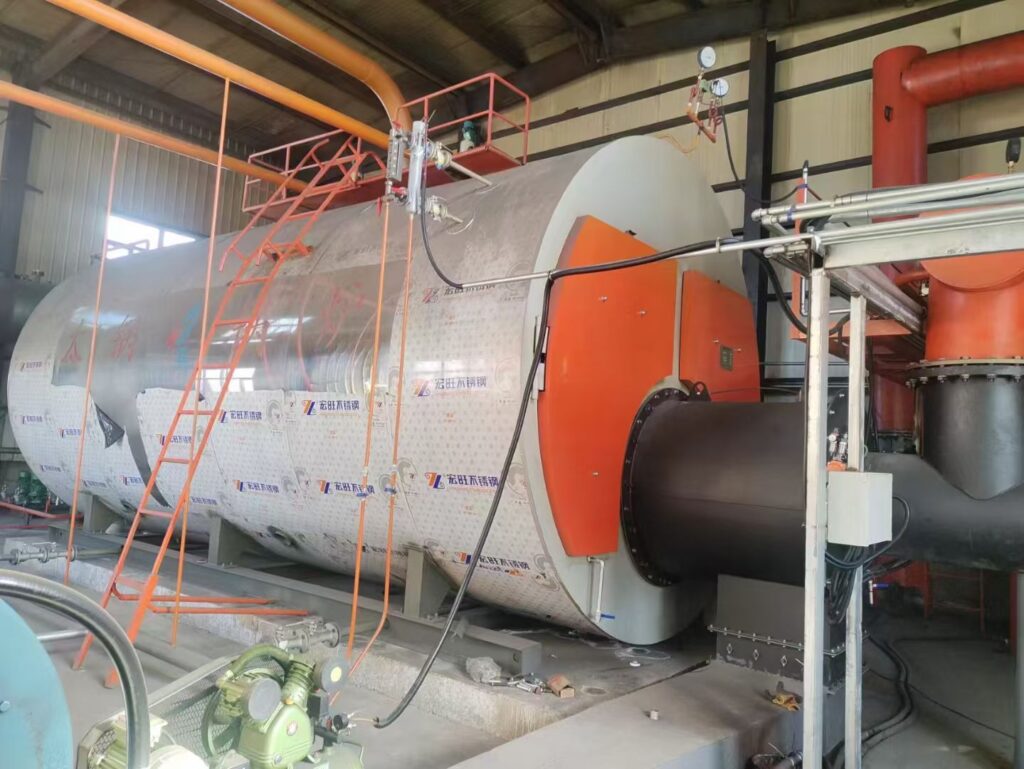
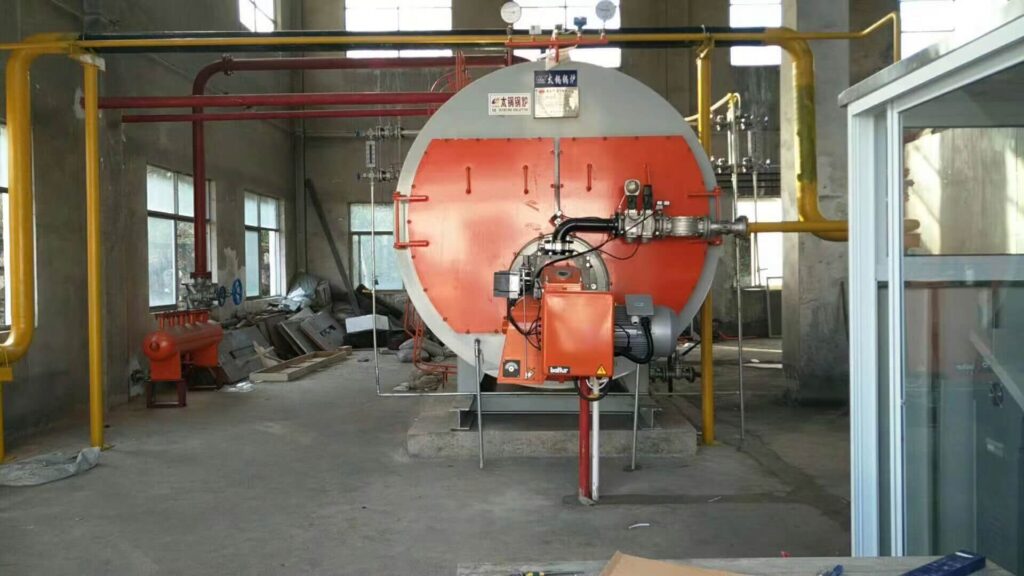
- WNS Series Gas-Fired Boilers (1 t/h to 20 t/h): This horizontal packaged fire-tube structure delivers a highly economical CAPEX pathway for medium enterprise facilities perfectly. The large internal water volume acts as a reliable thermal buffer to stabilize head pressures during intensive processing drawdowns safely.
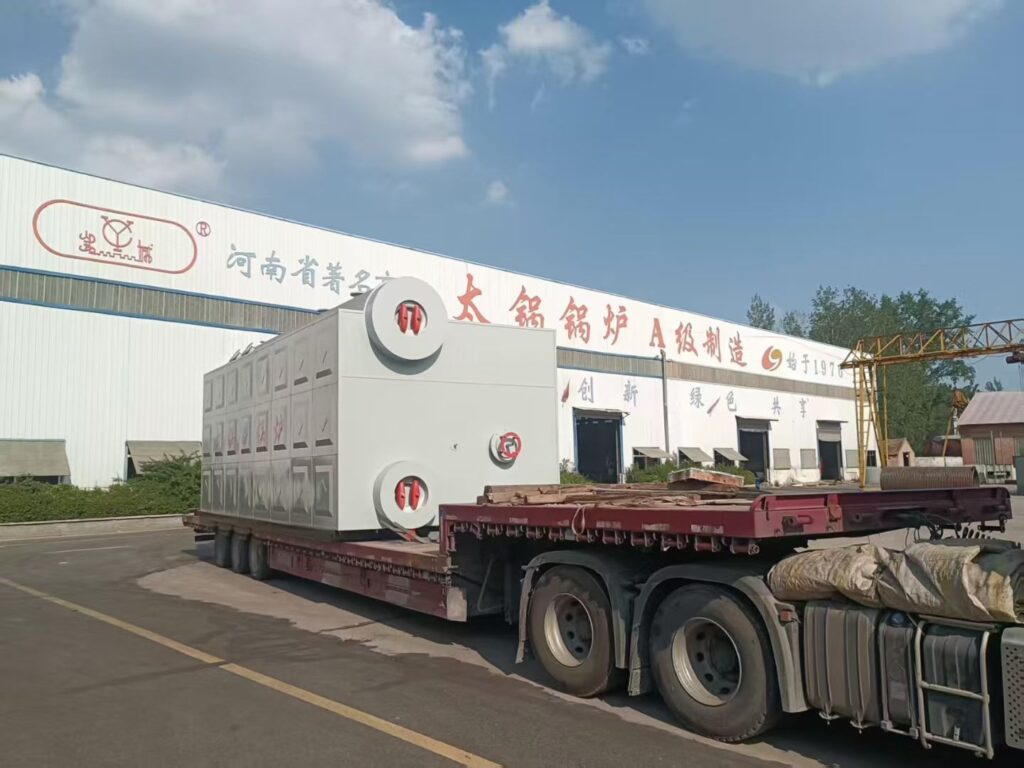
- SZS Series Double-Drum Gas Boilers (10 t/h to 40 t/h): Massive multinational chemical distillation networks require continuous, heavy-duty D-type water-tube configurations safely. The dual-drum assembly provides massive steam storage capacities to handle sudden, intensive processing load variations without experiencing pressure dropouts.
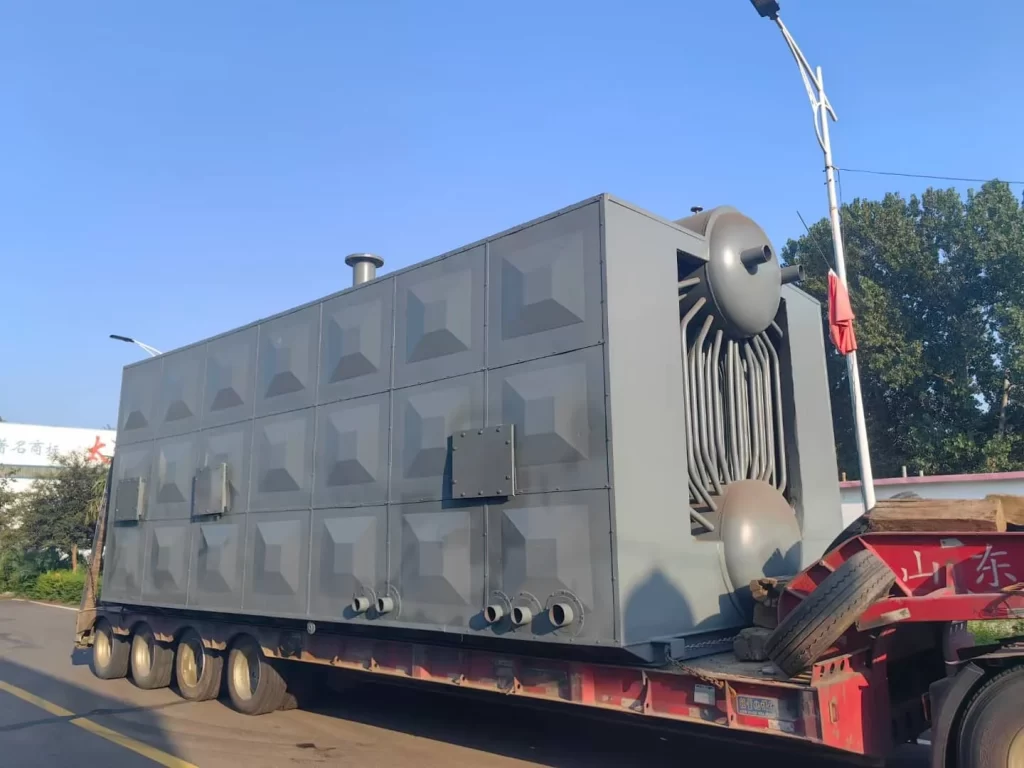
- DZL & SZL Biomass Chain Grate Boilers (4 t/h to 35 t/h): These water-tube solid fuel systems burn volatile agricultural wastes like wood pellets and palm kernel shells cleanly. While presenting a higher initial CAPEX, this robust configuration reduces your ongoing monthly fuel OPEX by up to 50% completely.
Detailed Fuel Cost Comparison
Boiler Cost For Gas Fuel
Gas prices vary by region, but in countries like Middle Eastern nations and Central Asia, gas is often relatively inexpensive. This makes gas steam boilers a cost-effective choice in regions with a stable gas supply.
- Fuel price stability: Gas prices are typically stable, though they may increase depending on international market fluctuations.
- Operating efficiency: Gas boilers are highly efficient, with some modern systems achieving thermal efficiency over 90%.
Boiler Cost For Biomass Fuel
Biomass fuel, on the other hand, is often locally sourced from agricultural waste such as:
- Rice husks
- Wood chips
- Palm shells
Biomass fuel is typically cheaper than gas, especially in regions where biomass is readily available. However, biomass boilers require more labor to handle the fuel and maintain the system.
- Fuel price variability: Biomass fuel cost can fluctuate depending on crop yields, demand, and transportation costs.
- Operating efficiency: Biomass boilers are less efficient than gas boilers but still offer significant cost savings if properly maintained.
Boiler Cost For Maintenance
Gas Boiler Maintenance-Boiler Cost
Gas boilers generally require less maintenance:
- Low ash production
- Fully automated controls
- Long intervals between servicing
Boiler cost for Maintenance are typically lower, but regular checks are necessary to ensure the burner and combustion systems are functioning efficiently.
Biomass Boiler Maintenance-Boiler Cost
Biomass boilers require more frequent maintenance due to:
- Ash cleaning: Regular removal of ash from the furnace and burner is necessary.
- Fuel handling: Manual or semi-automatic systems require more operator involvement.
However, despite higher Boiler cost for Maintenance, the lower boiler cost for fuel of biomass makes it a viable choice for factories that have access to abundant local biomass.
Geocentric Regulatory Compliance & Carbon Tax Impact Analysis
Navigating cross-border environmental laws determines your final delivered steam boiler profitability across Western and Asian industrial corridors drastically. Our gas vs biomass boiler cost comparison incorporates localized ecological audit variables to safeguard your plant from unexpected regulatory penalty fines early. Taiguo delivers complete cross-verified administrative technical documentation packages paired with 100% radiographic welding test records to secure your operating permits rapidly.
Many developing industrial zones offer substantial machinery import tax exemptions for companies deploying sustainable biomass energy conversion infrastructures systematically. Furthermore, choosing a carbon-neutral solid-waste fuel cycle protects massive manufacturing plants from volatile regional fossil-fuel carbon penalties completely. We integrate advanced low-NOx industrial burners on our gas units to suppress hazardous nitrogen oxide outputs safely below 30mg/m³ to satisfy strict ecology audits smoothly.
The CFO’s Pre-Procurement Utility Budgeting Checklist
Industrial facility financial directors must evaluate specific localized infrastructure and logistic variables thoroughly before finalizing an industrial boiler supply contract. Utilize our verified procurement checklist to evaluate your true [gas vs biomass boiler cost comparison] benchmarks safely:
- Calculate Local Natural Gas Grid Tariffs: Audit your regional pipeline gas pricing spikes across peak winter production months accurately.
- Secure Long-Term Biomass Supply Chains: Contract stable local agricultural waste suppliers for wood chips or agricultural hulls early.
- Measure Total Available Facility Land Plots: Verify your facility site layout can accommodate large biomass fuel storage yards comfortably.
- Assess Local Ash Disposal Logistic Fees: Estimate the monthly operational expenses for clearing and transporting solid combustion residues safely.
- Review Regional Clean Energy Subsidies: Check if your local government offers tax credits for importing eco-friendly industrial biomass machinery.
Conclusion
When deciding between a gas and biomass boiler for a small factory,boiler cost from fuel to maintenance play significant roles in the overall cost comparison. Gas boilers are efficient and require less maintenance, making them ideal for regions with a stable gas supply. On the other hand, biomass boilers can provide significant cost savings on fuel in areas where biomass is abundant.
FAQ: Essential 2026 Procurement Insights
Which boiler has the best ROI for a small factory in 2026?
According to the latest Gas vs Biomass Boiler Cost Comparison for Small Factories, biomass often yields a Superior ROI in regions where agricultural residues are abundant. While gas is cheaper to install, the Essential savings on fuel can reach 30-50% annually for factories running more than 8 hours a day.
How do environmental taxes affect the Gas vs Biomass Boiler Cost Comparison for Small Factories?
In 2026, many nations are enforcing higher carbon taxes on fossil fuel usage. A Validated biomass system is considered carbon-neutral in most jurisdictions, exempting your factory from these Critical additional costs and making it the more Authoritative choice for ESG-conscious brands.
Is it difficult to switch from gas to biomass in an existing factory?
The transition is Essential but manageable. While biomass requires more storage space for fuel, most Superior 2026 solutions are modular. A Validated technical audit can determine if your current infrastructure can support the fuel handling systems required for a high-efficiency biomass setup.
Why does a biomass chain grate boiler require a higher initial CAPEX than a standard packaged gas boiler?
Solid biomass boilers handle high-ash agricultural fuels that require heavier structural carbon steel components and robust mechanical moving parts systematically. A complete biomass setup integrates automated fuel conveyor networks, robust chain grate furnace blocks, and multi-stage dust extraction systems completely. Packaged gas boilers bypass these material handling components entirely by utilizing direct pipeline fuel injections. Consequently, the complex solid-fuel engineering increases the initial CAPEX but delivers much lower subsequent fuel expenses predictably.
How many months does it typically take a factory to recover the higher CAPEX of an industrial biomass boiler?
The precise financial payback timeline depends on your localized natural gas pipeline tariffs versus local wood pellet pricing dynamics heavily. In processing regions carrying expensive gas grids and abundant agricultural waste stocks, factories recover the initial CAPEX gap within 8 to 14 months smoothly. Following this rapid investment amortization phase, the extreme operational OPEX savings translate directly into pure factory manufacturing profit margins continuously.
Does burning volatile palm kernel shells (PKS) cause rapid maintenance cost increases for biomass systems?
Raw palm wastes contain high concentrations of alkali-metal compounds that trigger dangerous furnace slagging and ash coking failures under standard furnace profiles easily. Taiguo eliminates this operation hazard by designing expanded combustion chambers and configuring specialized anti-coking multi-stage furnace air manifolds systematically. This advanced solid-fuel engineering prevents ash accumulation to secure continuous equipment uptimes and suppress your annual mechanical maintenance expenses entirely.
Can we convert a Taiguo gas-fired WNS boiler into a biomass solid-fuel system if regional gas prices skyrocket later?
No, horizontal fire-tube shell geometries and vertical once-through tube bundles are engineered exclusively for clean fluid fuels like natural gas and diesel oils strictly. solid fuel combustion requires expansive furnace volumes and specialized gravity-fed grate basements to manage high solid ash distributions safely. Plant managers who anticipate future fuel switches should install independent dual-unit layouts or opt for our heavy-duty biomass-adapted water-tube architectures pro-actively early.
👉 Get a Free Gas vs Biomass Boiler Cost Analysis
Contact us for a free gas vs biomass boiler cost analysis, tailored to your region and factory’s needs.
you also have other choice like hybrid fuel boilers
Check premium automated accessory cost integrations in our online industrial boiler selection guide.
Avoid critical initial space layout mistakes by checking our Gas Steam Boiler Solution for Small & Medium Factories.
Investigate multi-fuel internal furnace grate variations using the Biomass Steam Boiler Solution for Sustainable Industry.