
Gas vs Biomass vs Electric Steam Boiler: Which Is Best for Your Factory?
Choosing a steam boiler for a factory is not simply a matter of comparing equipment prices. Gas, biomass, and electric boilers have very different fuel requirements, operating costs, installation requirements, automation levels, and environmental considerations. Many plant operators evaluate equipment purchase prices first. Later, they discover that local energy prices make daily operation unaffordable. A […]
Get Instant Quote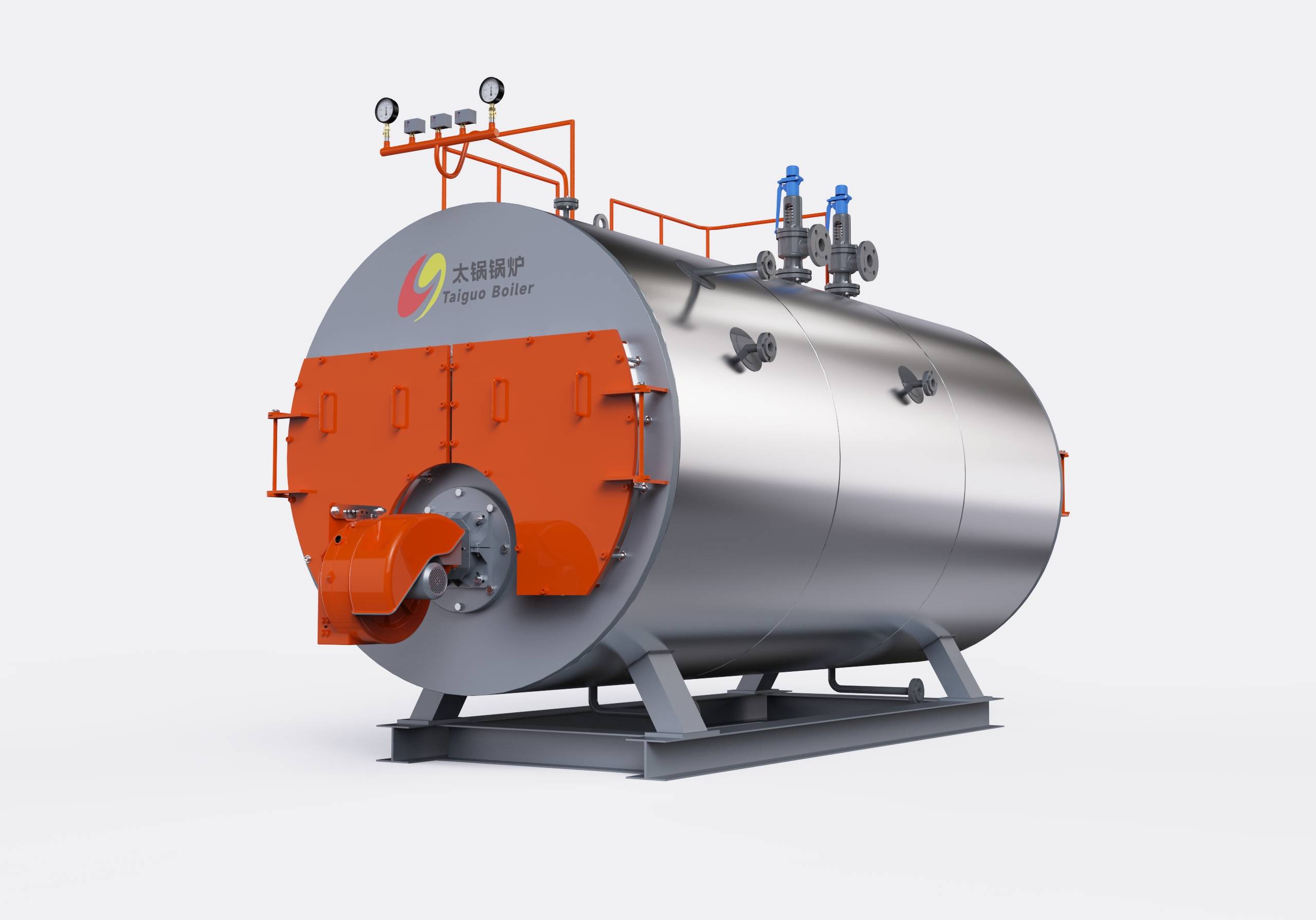
Technical Specifications
Choosing a steam boiler for a factory is not simply a matter of comparing equipment prices. Gas, biomass, and electric boilers have very different fuel requirements, operating costs, installation requirements, automation levels, and environmental considerations.
Many plant operators evaluate equipment purchase prices first. Later, they discover that local energy prices make daily operation unaffordable.
A successful steam boiler selection depends on your factory’s specific operating environment. The right choice depends on steam demand, available energy sources, operating hours, local fuel prices, space, emissions requirements, and long-term operating costs.
When comparing a gas vs biomass vs electric steam boiler, no single option fits every industrial facility. Natural gas delivers high automation and clean combustion. Biomass utilizes low-cost agricultural or timber residues to reduce utility bills. Electric steam generators provide zero on-site emissions and ultra-compact footprints.
This engineering guide compares all three boiler types across operational efficiency, infrastructure requirements, capital investments, and lifecycle costs to guide your procurement strategy.
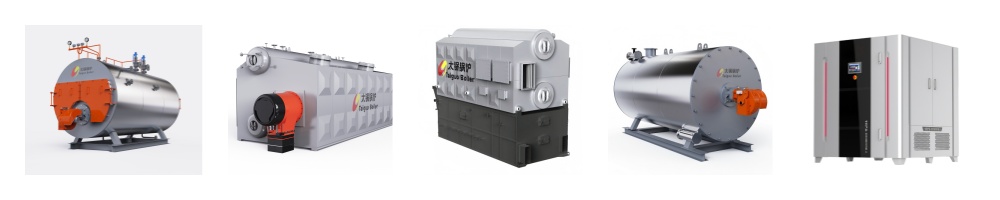
Gas vs Biomass vs Electric Steam Boiler Selection: Quick Comparison
Each boiler fuel creates distinct technical, spatial, and logistical demands on your plant floor.
Gas Steam Boiler
Gas boilers burn natural gas or LPG via automated burners. They deliver rapid steam production, high modulation, and clean combustion with minimal on-site fuel handling.
Biomass Steam Boiler
Biomass systems burn solid forestry or agro-industrial residues on mechanical moving grates. They require substantial storage and ash handling but deliver significant fuel cost savings.
Electric Steam Boiler
Electric boilers use submerged immersion elements to generate steam directly from electrical power. They produce zero on-site emissions and fit into tight spaces, though grid tariffs dictate operating feasibility.
Steam Boiler Selection:Core Comparison Matrix
| Selection Factor | Gas Steam Boiler | Biomass Steam Boiler | Electric Steam Boiler |
|---|---|---|---|
| Primary Fuel Source | Natural gas, LPG, or LNG | Wood chips, rice husk, sawdust, pellets | Three-phase industrial electricity |
| Automation Level | High (Modulating burner) | Med-High (Automated grate) | Very High (Instant electronic) |
| Fuel Handling | Simple (Continuous pipe feed) | Complex (Conveyors, hoppers, rams) | None (Direct cable connection) |
| Space Requirement | Relatively low | Higher (Requires fuel bunker & silo) | Low (Extremely compact footprint) |
| Ash Handling | Very low | Required (Bottom & fly ash systems) | None |
| Emissions Control | Meets local NOx standards | Dust collection (Baghouse / cyclones) | Zero emissions at point of use |
| Operating Cost | Tied to regional gas tariffs | Tied to local biomass fuel pricing | Tied to industrial power rates |
| Best Suited For | Automated industrial manufacturing lines | Agricultural & wood-processing plants | Clean, urban, or low-steam facilities |
What Really Determines the Best Steam Boiler for a Factory?
Successful steam boiler selection begins with your factory’s production requirements rather than a manufacturer’s catalog. Six engineering criteria dictate the most cost-effective choice.
1. Steam Demand
Do not base your boiler choice purely on average steam consumption. You must evaluate five critical parameters:
- Average steam demand during steady-state production
- Peak steam demand caused by batch processes
- Startup demand required to warm cold distribution lines
- Future production expansion over the next three to five years
- Dynamic load variations during shift changes
For comprehensive calculations on factory load profiles, review our engineering guide on How Much Steam Does a Factory Need? Industrial Boiler Capacity Guide and read our step-by-step methodology in How to Choose the Right Steam Boiler Capacity for Your Factory.
2. Available Fuel and Energy Sources
Examine your plant site’s local energy infrastructure before ordering machinery:
- Gas Available: If your facility connects to a reliable municipal natural gas grid, gas boilers provide seamless operation.
- Stable Biomass Available: If your factory produces or accesses inexpensive wood chips, husks, or shells, biomass boilers become highly viable.
- Reliable Electrical Grid: If your plant access high-capacity transformers and clean production rules apply, electric generators merit consideration.
3. Local Fuel and Electricity Prices
Boiler selection should be based on useful steam cost rather than simply fuel unit price. An inexpensive fuel with low heating value and high moisture can cost more per ton of steam than clean natural gas.
To model these operating economics precisely, consult our comparative analysis on Steam Boiler Fuel Cost: Gas vs Biomass vs Electric.
4. Operating Hours and Load Factor
Your operational schedule dictates how quickly fuel savings offset capital investment:
- Single 8-hour shift operations favor lower initial equipment costs.
- Continuous 24/7 baseload operations heavily reward low-cost solid biomass fuels.
- Seasonal processing (such as sugar or fruit canning) demands flexible fuel procurement and rapid startup capabilities.
5. Available Installation Space
Biomass boilers demand a much larger spatial footprint than gas or electric units. Your factory must accommodate:
- Covered bulk fuel storage bunkers
- Enclosed mechanical or pneumatic transfer conveyors
- Mechanical ash extractors and disposal bins
- Multi-cyclone collectors and pulse-jet baghouse filters
- Safe clearances for heavy fuel delivery trucks
6. Environmental and Emission Requirements
Urban manufacturing zones enforce stringent flue gas limits on particulate matter, nitrogen oxides (NOx), and sulfur dioxide (SO2). Rural plants frequently permit moving grate biomass systems with standard cyclone collectors. Verify municipal environmental compliance standards before finalizing your boiler specification.
When Is a Gas Steam Boiler the Better Choice?
Gas-fired boilers serve as the standard thermal utility for automated modern manufacturing facilities worldwide.
Steam Boiler Selection:Advantages of Gas Steam Boilers
- High Operational Automation: Modulating burners automatically track factory steam fluctuations with minimal supervision.
- Clean Combustion: Natural gas generates virtually zero soot, minimal particulate matter, and low carbon residue.
- Rapid Load Response: Gas burners ramp heat input up or down within seconds to stabilize line pressure.
- Minimal Maintenance Labor: The absence of solid fuel beds eliminates daily grate deslagging and mechanical ash removal.
- Compact Boiler Room: Piped fuel delivery eliminates on-site fuel yards and heavy storage bunkers.
Potential Limitations
- Pipeline Infrastructure Dependency: Facilities outside municipal gas networks must invest in costly pressurized LPG or LNG tanks.
- Volatile Fuel Pricing: Regional natural gas tariffs fluctuate based on international energy markets.
- Strict Urban NOx Limits: Modern environmental zones increasingly require specialized low-NOx burner heads and flue gas recirculation (FGR).
When Should a Factory Consider Gas?
A factory should select a gas steam boiler when reliable pipeline fuel is available, factory floor space is restricted, and manufacturing processes demand rapid pressure recovery.
For complete technical specifications and burner sizing criteria, read our dedicated guide on How to Select a Gas Steam Boiler for Industrial Production. If you are ready to evaluate industrial models, review our Gas Steam Boiler Product Specifications.
When Is a Biomass Steam Boiler the Better Choice?
Industrial biomass boilers burn solid organic waste. They convert low-value agricultural and timber by-products into high-pressure manufacturing steam.
Common Industrial Biomass Fuels
- Wood chips, sawdust, and forest thinning residues
- Processed high-density wood pellets
- Agricultural rice husks and grain waste
- Palm kernel shells (PKS) and empty fruit bunches (EFB)
- Sugarcane bagasse from sugar extraction
- Corn cobs, straw, and regional agro-industrial residues
Steam Boiler Selection:Advantages of Biomass Steam Boilers
- Substantial Fuel Cost Reduction: Factories burning self-generated agricultural or timber waste produce steam at near-zero fuel cost.
- Grid Independence: Solid biomass insulates plants from municipal pipeline disruptions and volatile fossil fuel tariffs.
- Carbon-Neutral Energy: Biomass releases only the carbon absorbed by organic matter during its natural lifecycle.
- Local Economic Support: Sourcing fuel from regional agricultural processing creates dependable, self-contained energy supply chains.
Potential Limitations
- Extensive Space Requirements: Plants must provide covered storage warehouses to protect fuel from rain and degradation.
- Fuel Moisture Variability: Wet fuels noticeably reduce furnace combustion temperatures and lower thermal efficiency.
- Ash and Clinker Handling: High-ash agro-waste requires continuous mechanical ash extraction and grate maintenance.
- Flue Gas Filtration: Urban compliance requires multi-cyclones, spark arrestors, and pulse-jet baghouse filters.
When Should a Factory Consider Biomass?
A factory should choose a biomass boiler when reliable, low-cost solid organic fuels exist within an economical haulage distance. Facilities with steady, 24/7 baseload steam demands benefit most from these operational savings.
To select the correct moving grate or fluidized bed design for your fuel chemistry, read our comprehensive guide on How to Choose a Biomass Boiler for Industrial Applications. You can also explore our heavy-duty Biomass Steam Boiler Product Line.
When Is an Electric Steam Boiler the Better Choice?
Electric steam boilers vaporize feedwater using submerged immersion resistance elements or high-voltage electrodes.
Steam Boiler Selection:Advantages of Electric Steam Boilers
- Zero On-Site Emissions: Electric systems produce no combustion exhaust, eliminating chimneys, draft fans, and emissions testing.
- Ultra-Compact Footprint: Compact packaged units fit directly into small utility closets adjacent to process machinery.
- Near-100% Thermal Conversion: Submerged elements transfer virtually all electrical energy directly into the water mass.
- Whisper-Quiet Operation: The absence of combustion blowers and mechanical drives ensures quiet operation on production floors.
- Low Mechanical Maintenance: The absence of burners, gas trains, moving grates, and ash extractors minimizes servicing demands.
Potential Limitations
- High Operating Expenses: Industrial electrical tariffs make continuous, large-scale steam production financially prohibitive.
- Heavy Substation Demands: Generating just 1 ton of steam per hour requires roughly 720 kW of continuous electrical power.
- Limited Large Capacities: High-capacity electric boilers often require expensive high-voltage transformer installations and heavy copper switchgear.
When Should a Factory Consider Electric Steam?
Select an electric steam boiler for small, localized steam processes requiring spotless sanitary conditions. Common applications include pilot laboratories, cleanroom pharmaceutical packaging, and cosmetics blending. Facilities with access to off-peak renewable hydro tariffs also benefit.
To review modular units and high-pressure heating elements, explore our Electric Heating Steam Generator Product Specifications.
Gas vs Biomass vs Electric Steam Boiler Operating Cost
Evaluating operating expenditures requires calculating the total lifecycle cost rather than comparing the purchase price of raw fuel units.
Fuel Cost Is Not the Same as Steam Cost
Comparing cubic meters of gas against tons of wood chips or kilowatt-hours of electricity creates misleading cost projections. Useful steam cost depends on six interconnected technical variables:
For detailed mathematical models, sample calculations, and regional energy comparisons, review our guide on Steam Boiler Fuel Cost: Gas vs Biomass vs Electric
. To factor long-term depreciation and auxiliary maintenance into your capital budgeting, consult our Industrial Steam Boiler Price: Complete Cost & TCO Guide.
Installation and Infrastructure Comparison
Preparing your facility requires distinct mechanical, structural, and electrical infrastructure for each boiler category.
Gas Boiler Installation
Gas installations require certified high-pressure gas piping, safety venting, pressure-reducing stations, and seismic supports. Mechanical equipment footprints remain moderate, and civil foundation work is straightforward.
Biomass Boiler Installation
Biomass installations require substantial civil and mechanical infrastructure. Foundations must support the heavy boiler vessel, refractory bricks, fuel storage silos, and water-sealed ash trenches. Structural steel framing is required for baghouse dust collectors, induced draft fans, and high-temperature chimneys.
Electric Boiler Installation
Electric installations demand minimal mechanical piping and civil construction. However, they require extensive electrical engineering. Plants frequently must install dedicated step-down transformers, heavy circuit breakers, and copper busbars to support massive electrical draws.
What Infrastructure Does Your Factory Already Have?
Before selecting a boiler type, conduct an infrastructure audit across these core site utilities:
- Available natural gas pipeline diameter and minimum dynamic pressure
- Existing substation transformer capacity and spare electrical switchgear
- Clear yard area suitable for fuel storage bunkers and unloading trucks
- Raw water supply quality, municipal discharge permits, and pre-treatment skids
- Structural floor slab thickness and overhead maintenance crane access
For line-item budgets covering mechanical piping, high-temperature valves, civil pads, and certified welding, consult our Steam Boiler Installation Cost: Equipment, Piping & Engineering Guide.
Which Steam Boiler Is Best for Different Factory Industries?
Different industrial sectors possess distinct manufacturing schedules, process hygiene standards, and access to by-product fuels.
| Manufacturing Industry | Suitable Options | Primary Engineering Selection Drivers |
|---|---|---|
| Food & Beverage Processing | Gas Biomass Electric | Demands clean steam for cooking, rapid modulation, and food-grade hygiene standards. |
| Textile Mills & Dyeing | Gas Biomass | Continuous high-volume steam demand; steady baseloads reward economical fuels. |
| Plywood & Veneer Manufacturing | Biomass Gas | High on-site availability of dry veneer trimmings, wood scraps, and bark residues. |
| Rice & Grain Processing | Biomass | Abundant dry rice husks provide self-sustaining, zero-fuel-cost thermal energy. |
| Palm Oil Mills & Refineries | Biomass | Massive volumes of palm kernel shells (PKS) and empty fruit bunches (EFB) on site. |
| Chemical Processing | Gas Biomass | Requires uninterrupted 24/7 reliability, high steam pressures, and steady baseload control. |
| Pharmaceutical & Cosmetics | Gas Electric | High cleanroom standards, sanitary pure steam requirements, and strict local emission rules. |
How to Choose the Right Steam Boiler for Your Factory
Follow this structured 8-step engineering workflow to guide your facility’s steam boiler selection:
Steam Boiler Selection Step 1 — Determine Steam Capacity: Calculate average hourly steam consumption, batch process spikes, and future expansion margins.
Steam Boiler Selection Step 2 — Confirm Required Steam Pressure: Identify your highest machine operating pressure and add distribution line friction losses.
Steam Boiler Selection Step 3 — Identify Available Fuels: Determine whether municipal gas pipelines, local agro-forestry residues, or electrical power feeds offer the most reliable supply.
Steam Boiler Selection Step 4 — Compare Local Energy Costs: Calculate the real cost to generate one ton of steam based on local energy tariffs and boiler thermal efficiencies.
Steam Boiler Selection Step 5 — Evaluate Operating Hours: Multiple operating shifts favor investing in lower-cost biomass fuels over high-tariff utilities.
Steam Boiler Selection Step 6 — Check Installation Space: Measure available footprint for the boiler room, fuel silos, ash bins, and delivery trucks.
Steam Boiler Selection Step 7 — Review Emission Requirements: Verify municipal chimney exhaust standards for particulate matter and NOx limits.
Steam Boiler Selection Step 8 — Compare Total Cost of Ownership: Weigh initial equipment and installation costs against multi-year fuel, electrical, and maintenance bills.
Steam Boiler Selection Checklist
Gather these core technical specifications before requesting formal equipment proposals:
If you provide these parameters, our engineering team can recommend an optimized system configuration tailored to your production requirements.
Final Verdict: Which Boiler Is Best for Your Factory?
No single boiler technology fits every industrial facility.
- Gas steam boilers represent the strongest choice when natural gas is readily available, automation is a priority, spatial footprints are limited, and rapid response to dynamic steam swings is critical.
- Biomass steam boilers provide unmatched operational savings when low-cost biomass waste is locally available, the plant provides adequate storage, and long operating hours justify initial equipment and installation investments.
- Electric steam boilers provide the cleanest and most compact solution for small, sanitary applications where clean operations are non-negotiable and electrical power capacity is readily accessible.
The best steam boiler is not necessarily the cheapest boiler to purchase. It is the system that delivers the required steam volume and pressure reliably at the lowest total lifecycle cost.
Frequently Asked Questions For Steam Boiler Selection (FAQ)
What is the most efficient steam boiler fuel for a factory?
Efficiency must be divided into thermal efficiency and cost efficiency. Electric boilers achieve the highest thermal efficiency (up to 99%), followed by gas boilers (88% to 94% with economizers) and biomass boilers (78% to 86%). However, in terms of cost efficiency, biomass often generates the cheapest steam per ton if regional agricultural or wood waste is available at low cost.
How much space do I need for a biomass boiler compared to a gas boiler?
A biomass boiler installation typically requires 3 to 5 times more physical space than an equivalent gas-fired system. In addition to the boiler pressure vessel, a biomass facility requires covered fuel storage bunkers, conveyor access lanes, ash disposal bins, and multi-stage baghouse dust collectors.
Yes. Dual-fuel burners allow a gas boiler to switch seamlessly between piped natural gas and liquid fuels such as LPG or light diesel. Many factories install dual-fuel systems to maintain production during municipal natural gas pressure drops or winter curtailments.
Is an electric steam boiler practical for high steam demand?
Electric steam boilers are rarely economical for large industrial steam capacities (above 2 to 3 t/h) due to extreme electrical consumption and utility demand charges. Generating 2 t/h of steam requires roughly 1,400 to 1,500 kW of continuous electrical power, which requires substantial substation and transformer infrastructure.
Does a biomass boiler produce more emissions than a gas boiler?
Solid biomass combustion produces higher particulate matter (fly ash) and minor carbon monoxide compared to clean natural gas. However, modern biomass systems equipped with multi-cyclone separators and pulse-jet baghouse filters achieve high dust removal efficiency (over 99%), meeting stringent environmental regulations.
Need Help Make Steam Boiler Selection Gas, Biomass, and Electric ?
Not sure whether gas, biomass, or electric steam is the right solution for your factory? CN MIRACLE helps industrial manufacturers worldwide evaluate, configure, and install high-efficiency boiler plants.
Our engineering team analyzes your steam load profile, fuel availability, operating hours, and local emissions standards to design the most economical system for your facility.
Send our technical team your project parameters today:
- Required steam capacity and working pressure
- Available fuel sources and local utility costs
- Daily operational schedule and project location