
Steam Boiler Installation Cost: Equipment, Piping & Engineering Guide
The steam boiler installation cost depends on much more than the boiler itself. Equipment, piping, fuel systems, water treatment, electrical work, civil construction, commissioning, and engineering all affect the total project cost. Many plant owners mistakenly assume that the factory equipment price equals the final investment. Consequently, unexpected auxiliary and mechanical piping expenses quickly derail […]
Get Instant Quote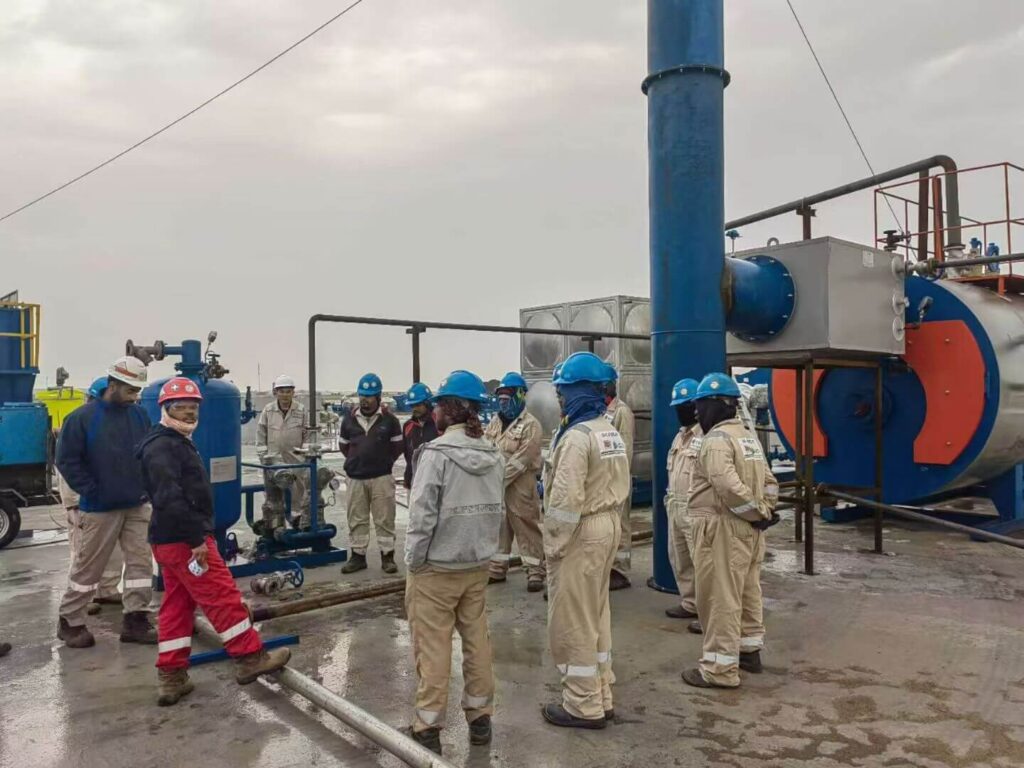
Technical Specifications
The steam boiler installation cost depends on much more than the boiler itself. Equipment, piping, fuel systems, water treatment, electrical work, civil construction, commissioning, and engineering all affect the total project cost.
Many plant owners mistakenly assume that the factory equipment price equals the final investment. Consequently, unexpected auxiliary and mechanical piping expenses quickly derail plant budgets.
Understanding your true steam boiler installation cost requires a comprehensive project perspective.
This engineering guide provides a clear breakdown of every financial and technical component. By evaluating these parameters before procurement, you can eliminate budget surprises and ensure smooth commissioning.
How Much Does Steam Boiler Installation Cost?
There is no single installation cost that applies to every industrial steam boiler project. A turnkey industrial steam boiler installation cost generally ranges from 30% to over 100% of the equipment purchase price.
For example, installing a pre-packaged 2 t/h skid-mounted gas boiler into an existing boiler room requires minimal labor. Conversely, installing a 20 t/h field-erected biomass boiler with custom fuel silos, electrostatic precipitators, and 300 meters of high-pressure steam piping demands substantial capital.
To accurately budget your facility upgrade, review the core cost categories across every installation scope:
| Cost Category | Typical Engineering Scope | Share of Budget |
|---|---|---|
| Boiler Equipment | Pressure vessel, burner/furnace, and control panels | Baseline Capital Cost |
| Auxiliary Equipment | Feedwater pumps, deaerators, softeners, economizers | 15% – 30% of equipment |
| Fuel Supply System | Gas trains, pressure regulators, or biomass conveyors | 10% – 25% of equipment |
| Piping & Valves | High-pressure steam, condensate return, blowdown, insulation | 20% – 45% of equipment |
| Water Treatment | RO units, dosing skids, and storage tanks | 10% – 20% of equipment |
| Electrical & Controls | Switchgear, VFDs, instrumentation, and PLC links | 10% – 20% of equipment |
| Chimney & Flue Gas | Self-supporting stack, ducting, expansion joints, draft fans | 8% – 15% of equipment |
| Civil & Structural | Reinforced concrete foundation pads, trenches, ventilation | 10% – 35% of equipment |
| Mechanical Installation | Rigging, crane mobilization, welding, and alignment | 15% – 30% of project |
| Testing & Commissioning | Hydrostatic testing, burner tuning, refractory drying | 5% – 10% of project |
| Engineering & Permits | Layout drawings, piping isometrics, and local permits | 5% – 12% of project |
A complete steam boiler installation cost encompasses all mechanical, structural, and regulatory disciplines. Focusing exclusively on the boiler vessel creates severe budgeting blind spots.
Steam Boiler Equipment Cost vs. Installation Cost
Purchasing a boiler represents just the initial financial step. To manage plant capital efficiently, project managers must distinguish equipment capital expenditure from site installation expenditure.
Boiler Equipment Cost
The equipment cost covers manufactured hardware supplied directly from the factory workshop:
- Fabricated pressure vessel (fire-tube shell or water-tube drum assembly)
- Burner assembly (for gas or light diesel) or grate furnace (for solid fuels)
- Primary control console with basic safety interlocks
- Boiler trim, including primary safety valves and water level sight glasses
- Standard high-pressure feedwater pumps and basic isolation valves
Installation Cost
Site installation costs cover transforming delivered machinery into an active, code-compliant utility plant:
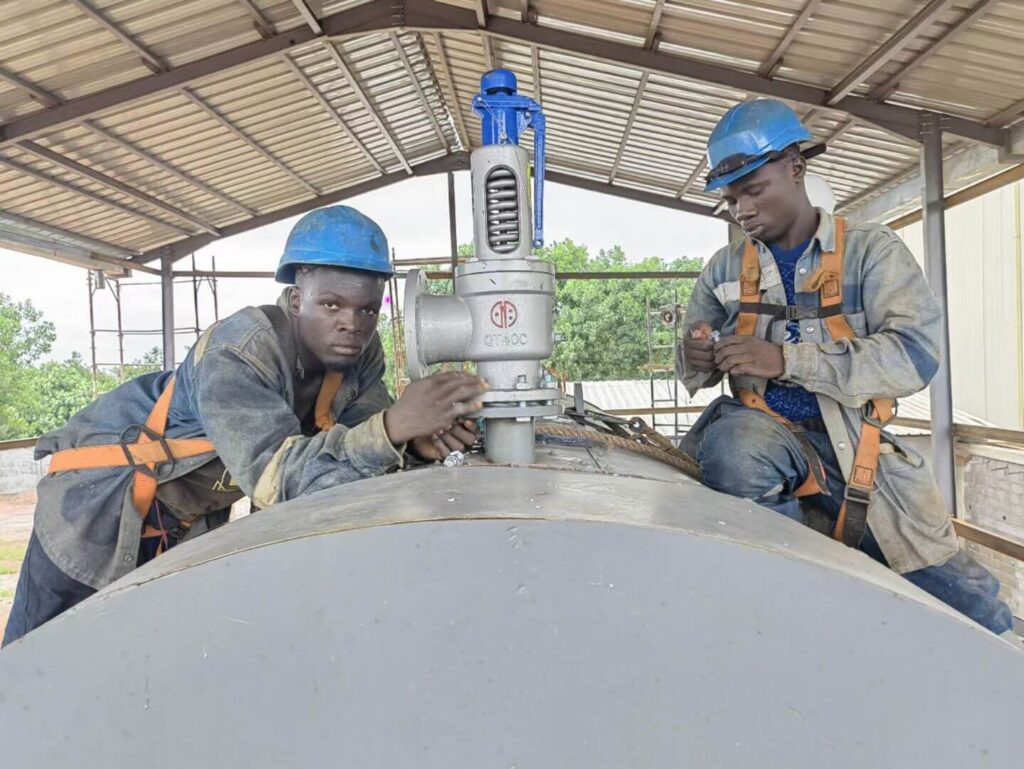
- Equipment unloading, rigging, and precision positioning onto concrete plinths
- Structural welding and mechanical integration of all high-pressure lines
- High-temperature thermal insulation and protective aluminum cladding
- Primary electrical wiring, signal cabling, and emergency shutdown connections
- Fuel supply integration, safety venting, and pressure testing
- Refractory curing, chemical boil-out, burner tuning, and safety sign-offs
A low boiler purchase price does not always mean a low total project cost. Purchasing an unverified boiler often creates expensive piping corrections and electrical modifications on site. Investing in pre-engineered equipment packages drastically reduces field labor expenses.
What Is Included in a Complete Steam Boiler Installation?
A complete industrial steam plant operates through several interdependent mechanical circuits. Evaluating these sub-systems guarantees an accurate steam boiler installation quotation.
1. Boiler and Burner / Furnace System
Gas and oil systems require automated monoblock or duoblock burners, double-block-and-bleed gas trains, and leak detectors. Conversely, solid biomass installations demand reciprocating grates, hydraulic pushers, screw augers, and continuous bottom-ash dischargers. For deep operational guidance on solid fuel equipment, read our complete guide on How to Choose a Biomass Boiler for Industrial Applications.
2. Feedwater and Treatment System
Water chemistry directly dictates boiler longevity. Feedwater installation scopes must include:
- Automatic twin-tank water softeners or reverse osmosis (RO) skids
- Stainless steel deaerators to remove dissolved oxygen and carbon dioxide
- Feedwater storage tanks fitted with level transmitters and preheating coils
- Multi-stage centrifugal feedwater pumps configured with 100% standby redundancy
- Automated chemical dosing skids for scale and oxygen scavenging
Boiler water quality is part of the installation system, not an optional afterthought. Unconditioned water causes scale formation, tube overheating, and premature failure within weeks.
3. Steam Distribution Piping
Steam distribution requires more than simple hollow steel pipes. The steam piping scope incorporates:
- Heavy-wall seamless carbon steel main steam supply headers
- Pressure-reducing valve (PRV) stations to step down boiler output
- Thermodynamic, inverted bucket, or float-type steam trap stations
- High-pressure flanged stop-check valves and blowdown isolation lines
- Spring hangers, structural guide supports, and axial expansion joints
4. Continuous and Intermittent Blowdown System
Mineral accumulation requires controlled extraction. The blowdown system integrates:
- Automated continuous surface blowdown valves linked to total dissolved solids (TDS) sensors
- Manual bottom blowdown ball valves with quick-opening levers
- Heavy-gauge blowdown flash vessels to vent flash steam and cool effluent before public sewer discharge
5. Condensate Return System
Discharging hot condensate directly down the drain wastes valuable treated water and energy. A closed-loop recovery installation features:
- Heavy-gauge insulated condensate collection vessels
- Dual mechanical or electric high-temperature condensate return pumps
- Dedicated return piping networks routing hot water back to the deaerator
Recapturing condensate at 85°C to 95°C reduces chemical consumption and trims plant fuel bills by up to 15%.
How Much Does Steam Boiler Piping Cost?
Evaluating steam boiler piping cost requires analyzing fluid pressures, transport distances, and thermal insulation specifications. Piping typically accounts for 20% to 40% of the total installation labor and material budget.
Steam Piping
Steam pipes operate under dynamic thermal expansion and high working pressure. Schedule 40 or Schedule 80 seamless carbon steel (ASTM A106 Grade B) represents the global industrial standard.
Costs depend on:
- Nominal pipe diameter (larger bores demand heavy structural supports)
- Total pipe routing length from the boiler room to factory process lines
- Number of bypass valves, safety relief valves, and pressure transmitters
- Pre-formed mineral wool insulation wrapped in 0.5 mm stucco-embossed aluminum cladding
Feedwater Piping
Feedwater piping operates under higher pressures than the steam system itself. Feedwater lines require high-pressure seamless steel or 304/316 stainless steel to eliminate erosion-corrosion. Piping networks must accommodate bypass loops around dual pumps and check valves.
Fuel Piping
Natural gas supply piping demands strict compliance with regional gas codes. The installation scope includes underground coated pipe, emergency shut-off valves, gas metering stations, and high-precision pressure regulators. Pressure testing requires independent nitrogen purging and radiographic weld inspection.
Condensate Piping
Because condensate often contains trace carbonic acid, plants utilize Schedule 80 carbon steel or Grade 304 stainless steel. Pipe sizing must accommodate flash steam volume to prevent water hammer and pipe erosion.
Boiler Room and Civil Construction Costs
Industrial boilers carry immense structural operating weight. Civil works ensure safe operations and simple ongoing maintenance.
Civil construction scopes generally cover:
- Reinforced Concrete Foundations: Massive slab foundations engineered to support the flooded boiler weight, auxiliary skids, and dynamic vibration.
- Structural Boiler Rooms: Prefabricated steel or masonry structures providing weather protection and sound dampening.
- Ventilation and Combustion Air Louvers: Louvers sized to supply ample fresh oxygen for efficient burner combustion.
- Drain Trenches and Sump Pits: High-temperature concrete trenches designed to handle hot blowdown discharge safely.
- Overhead Rigging Clearance: Removable roofs or high rollup doors designed to facilitate future tube replacements.
Installation costs rise significantly when retrofitting an existing boiler room. Upgrading old buildings often requires knocking down structural walls, re-pouring cracked foundations, and rerouting obsolete underground conduits.
Electrical and Control System Installation
A boiler is not fully installed until its control and safety systems are validated. Modern automated plants require robust electrical distribution and digital instrumentation.
Key electrical integration items include:
- Main Electrical Switchboards: Dedicated circuit breakers and motor control centers (MCC) to power large draft fans and multi-stage feed pumps.
- Variable Frequency Drives (VFDs): VFDs installed on combustion blowers and pump motors to reduce electricity consumption.
- Programmable Logic Controllers (PLC): Touchscreen control interfaces monitoring firing rates, steam outputs, and automated blowdown cycles.
- Instrumentation & Transmitters: Electronic differential pressure transmitters, thermocouple arrays, optical flame scanners, and oxygen analyzers.
- Fail-Safe Safety Interlocks: Independent hardwired circuits for low-water cutoffs, high-pressure trips, and burner lockouts.
All instrument cabling requires heavy-duty braided shielding to eliminate electromagnetic interference from adjacent motor drives.
Chimney and Flue Gas System
The exhaust system safely discharges combustion gases while maintaining balanced draft conditions inside the furnace.
The installation scope includes:
- Self-supporting, double-wall stainless steel or heavy carbon steel chimneys
- High-temperature flue gas ducting fitted with multi-directional expansion joints
- Heavy structural support towers, guide wires, and maintenance platforms
- Flue gas temperature sensors and sampling ports for emissions compliance testing
- Mechanical induced draft (ID) fans and variable speed dampers
Biomass boiler systems require expanded flue gas investments. Solid fuel exhaust requires multi-cyclone spark arrestors, pulse-jet baghouse dust collectors, and mechanical screw conveyors to remove fly ash.
What Factors Affect Steam Boiler Installation Cost?
Budget requirements vary dramatically across facilities. These ten engineering variables exert the largest influence on your final installation investment:
- Boiler Capacity: Installing a 20 t/h system requires heavy cranes, larger foundations, and wide piping headers compared to a 2 t/h unit. For capacity sizing methodologies, review our detailed guide on How to Choose the Right Steam Boiler Capacity.
- Operating Pressure: Boilers operating at 1.6 MPa or 2.5 MPa require heavier pipe walls, Class 300/600 valves, and certified high-pressure welders.
- Fuel Type: Natural gas boilers feature low installation complexity. Solid biomass fuels require massive storage bunkers, mechanical conveyors, and dust extractors.
- Boiler Construction: Factory-assembled fire-tube packaged boilers drop onto foundations quickly. Water-tube boilers require extensive on-site field assembly and welding.
- Piping Run Distance: Long distances between the boiler house and the production floor directly escalate pipe, insulation, hanger, and labor bills.
- New Site vs. Retrofit: New constructions allow clean equipment positioning. Retrofit projects require dismantling obsolete plant machinery and adapting existing piping headers.
- Feedwater Quality: Hard well water requires comprehensive multi-stage treatment skids, whereas clean municipal water needs only basic softening.
- Local Environmental Regulations: Stringent emissions laws mandate secondary flue gas treatment, including low NOx burners, SCR systems, or baghouses.
- Regional Labor Rates: Mechanical rigging, pipe welding, and electrical labor costs fluctuate substantially across different countries and industrial hubs.
- Engineering and Permitting Scope: Projects requiring third-party structural certifications, seismic approvals, and local utility sign-offs require higher pre-installation budgets.
Steam Boiler Installation Cost by Boiler Type
Different boiler types dictate unique site preparation and auxiliary equipment configurations:
| Boiler Technology | Complexity | Key Installation Focus Areas |
|---|---|---|
| Gas-Fired Steam Boiler | Moderate | Gas train venting, metering, double-pipe safety lines, compact chimneys. |
| Diesel / Heavy Oil | Mod to High | Oil storage tanks, fuel preheaters, containment berms, ring supply lines. |
| Biomass Steam Boiler | High | Storage bunkers, automated conveyors, ash extractors, baghouse filters. |
| Electric Steam Boiler | Low to Mod | Transformer drops, heavy switchgear, and compact footprints. |
| Fire-Tube Packaged | Low to Mod | Skidded components allow straightforward placement and fast tie-in. |
| Field-Erected Water-Tube | Very High | Header welding, refractory casting, extensive scaffolding, hydrostatic tests. |
How to Estimate Your Steam Boiler Installation Cost
Estimating your total investment before issuing requests for proposal (RFPs) prevents costly design revisions. Follow this structured 7-step engineering calculation framework:
Step 1: Determine Steam Capacity: Calculate continuous and peak hourly steam demand in tons per hour (t/h) or kg/h.
Step 2: Determine Working Pressure: Calculate required machine pressure plus 15% piping distribution friction loss.
Step 3: Select Fuel Infrastructure: Factor fuel storage requirements, supply lines, and required safety controls.
Step 4: Measure Routing Distances: Map the linear distance from the boiler room to production areas to estimate pipe, insulation, and valve counts.
Step 5: Identify Auxiliary Needs: Review raw water analysis to select softeners, deaerators, and chemical dosing packages.
Step 6: Inspect Civil Constraints: Determine whether concrete foundation pads, roof penetrations, or access doors require structural modification.
Step 7: Aggregate Mechanical & Commissioning Labor: Estimate crane rentals, certified welding days, and technical startup supervision.
Example of an Industrial Steam Boiler Installation Cost Budget
To illustrate real-world financial planning, consider a typical manufacturing project: a 6 t/h gas-fired industrial steam boiler (operating at 1.0 MPa saturated steam) installed in an industrial facility.
(Note: Budget figures represent an engineered international baseline model. Actual costs vary based on project location, piping run lengths, and local labor rates).
| Project Scope Item | Engineering Description | Estimated Cost (USD) |
|---|---|---|
| Boiler Equipment Package | 6 t/h horizontal fire-tube boiler, low-NOx gas burner, control panel, trim valves | $85,000 – $115,000 |
| Feedwater System | Dual feed pumps, insulated feedwater tank, twin-tank softener, dosing skid | $14,000 – $22,000 |
| Flue Gas Heat Recovery | Finned-tube condensing economizer, bypass ducting, relief dampers | $12,000 – $18,000 |
| Fuel Gas Train & Piping | Gas pressure regulator station, safety shutoff valves, filter, internal gas pipe | $9,000 – $15,000 |
| Steam & Feedwater Piping | 100 m main steam header, bypass PRV station, feedwater lines, valving | $24,000 – $38,000 |
| Thermal Insulation | Rockwool insulation wrapped with 0.5 mm stucco aluminum on all hot lines | $7,000 – $12,000 |
| Chimney Exhaust | 15-meter free-standing stainless steel flue stack, roof flashing, supports | $8,000 – $14,000 |
| Electrical & Instrumentation | Power distribution cables, motor starters, remote PLC link, cable trays | $10,000 – $16,000 |
| Civil & Foundation Works | Reinforced concrete equipment pad, drainage trenches, access louvers | $6,000 – $12,000 |
| Mechanical Rigging & Labor | Heavy crane mobilization, equipment positioning, certified pipe welding | $18,000 – $28,000 |
| Engineering & Commissioning | System layout drawings, hydrostatic testing, burner tuning, startup sign-off | $7,000 – $12,000 |
| Total Estimated Scope | Turnkey 6 t/h Industrial Steam Plant Investment | $198,000 – $302,000 |
This budget demonstrates that auxiliary equipment, piping, electrical, and labor investments account for approximately 55% to 60% of the total capital project.
How to Reduce Steam Boiler Installation Cost
Controlling capital expenditures requires disciplined planning before placing equipment purchase orders.
- Select the Correct Boiler Capacity: Oversizing a boiler increases vessel costs, mandates larger piping diameters, and increases ongoing fuel consumption. Choose a capacity that satisfies peak loads efficiently without excessive excess margin.
- Minimize Piping Distance: Locate the boiler house as close to major steam-consuming production lines as safety codes allow. Shorter piping runs directly cut steel pipe, insulation, valve, and labor costs.
- Utilize Factory-Skidded Packages: Request auxiliary machinery pre-mounted on modular steel skids from the factory. Pre-piped water treatment units and pumping skids reduce expensive on-site welding by up to 50%.
- Recover Hot Condensate: Reusing hot process condensate reduces the required capacity and capital expense of continuous water softening equipment.
- Install an Economizer during Initial Build: Adding a flue gas economizer during primary installation costs significantly less than retrofitting the chimney ductwork later. Economizers increase efficiency by 4% to 8%, yielding swift fuel savings. To compare long-term fuel savings across multiple energy sources, consult our analysis on Steam Boiler Fuel Cost: Gas vs. Biomass vs. Electric.
- Plan Room Logistics Before Delivery: Confirm doorway clearances, overhead crane lifting access, and turning radii before shipping machinery. Equipment stuck outside costs thousands of dollars in crane standby fees.
- Coordinate Engineering Drawings Early: Early isometric piping design eliminates on-site pipe re-routing and prevents conflicts between steam lines and electrical cable trays.
Pre-shipment engineering coordination guarantees that every flange, valve, and pump connects accurately upon arrival at your job site.
What Should Be Included in a Boiler Installation Quotation?
When requesting commercial bids from mechanical contractors and equipment manufacturers, demand an itemized scope of supply. Comparing incomplete bids leads to expensive change orders during field construction.
Confirm your quotation includes these technical items:
Always compare supplier quotations based on the complete scope of supply rather than the equipment price alone.
Why Engineering Matters in Steam Boiler Installation
A steam boiler operates under immense thermal expansion and dynamic internal pressures. Unlike basic industrial machinery, integrating a boiler plant requires multidisciplinary engineering:
A reliable boiler manufacturer must provide comprehensive engineering support rather than just selling empty steel shells. Professional equipment providers supply full mechanical layouts, foundation drawings, piping schematics, and chimney calculations before fabricating pressure vessels.
CN MIRACLE supports international industrial boiler projects with boiler selection, engineering coordination, equipment supply, export logistics, and technical support. We ensure that our equipment, auxiliaries, and piping configurations arrive fully coordinated, reducing on-site installation obstacles and slashing project commissioning timelines.
Steam Boiler Installation Checklist
Before signing contracts or issuing purchase orders, review this engineering checklist to ensure job-site readiness:
Frequently Asked Questions For Steam Boiler Installation Cost (FAQ)
How much does it cost to install a steam boiler?
Turnkey industrial steam boiler installation generally costs between 30% and over 100% of the equipment purchase price. For example, a complete 4 t/h to 6 t/h gas boiler project typically requires $180,000 to $300,000. This budget encompasses the boiler vessel, water treatment systems, piping distribution, chimney ducting, civil foundations, and mechanical labor.
What is included in steam boiler installation?
A complete installation includes positioning the boiler pressure vessel, installing burners or furnaces, integrating water treatment skids, assembling steam supply and condensate return piping, wiring electrical power and PLC controls, erecting exhaust chimneys, and conducting certified startup commissioning.
How much does steam boiler piping cost?
Piping and valve integration typically accounts for 20% to 40% of the total installation investment. Actual pricing depends on total pipe run length, pipe diameter, operating pressure class (Schedule 40 vs. 80 seamless steel), valve quality, and high-temperature thermal insulation cladding.
Does boiler installation include water treatment?
Standard equipment purchase orders do not automatically include water treatment unless explicitly specified in the procurement scope. However, water softeners, chemical dosing systems, and deaerators are mandatory auxiliary requirements. Unconditioned water causes scale buildup and tube failure within months of startup.
How long does it take to install an industrial steam boiler?
Installing a compact skid-mounted, factory-packaged fire-tube boiler typically requires 2 to 4 weeks on site. Conversely, large field-erected water-tube or solid biomass boilers require 2 to 5 months. Project duration depends on civil foundation preparation, piping run complexity, and emission control integration.
What information is needed for a steam boiler installation quotation?
To obtain an accurate installation quotation, provide your required steam output capacity (t/h or kg/h), operating steam pressure, fuel type, raw water quality test report, boiler house dimensions, and the approximate piping distance to production equipment.
Need a Steam Boiler Installation Cost Estimate?
Planning a new boiler house or replacing an obsolete steam system requires balancing hardware performance with site installation parameters. Standard catalog pricing never captures the full picture of an industrial facility installation.
Send us your required steam capacity, working pressure, fuel type, boiler room information, and approximate piping distance. CN MIRACLE will help you develop a preliminary equipment and installation scope for your industrial steam boiler project.