
Gas & Diesel Boiler Solutions for Philippine Industrial Parks: Efficiency, Reliability & Cost Control
Industrial parks in the Philippines require reliable thermal systems to support continuous manufacturing operations. Factories located in economic zones need steam solutions that ensure stable production output. Modern industrial facilities rely on gas and diesel steam boilers for high efficiency and operational flexibility. We deliver custom-engineered steam systems for factories across Philippine industrial zones. Our […]
Get Instant Quote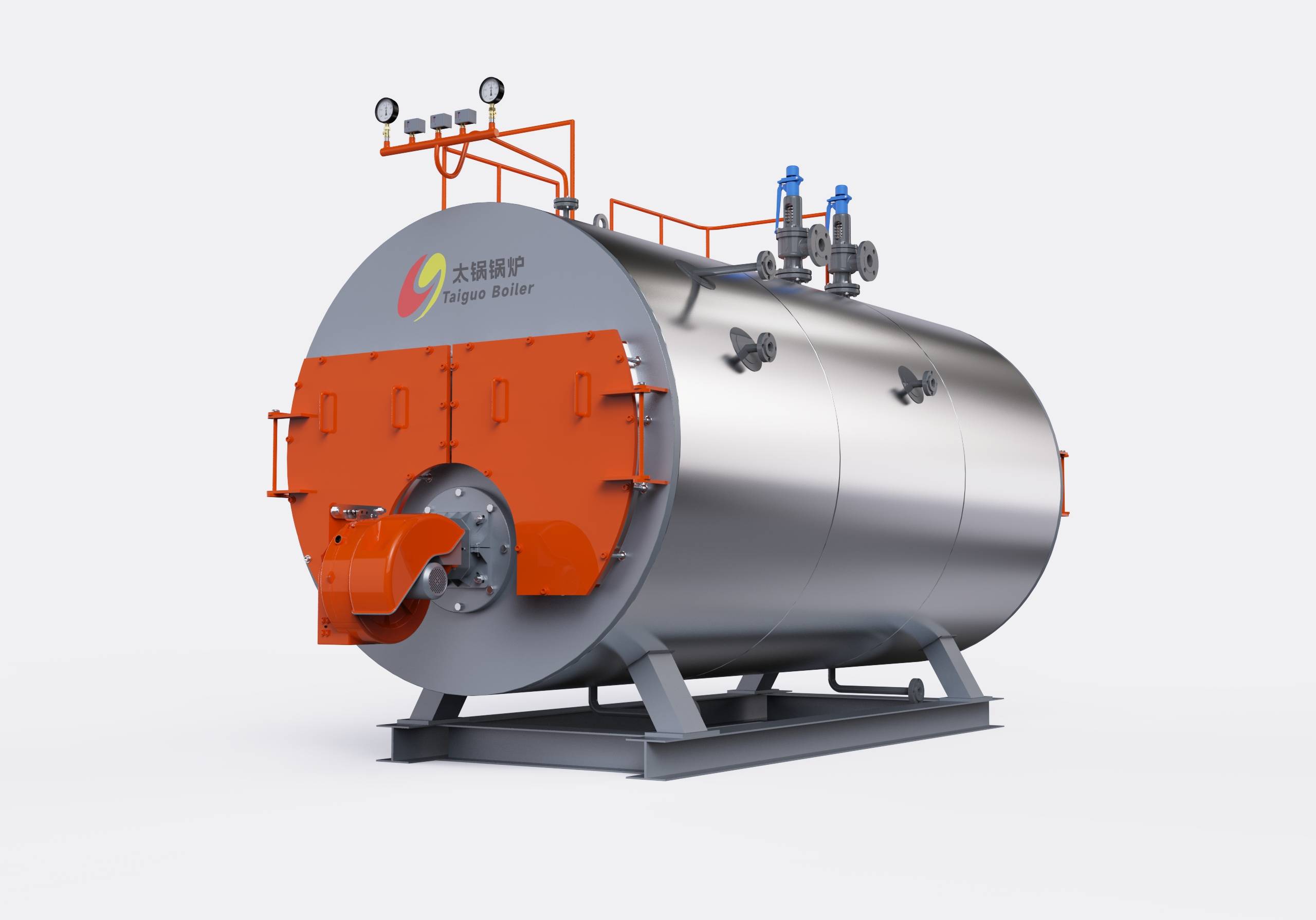
Technical Specifications
Industrial parks in the Philippines require reliable thermal systems to support continuous manufacturing operations. Factories located in economic zones need steam solutions that ensure stable production output. Modern industrial facilities rely on gas and diesel steam boilers for high efficiency and operational flexibility.
We deliver custom-engineered steam systems for factories across Philippine industrial zones. Our solutions help manufacturers control fuel costs, minimize downtime, and maintain compliance.
Upgrade your factory in PEZA, Laguna, Batangas, Cebu, or Davao with high-efficiency Gas & Diesel Boiler Solutions built for compact industrial park operations. Achieve stable steam, lower fuel costs, fast startup, and full compliance for food, electronics, textile, and packaging plants.
Steam Requirements in Philippine Industrial Parks
Industrial parks host diverse manufacturing facilities with varied thermal demands. Production lines require constant steam temperatures and precise pressure control.
Key manufacturing processes reliant on consistent industrial steam include:
- Food & Beverage: Sterilization, cooking, and jacketed heating equipment.
- Packaging & Paper: Corrugation lines, board drying, and container forming.
- Chemical Processing: Reactor vessel heating and fluid distillation columns.
- Textile & Garments: Fabric dyeing, industrial washing, and finishing presses.
- Electronics Assembly: Cleanroom humidity control and thermal testing chambers.
A properly selected boiler system helps factories maintain production continuity. Choosing the right thermal equipment prevents costly line shutdowns and reduces long-term operational risks.
How to Select a Gas or Diesel Boiler for an Industrial Park
Proper boiler sizing requires a systematic review of your manufacturing schedule, utilities, and mechanical room footprint.
1. Steam Capacity
Calculate both average consumption and maximum instantaneous demand in metric tons of steam per hour (TPH):
- 1–2 TPH: Ideal for commercial laundries, small food processing units, and modular packaging lines.
- 3–6 TPH: Standard for mid-sized textile mills, continuous food production, and chemical blending.
- 6–10 TPH: Suited for multi-line manufacturing facilities and regional processing plants.
- 10+ TPH: Required for heavy chemical plants, bulk paper mills, and centralized utility centers.
2. Working Pressure
Identify the operating pressure needed at your production machinery:
- 0.7 MPa (7 bar): Standard for laundry, low-temperature food warming, and HVAC humidification.
- 1.0 MPa (10 bar): Common operating pressure for industrial autoclaves, corrugators, and jacketed vessels.
- 1.25–1.6 MPa (12.5–16 bar): Required for high-temperature chemical reactions and long-distance steam distribution headers.
Always size the boiler pressure rating slightly above terminal machine demand to compensate for distribution piping pressure drops.
3. Fuel Availability
Assess available fuel infrastructure at your specific industrial park plot. Verify natural gas line access, regional liquefied petroleum gas (LPG) tanker delivery routes, or industrial diesel supply logistics before finalizing burner specifications.
4. Boiler Room Space
Industrial park land values place a premium on building square footage. Measure total available floor area, doorway clearance for equipment moving, overhead height for the exhaust stack, and space for feed-water tanks and chemical dosing skids. Ensure adequate clearance around the boiler shell for annual tube inspections and burner servicing.
5. Steam Load Profile
Evaluate how steam demand varies over an operational shift. Facilities with steady continuous loads run efficiently with standard modulating burners. Plants subject to sudden cyclic demand—such as batch textile dyeing or retort cooking—require wider burner turndown ratios or steam accumulators to prevent steam header pressure drops.
6. Future Expansion
Consider whether production capacity will expand over the next three to five years. Installing two smaller boilers in parallel rather than a single large unit provides operational flexibility, matches varying shift schedules, and guarantees N+1 backup redundancy during maintenance.
Need Help Selecting Boiler Capacity?
Send your production equipment steam ratings and daily operating hours to our technical team for an initial steam load balance calculation.
Request Boiler Sizing Assistance
Gas vs Diesel vs Dual-Fuel: Configuration Decision Matrix
Use this matrix to identify the most practical thermal utility setup based on your site infrastructure:
| Factory Condition | Recommended Configuration | Engineering Rationale |
|---|---|---|
| Direct Pipeline Connection | Natural gas-fired boiler | Lowest emissions; zero on-site fuel storage or handling required. |
| No Pipeline Infrastructure | Bulk LPG-fired boiler | High calorific value; automated firing using skid-mounted storage and vaporizers. |
| Uncertain Pipeline Pressure | Dual-fuel (Natural gas + Diesel) | Operators switch instantly to diesel during utility maintenance or pressure drops. |
| Remote Logistics / Standby Priority | Industrial diesel boiler | Direct fuel tanker deliveries; simple on-site oil storage and supply piping. |
| Continuous 24/7 Base-Load Steam | Modulating gas boiler | Fully automated combustion control maintains steady pressure with minimal labor. |
| Intermittent / Multi-Shift Production | Modulating packaged unit with VFD | Quick thermal response and variable turndown reduce idle fuel consumption. |
Why Packaged Gas and Diesel Boilers Fit Philippine Industrial Parks
Why Packaged Gas and Diesel Boilers Fit Industrial Parks
Packaged fire-tube boilers offer distinct operational advantages over field-erected solid-fuel units within master-planned economic estates.
Compact Installation
Packaged horizontal fire-tube boilers integrate the pressure vessel, burner, controls, and feed pumps on a structural steel base. This skid-mounted configuration minimizes mechanical room floor space and eliminates the need for external fuel pulverizers or ash storage yards.
Fast Startup
Automated gas and diesel burners reach stable operating pressure from a cold start within 15 to 20 minutes. This responsive ignition allows single-shift or two-shift factories to shut down overnight and bring the boiler back online quickly without wasting startup fuel.
Automated Operation
Modern PLC control cabinets continuously monitor operating pressure, burner modulation, feed-water supply, and safety interlocks. Automated blowdown systems maintain boiler water chemistry with minimal manual labor, creating a cleaner mechanical room environment.
Flexible Fuel Configuration
Burners can be configured for single-fuel or dual-fuel operation. Dual-fuel burners allow operators to switch between gas and diesel fuel via a control switch, providing immediate operational security if one fuel supply suffers price spikes or distribution delays.
👉 Get Philippine Industrial Park Boiler Proposal
Gas/Diesel vs Biomass for Philippine Industrial Parks
Plant owners often evaluate whether a solid biomass boiler or a liquid/gas-fired boiler offers better operational value.
- Gas and Diesel Boilers: Best suited for industrial parks and export zones. They feature compact footprints, low particulate emissions, rapid load response, and fully automated operation without requiring on-site solid fuel storage or daily ash extraction.
- Biomass Boilers: Practical for agricultural processing facilities located in rural provinces near abundant rice husks, wood chips, or coconut shells. However, the space requirements for bulk fuel yards, mechanical conveying, and cyclone dust filtration make them difficult to site within urban industrial estates.
For rural agricultural and processing facilities with direct access to local biomass residues, explore our dedicated guide on Biomass Boiler Solutions in the Philippines.
Fuel Options for Philippine Factories
Selecting the correct fuel configuration depends on your utility connections and operating cost targets.
Fuel Type Ideal Operating Scenario Key Characteristics Natural Gas Pipeline / LNG Industrial zones with established pipeline or localized LNG satellite connections. Lowest particulate emissions, zero fuel storage on-site, highly automated combustion. LPG Liquefied Petroleum Gas Plants without pipeline gas that require clean combustion and low emissions. High calorific value, reliable regional tank delivery, requires dedicated LPG storage tanks and vaporizers. Industrial Diesel Light Oil / Standby Fuel Facilities without gas infrastructure or plants requiring an emergency backup fuel. Universally accessible fuel logistics, straightforward tank storage, higher operational cost per gigajoule. Dual Fuel Gas + Diesel Industrial park facilities demanding continuous production security. Seamless switching between primary gas/LPG and backup diesel during fuel supply disruptions.
Recommended Boiler Configurations for Philippine Industrial Parks
We manufacture two industrial boiler configurations to serve light, medium, and heavy manufacturing loads:
1–20 TPH: WNS Gas/Oil-Fired Fire-Tube Boiler
- Thermal Output: 1 to 20 metric tons of saturated steam per hour.
- Pressure Rating: 0.7 to 2.0 MPa (7 to 20 bar).
- Structural Design: Horizontal three-pass layout with a corrugated furnace, wet-back reversal chamber, and spiral fire tubes.
- Target Applications: Food processing, commercial laundries, corrugated board plants, garment dyeing, and light chemical facilities.
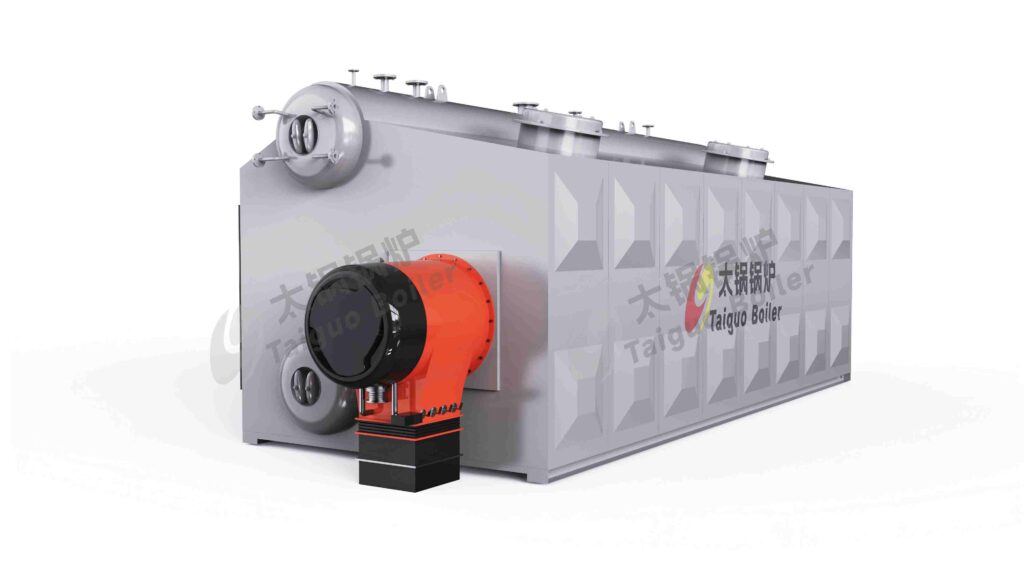
10–50 TPH: SZS Gas/Oil-Fired Water-Tube Boiler
- Thermal Output: 10 to 50 metric tons of saturated or superheated steam per hour.
- Pressure Rating: 1.25 to 3.82 MPa (12.5 to 38.2 bar).
- Structural Design: Double-drum D-type water-tube arrangement with fully membrane-welded water-cooling walls and automated soot blowers.
- Target Applications: Centralized industrial park utility stations, large paper mills, chemical plants, and heavy manufacturing complexes.
Engineering Support for Philippine Boiler Projects
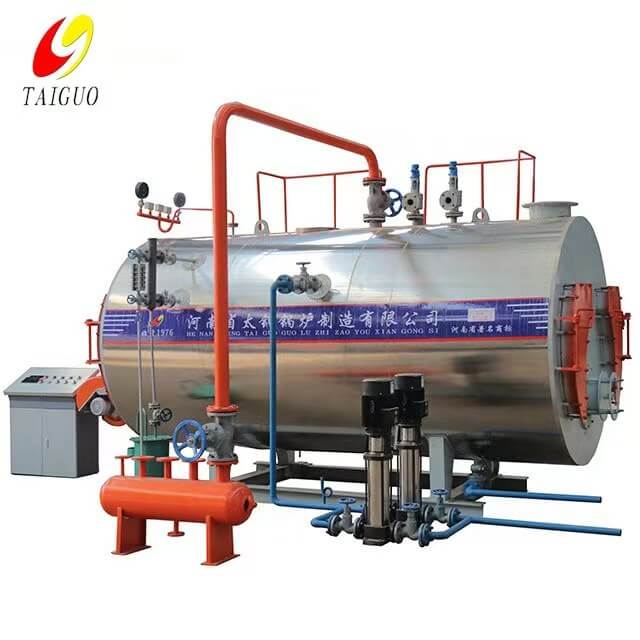
Deploying a boiler inside an industrial zone requires comprehensive technical planning. Our engineering team provides complete support from design to commissioning:
- Steam Load Calculation: We evaluate peak and average steam demand for your factory.
- System Customization: We select optimal burner systems, economizers, and water treatment units.
- Logistics and Shipping: We arrange direct container shipping to major Philippine ports.
- Installation Guidance: Our engineers assist local contractors with mechanical and electrical installation.
- Operator Training: We train site personnel on safe daily operation and routine maintenance.
- Feedwater Treatment Integration: Supplying automated dual-tank water softeners, chemical dosing systems, and deaerators to prevent scale accumulation and corrosion inside the boiler drum.
- Exhaust and Economizer Design: Sizing stainless steel or carbon steel economizers and calculating stack draft to maximize sensible heat recovery from flue gas.
- Fuel Train and Safety Interlocks: Designing compliant valve trains, emergency shut-off valves, oil preheaters, and pressure regulation skids.
Documentation and Project Support
Exporting industrial pressure equipment to the Philippines requires comprehensive technical and quality verification documents. Depending on the project scope and client specifications, we provide:
- General arrangement drawings and boiler room layout plans
- Pressure vessel design calculations and material test reports (MTR)
- Factory hydrostatic test certificates inspected by qualified third parties
- Burner technical documentation, wiring schematics, and emission test records
- Comprehensive operation, maintenance, and water treatment manuals
- Clean sea freight shipping documents, including Form E certificates for preferential customs duties
Note: Final installation permitting, environmental clearances, and operational safety permits should always be coordinated with the client’s local engineering team and the appropriate Philippine regulatory bodies.
Boiler Operating Cost and ROI Factors
Fuel purchases represent up to 80% of a boiler’s lifetime operating cost. Calculating return on investment (ROI) requires evaluating realistic operating parameters rather than assuming generic payback schedules.
Key variables governing boiler operating economics include:
- Real Steam Load Profile: Measuring actual steam consumption against peak boiler capacity prevents over-firing and short-cycling losses.
- Annual Operating Hours: Running 24-hour continuous schedules justifies capital investments in advanced heat recovery systems more quickly than running single 8-hour shifts.
- Heat Recovery Systems: Finned-tube condensing economizers capture waste heat from flue gases to preheat boiler feedwater, lowering fuel consumption by 5% to 8%.
- Condensate Return Rate: Returning clean, hot condensate back to the feed-water tank directly reduces fresh water intake, chemical dosing costs, and fuel consumption.
- Variable Frequency Drives (VFD): Installing VFDs on combustion air blowers and feed-water pumps cuts auxiliary electrical consumption during low-load modulation.
We calculate detailed fuel consumption schedules based on your facility’s documented steam load, fuel type, and local utility rates.
Industrial Park Boiler Solutions by Philippine Region
We provide equipment delivery, documentation, and technical support across major manufacturing corridors:
Laguna and Batangas
Manufacturing facilities in Laguna Technopark, First Philippine Industrial Park (FPIP), and the Batangas corridor often prioritize compact packaged boilers to maximize limited floor space in food processing, electronics, packaging, and automotive supply facilities.
Central Luzon (Clark, Subic, and Bataan)
Plants in regional freeports and industrial estates often select dual-fuel configurations to ensure fuel availability across light manufacturing, garment processing, and aviation support facilities.
Cebu and Visayas
Manufacturing facilities in Mactan Economic Zone and surrounding Cebu clusters frequently deploy LPG and diesel steam boilers for food production, beverage bottling, and commercial laundry services where natural gas pipeline networks are unavailable.
Davao and Mindanao
Industrial processors in southern corridors rely on high-capacity process steam boilers for food manufacturing, vegetable oil refining, agricultural packaging, and bulk processing operations.
Related Philippine Boiler Resources
Explore more technical guides to optimize your factory thermal utility systems:
- Hub Page: Industrial Boiler Solutions in the Philippines
- Biomass Guide: Agricultural Biomass Boiler Solutions for Philippine Rice & Coconut Mills
- Food Processing Guide: Food Industry Steam Boiler Selection & Steam Quality Standards
- Commercial Laundry Guide: High-Efficiency Steam Systems for Commercial Laundries
Expert FAQ for PH Plant Managers
What steam capacity is typical for a Philippine industrial park factory?
Most light manufacturing and food processing plants operate steam boilers between 1 TPH and 6 TPH. Plants with multiple high-volume production lines or bulk chemical operations usually install modular units between 6 TPH and 10 TPH. Modular setups handle varying production shifts efficiently.
What steam pressure do typical industrial park factories require?
Most industrial park facilities require saturated steam operating between 0.7 MPa (7 bar) and 1.25 MPa (12.5 bar). Standard food autoclaves, commercial laundry units, and packaging corrugators operate reliably within this pressure band. Always confirm the required pressure at your processing machines before sizing the boiler.
Should our factory select natural gas, LPG, diesel, or dual fuel?
Choose natural gas if your industrial park has direct pipeline or LNG access. Where pipeline gas is unavailable, LPG provides clean automated heating via bulk tanks. Diesel works well in remote locations without gas infrastructure. We also provide dual-fuel burners, allowing operators to switch instantly between gas and diesel during fuel shortages.
How much space does a packaged WNS boiler require, and is it easy to relocate?
A standard packaged 2-ton WNS boiler occupies approximately 4.5 meters by 2.2 meters, with a height of 2.6 meters. Because the boiler, burner, and feed pumps sit on an integrated steel skid, the unit requires minimal civil work. If your factory expands or relocates, the entire skid package unbolts easily for flatbed transport.
How do you protect the boiler from high humidity in the Philippines?
We apply multi-layer industrial anti-corrosion marine paint to the boiler shell and external fittings. All primary electrical control cabinets feature an IP54 weather-resistant enclosure. These protective measures prevent tropical moisture, rain, and coastal salt air from damaging delicate internal relays and sensors.
What is the total lead time from order to completed on-site installation?
Standard WNS models require approximately 30 to 45 days for manufacturing. Direct sea freight to Manila, Batangas, or Subic ports takes 10 to 18 days depending on the shipping route. Once the unit arrives on-site, mechanical placement and external utility connections typically take 7 to 14 days.
What documentation is provided for Philippine factory audits and permitting?
We provide comprehensive technical packages to support local compliance reviews. Documentation includes certified pressure vessel drawings, factory hydrostatic test certificates, electrical wiring schematics, and burner low-NOx emission reports. We also supply Form E certificates to assist with preferential customs clearance.
Start Your Gas & Diesel Boiler Solutions with Kim’s Expertise
Ready to upgrade your factory in a Philippine industrial zone? Leverage my 10 years of experience to get a system that is efficient, compliant, and cost-effective.
- Free Site Layout Design: We help you optimize the boiler room for safety and space.
- Fast Logistics: We manage sea freight to Manila or Batangas Port with all Form E documentation for zero-duty import.
Get a Custom Boiler Proposal for Your Industrial Park
Tell us your:
- industrial park location
- steam demand
- working shifts
- gas or diesel preference
- boiler room size
Our engineers will provide within 12 hours:
- Boiler model selection
- Fuel consumption sheet
- ROI calculation
- PEZA compliance support
- Shipping plan to Manila / Batangas
👉 Contact Export Engineer Kim
- Gas & Diesel Boiler Solutions Case Gallery: Explore Our Philippine Factory Installations
Align your local factory project boundaries with our verified industrial boiler selection guide
Check strict regulatory auditing budgets inside the official steam boiler price in philippines guide now.
We configure premium dual-fuel package burners specifically for regional philippine industrial parks boiler solutions.