
How a 4-Ton Biomass Steam Boiler Helped Reduce Fuel Costs by Up to 42% at a Food Processing Facility
Contents Hide 1 Thermal Cost Optimization for Food Manufacturing Facilities 1.1 Replacing expensive traditional fossil fuels with localized, high-efficiency biomass steam technology for continuous production. 2 Project Snapshot 3 Food Processing Plant Faced Rising Fuel Costs 4 Client Background 5 Challenges 6 Why the Food Factory Evaluated Biomass Steam Solutions 6.1 Strategic Reasons for Transitioning […]
Get Instant Quote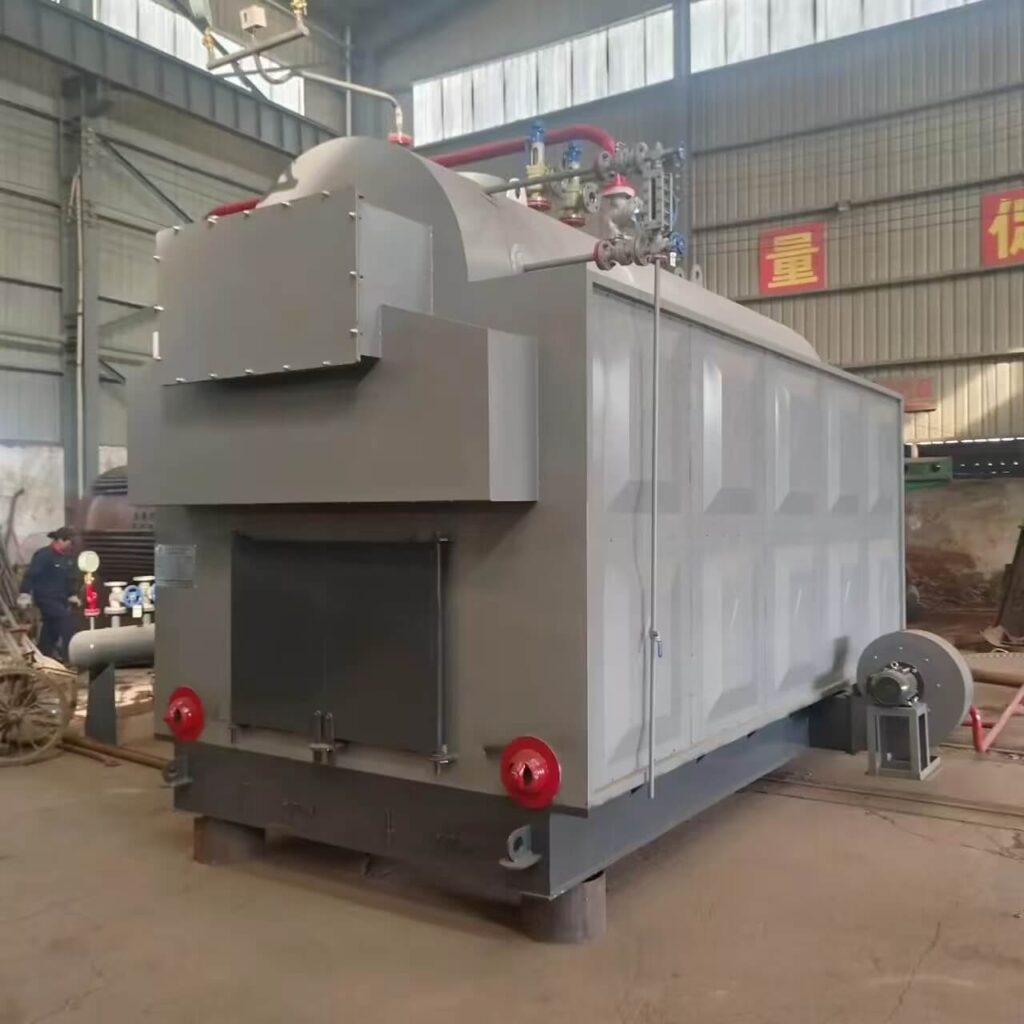
Technical Specifications
Thermal Cost Optimization for Food Manufacturing Facilities
Replacing expensive traditional fossil fuels with localized, high-efficiency biomass steam technology for continuous production.
CN MIRACLE engineered and commissioned a custom 4-ton Biomass steam boiler system, helping a modern food processing plant eliminate energy bottlenecks, stabilize steam output, and achieve substantial operational savings.
Project Snapshot
| Project Parameter | Technical Specification & Details |
| Industry Sector | Food & Beverage Processing |
| Boiler Technology | Biomass-Fired Industrial Steam Boiler Package |
| Steam Capacity | 4.0 Tons/Hour (4,000 kg/h continuous output) |
| Design Pressure | 1.0 MPa (10 bar) / Custom Saturated Steam |
| Primary Fuel Source | Local Agricultural Residues / Wood Pellets / Biomass Chips |
| Primary Objective | Cut high daily fuel costs, ensure stable process steam, reduce price vulnerability |
| Reported Operational Impact | Up to 42% reduction in total fuel expenditure |
Food Processing Plant Faced Rising Fuel Costs
Client Background
Company: Green Harvest Foods Co., Ltd.
Industry: Food Processing
Annual Production Capacity: 120,000 tons of finished goods
Energy Demand: Continuous steam supply for sterilization, drying, and packaging
GreenHarvest had relied on a traditional coal-fired boiler for more than 12 years. Rising fuel prices, tightening emissions standards, and unstable steam output pushed the company to search for a cleaner, more cost-effective solution.
Continuous food production demands an uninterrupted, high-purity thermal steam supply. Operating on expensive conventional fossil fuels (such as diesel, LPG, or un-subsidized pipeline gas) subjects processing facilities to unpredictable energy bills that directly squeeze profit margins.
Challenges
Before adopting a biomass steam boiler, the company faced several issues:
- High fuel expenses due to fluctuating coal prices
- Low thermal efficiency (63%) resulting in energy waste
- Frequent maintenance and downtime
- Difficulty meeting local emission regulations
- Inconsistent steam pressure affecting production quality
- Price Volatility Vulnerability: Sudden fluctuations in commercial oil and gas pricing made long-term financial forecasting difficult.
- Underutilized Local Resources: The facility’s proximity to agricultural processing zones meant abundant, low-cost organic waste streams were being overlooked.
- Environmental & Sustainability Pressures: Growing commercial demands for reduced carbon intensity required cleaner, renewable thermal energy practices.
The company needed an energy system that was stable, compliant, and cost-efficient.
Why the Food Factory Evaluated Biomass Steam Solutions
Biomass thermal energy offers an economically viable, renewable alternative to fossil fuels. However, whether biomass provides significant cost savings depends on localized fuel availability, moisture levels, bulk density, and supply chain logistics.
Strategic Reasons for Transitioning to Biomass:
- Favorable Local Fuel Economics: Access to abundant agricultural residues or processed biomass pellets substantially lowers the cost per gigajoule (GJ) of generated heat.
- Long-Term Price Stability: Agricultural fuel sources maintain more predictable baseline pricing compared to global fossil fuel markets.
- Closed-Loop Sustainability: Utilizing organic residues creates a carbon-neutral steam cycle alignment with modern food safety and corporate sustainability standards.
Solution: Installation of a 4-ton Biomass steam boiler
To meet the factory’s continuous operational steam load, CN MIRACLE supplied a fully integrated, heavy-duty 4-ton Biomass steam boiler system equipped with automated fuel feed and multi-stage combustion controls.
Engineered System Features:
- Heavy-Duty Chain Grate Stoker: Designed for continuous fuel conveyancing and uniform air distribution to prevent clinker formation.
- Automated Screw/Grate Fuel Feeding: Synchronized fuel supply tied directly to system pressure and steam demand.
- Optimized Furnace Geometry: High-volume combustion chamber ensures sufficient volatile residence time for complete burn-out.
- Multi-Stage Dust Collection: Cyclone separator paired with a bag filter to meet local industrial air emission limits.
- Smart PLC System Logic: Automatic water level, boiler pressure, and forced-draft combustion monitoring.
After technical evaluation, GreenHarvest selected a 4-ton Biomass steam boiler featuring:
- High thermal efficiency (88%+)
- Low NOx and dust emissions
- Automatic feeding system compatible with wood pellets, palm shells, and agricultural residues
- PLC control for stable steam output
- Integrated economizer and air preheater to improve heat recovery
The boiler was designed to operate with locally sourced biomass fuel, reducing transportation and procurement costs.

Steam Applications in the Food Processing Plant
Industrial steam acts as both a direct process heat exchange medium and a plant-wide sanitation driver within food manufacturing lines.
Critical Thermal Process Points Supported:
- Jacketed Pan Cooking & Boiling: Saturated steam delivers consistent, indirect thermal energy for continuous sauce, soup, and food batch preparation.
- Autoclave & Retort Sterilization: High-pressure steam provides precise temperature regulation necessary for commercial canning and food packaging safety.
- Drying & Evaporation: Steam heat exchangers supply clean, hot air to dehydration tunnels and fluid bed dryers without product contamination.
- Clean-In-Place (CIP) & Facility Sanitation: High-temperature steam and hot water loops flush production lines, tanks, and valves to maintain strict food hygiene standards.
How the Project Reduced Fuel Costs by Up to 42%
Achieving up to a 42% cost reduction requires combining low-cost raw thermal input with high boiler combustion efficiency.
Primary Financial & Technical Drivers:
- Substantial Fuel Price Differential: Replacing high-cost fossil fuel with locally sourced biomass chips/pellets dramatically lowered the overall energy expenditure per ton of steam generated.
- High System Thermal Efficiency: Multi-pass heat transfer tubes and integrated economizers maximized heat transfer to the water space.
- Automated Fuel & Air Ratios: PLC-controlled forced/induced draft fans prevented excess air losses and unburned fuel waste.
- Eliminated Peak Demand Penalties: Stable biomass output prevented frequent electrical or fossil-fuel auxiliary standby charges.
Engineering Note: Actual operational cost savings vary depending on local biomass moisture content, transportation distance, storage conditions, and regional fossil fuel prices.
Operational Performance Comparison
| Performance Parameter | Legacy Heating Setup | Modernized 4-Ton Biomass System | Operational Impact |
| Primary Fuel Source | Fossil Fuel (Oil/Gas) | Processed Biomass / Pellets | Major input cost reduction |
| Operating Fuel Cost | High Opex Baseline | Reduced by Up to 42% | Direct boost to plant profit margins |
| Combustion Automation | Manual/Basic Control | Fully Automated PLC System | Reduced manual labor & steady pressure |
| Steam Output Stability | Variable under load | Steady 4.0 t/h Output | Consistent cooking & batch cycle times |
| Emissions Strategy | Traditional Exhaust | Cyclone + Bag Filter Setup | Full compliance with local environmental standards |
Why a 4-ton Biomass steam boiler Capacity Was Selected
Matching the boiler rating precisely to real-world plant steam demand is vital for long-term operational efficiency.
The Importance of Correct System Sizing:
- Avoids Low-Load Efficiency Losses: Oversized boilers operate inefficiently during light production shifts, wasting fuel.
- Prevents Production Bottlenecks: Undersized units cannot maintain required steam pressure during peak simultaneous washdown and cooking cycles.
- Optimizes Capital Investment: Sizing at 4.0 t/h provided the ideal balance between initial equipment cost and return-on-investment (ROI) payback speed.
Read our detailed guide on How to Select the Right Steam Boiler Capacity.
Results
After six months of operation, the biomass steam boiler delivered measurable improvements:
✓ 42% Reduction in Fuel Costs
Switching from coal to wood pellets cut annual fuel expenses from $580,000 to $335,000.
✓ 30% Increase in Thermal Efficiency
The new system achieved 88% efficiency, reducing fuel waste and improving steam availability.
✓ 100% Compliance With Emission Standards
Dust, SO₂, and NOx emissions stayed well below local regulatory limits.
✓ Stable Steam Output
Steam pressure fluctuations dropped by 60%, improving product consistency.
✓ 20% Lower Maintenance Costs
The automated feeding and ash-handling system reduced manual labor and equipment wear.
Environmental Impact
By replacing coal with biomass, the company reduced CO₂ emissions by over 4,800 tons per year, supporting its annual sustainability goals and improving its corporate environmental image.
Client Testimonial
“The biomass steam boiler has transformed our energy system. We achieved lower costs, cleaner production, and more stable steam output. It was one of the best investments we’ve made in the past decade.”
— Energy Manager, GreenHarvest Foods Co.
Why Biomass Steam Boilers Are an Ideal Upgrade
- Renewable, cost-effective fuel
- Lower carbon footprint
- Higher efficiency than aging coal or gas boilers
- Fast ROI (usually 1–3 years)
- Suitable for food processing, textiles, chemicals, pharmaceuticals, and agriculture
Engineering Support & Implementation Workflow
Deploying an industrial biomass steam system requires complete balance-of-plant (BOP) engineering, fuel handling logic, and environmental considerations.
Complete Engineering Scope Delivered:
- Steam Load & Peak Demand Audit: Analyzing mass-energy balance across cooking kettles, sterilizers, and washdown loops.
- Biomass Fuel Testing & Analysis: Verifying fuel calorific value, moisture percentage, and ash melting characteristics.
- Fuel Storage & Conveying Layout: Designing automated fuel hoppers, screw conveyors, and boiler room ash discharge systems.
- Flue Gas Filtration Engineering: Integrating multi-cyclones and baghouse filters to keep particulate emissions within local regulatory limits.
- On-Site Installation & Staff Training: Comprehensive boiler room layout design, piping supervision, safety testing, and operator training.
Learn more about our global execution capability on our Engineering Hub.
Related Food Industry Thermal Projects
Explore how our custom industrial steam and thermal solutions support processing operations across global markets:
- Food & Beverage Industry Steam Solutions Hub – Complete boiler systems engineered for food safety, cooking, and canning.
- Biomass Steam Boiler Product Catalog – High-efficiency chain grate and wood-fired steam boilers from 1 to 20 t/h.
FAQ: Essential 2026 ROI Insights
Is the initial investment for a 4-ton Biomass steam boiler significantly higher?
Yes, the CapEx is typically 30-40% higher than a gas boiler due to the Critical fuel handling and storage systems. However, the Validated 42% fuel savings often result in a full payback within 24 months, making it a Superior long-term investment.
How does the boiler handle the stricter 2026 emission laws?
Every Taiguo TG-Biomass unit is equipped with a Critical multi-cyclone dust collector and a bag filter. This ensures emissions are comparable to natural gas, meeting the Authoritative local air quality standards in almost all industrial zones.
Can a 4-ton Biomass steam boiler be monitored remotely?
Absolutely. Our 2026 series features Seamless IoT integration. Plant managers can track steam output, fuel consumption, and stack temperatures from a smartphone, providing Reliable oversight of the green transition.Conclusion
Planning to Reduce Fuel Costs at Your Food Processing Plant?
Every food factory operates under distinct production schedules, steam pressure targets, and fuel availability profiles.
Our application engineering team can assist you in evaluating:
- Boiler room layout, automated fuel feeding, and flue gas treatment requirements
- Exact steam load requirements (t/h) based on your processing machinery
- Local biomass fuel suitability (calorific value, moisture, supply stability)
- Potential operational fuel cost savings vs. current energy bills
Contact our energy experts today for a customized biomass conversion proposal.
Discover genuine corporate utility financial return summaries using our insights industrial boiler applications by industry.
Verify continuous high-pressure canning line validation parameters inside Steam Boilers for Food Processing Factories in Uzbekistan | Safe & Efficient Solutions.
Evaluate localized agricultural waste storage footprint constraints through High-Efficiency Steam Boiler for Azerbaijan Mushroom Farm Misting Systems – Boost Your Crop Yield.