
Decarbonizing the Archipelago: Why Biomass is the Strategic Energy Hedge for Philippine Industry in 2026
As of April 10, 2026, the Philippine manufacturing sector—from Davao’s fruit processing to Central Luzon’s rice mills—is at a crossroads. With fossil fuel prices volatile and the DENR “Blue Sky” Drone Audits intensifying, the shift to biomass is no longer optional; it is a survival strategy.
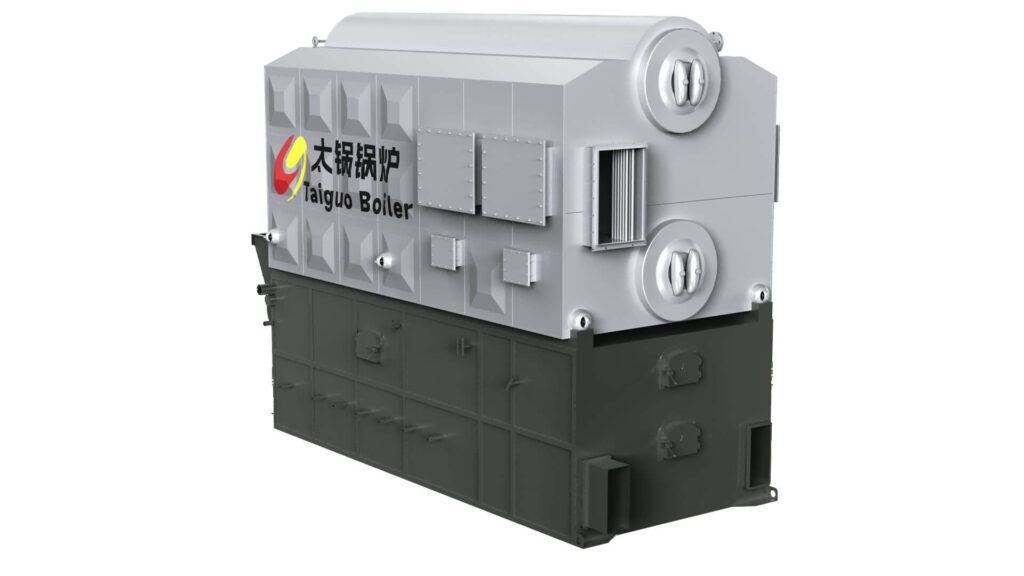
At Henan Taiguo Boiler, as certified biomass energy equipment supplier we provide “Archipelago-Optimized” Biomass Boiler in Philippines designed to convert local agricultural waste into high-precision thermal energy. Our 2026 series allows you to bypass the high Meralco rates and position your business as a Carbon-Neutral leader in the global supply chain.
Feedstock Engineering: Solving the “Philippine Fuel DNA”
In the 2026 Philippine energy landscape, a biomass boiler cannot afford to be a “single-fuel” machine. It must be a Poly-Fuel Asset capable of maintaining high thermal efficiency while processing residues with vastly different chemical signatures. At Taiguo, we have moved beyond generic designs to engineer the “Archipelago-Spec” furnace, specifically calibrated for the unique Fuel DNA of the Philippines.
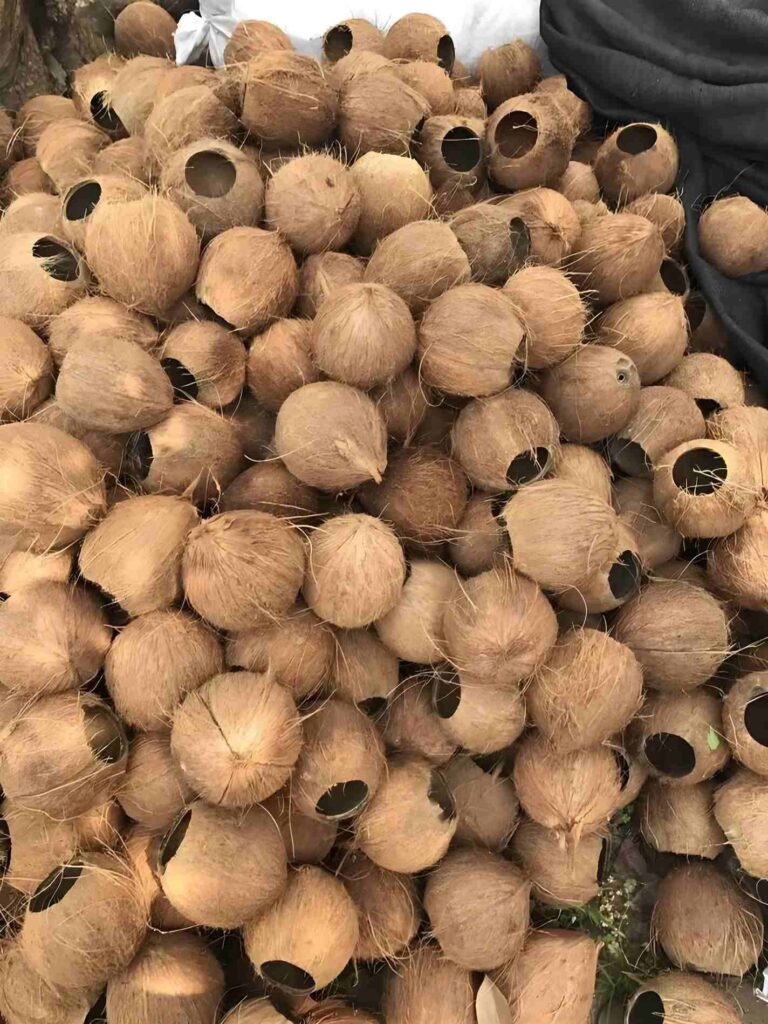
1. The Coconut Shell Algorithm: Managing High Volatility
- The Philippine Context: Predominant in Mindanao (Davao, General Santos) and Southern Tagalog, coconut shells are a premium biomass source with a calorific value rivaling some coals (~17,500 kJ/kg).
- The Technical Challenge (The “Flash” Effect): Coconut shells contain up to 75% Volatile Matter. In a standard boiler, these gases are released almost instantaneously upon entering the furnace.
- The Consequence: This leads to “Flash Combustion,” creating localized temperature spikes that can melt standard cast-iron grate bars and cause Positive Pressure in the furnace, posing a safety risk to operators.
- The Taiguo Engineering Solution: Secondary Air Injection (SAI) Logic.
- Architecture: We utilize a 70:30 Split-Air Distribution System. Instead of providing all the oxygen through the grate, we withhold 30% and inject it through high-velocity nozzles located in the “Middle-Combustion Zone.”
- The Physics: This creates a Cyclonic Flame Path. The volatile gases are “wrapped” in oxygen and burnt in suspension rather than on the grate. This protects the mechanical integrity of the grate while ensuring a complete burnout, reducing CO emissions to near-zero and pushing thermal efficiency to 89.2%.
2. The Rice Husk Challenge: Neutralizing Silica & Slagging
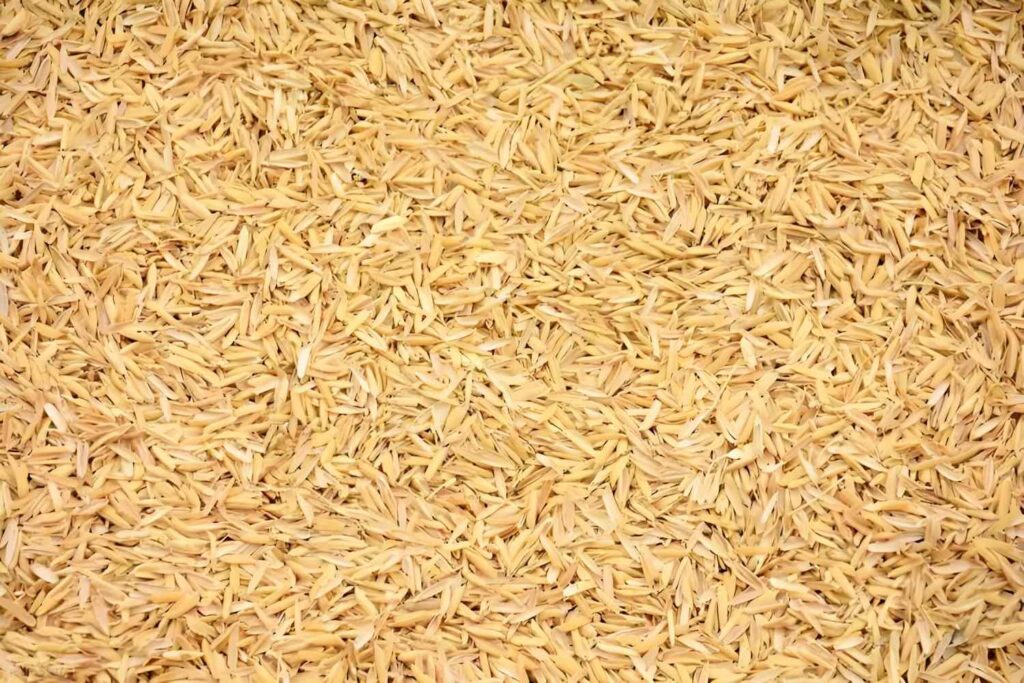
- The Philippine Context: Central Luzon (Nueva Ecija, Tarlac) and Iloilo produce millions of tons of rice husks annually.
- The Technical Challenge (The “Glass” Effect): Rice husks have a 20% Silica (SiO2) content. At furnace temperatures exceeding 1,000 degree, this silica reacts with potassium to form “Eutectic Slag”—a liquid-glass-like substance that coats boiler tubes.
- The Consequence: This slag acts as a thermal insulator, dropping efficiency by 15% in just 48 hours of operation. Furthermore, the ash is highly abrasive, leading to “Tube Thinning” and eventual rupture.
- The Taiguo Engineering Solution: Low-Velocity Flue Gas & Material Armor.
- Structural Modification: We have expanded the furnace volume of our DZL series by 25%.
- The Physics: By increasing the volume, we reduce the Flue Gas Velocity. Slower gas means less kinetic energy for the abrasive silica particles, significantly reducing “Sandblasting” erosion on the convection tubes.
- Advanced Metallurgy: We utilize Inconel-clad or Cr-Mo Alloy Steel for the first pass of the convection bank. This “Armor-Plating” resists silica-induced erosion, extending the pressure vessel’s life to 20+ years despite the harsh Philippine feedstock.
3. Sugarcane Bagasse & Wood Waste: Moisture Resilience
- The Philippine Context: Critical for sugar mills in Negros and furniture hubs in Pampanga.
- The Technical Challenge (The “Moisture Barrier”): Fresh bagasse can have moisture content exceeding 50%. Standard furnaces struggle to maintain a stable flame, leading to “Black Smoke” and constant flame-outs.
- The Taiguo Engineering Solution: The “Front-Arched” Pre-Heating Zone.
- Architecture: We utilize an extended, insulated Front Refractory Arch.
- The Physics: This arch radiates intense infrared heat back onto the incoming wet fuel. It creates a “Drying Zone” on the first 1.5 meters of the grate. By the time the fuel reaches the primary combustion zone, the moisture has been evaporated into steam, allowing for a stable, high-temperature flame without the need for auxiliary oil burners.
4. Integrated Fuel Handling: The “Archipelago Logistics”
- The Challenge: Philippine biomass is often non-uniform. A batch of coconut shells might be mixed with coir or wood splinters.
- The Taiguo Solution: The Frequency-Controlled Screw Feeder.
- Our feeding systems are equipped with Variable Frequency Drives (VFDs). Using our 5G Industrial IoT sensors, the boiler’s PLC automatically adjusts the feeding speed based on the flue gas oxygen levels. If a “Low-Density” batch of husks enters, the system speeds up to maintain steam pressure; if “High-Calorific” shells enter, it slows down to prevent overheating.
Product Matrix: Tonnage & Strategic Industrial Deployment
Selecting the correct biomass thermal architecture in the Philippines is a balance between Instantaneous Steam Load, Feedstock Availability, and Regulatory Compliance Costs. For 2026, Taiguo has engineered a multi-tier matrix that aligns with the specific production scales of the archipelago’s key industrial clusters.
1. Biomass Boiler in Philippines SZL Series: The “Industrial Powerhouse” Double-Drum (6 – 20 Ton/hr)
- Target Segments: Large-scale Sugar Refineries in Negros, Tuna Canneries in GenSan, and Multinational Beverage Plants in Cebu.
- Thermodynamic Architecture: * The SZL series Biomass Boiler in Philippines utilizes a Double-Drum, Water-Tube structure. Unlike fire-tube boilers, this design offers a significantly larger water volume and heating surface.
- The Benefit: This provides massive Thermal Inertia. When a tuna cannery activates multiple high-pressure retorts simultaneously, the SZL Biomass Boiler in Philippines can handle the sudden steam surge without a significant pressure drop or “Priming” (water carryover), ensuring 99.5% Dry Saturated Steam.
- Grate Technology: Equipped with a Heavy-Duty Chain Grate or Reciprocating Grate.
- Fuel Strategy: Optimized for Coconut Shells and Large-Scale Wood Chips. The grate speed is frequency-controlled to ensure complete burnout, reaching a combustion efficiency of 88%.
- Strategic Deployment: For facilities in Mindanao, we integrate an automated fuel-handling system that can process bulk coconut husks directly from the plantation, reducing labor costs by 45%.
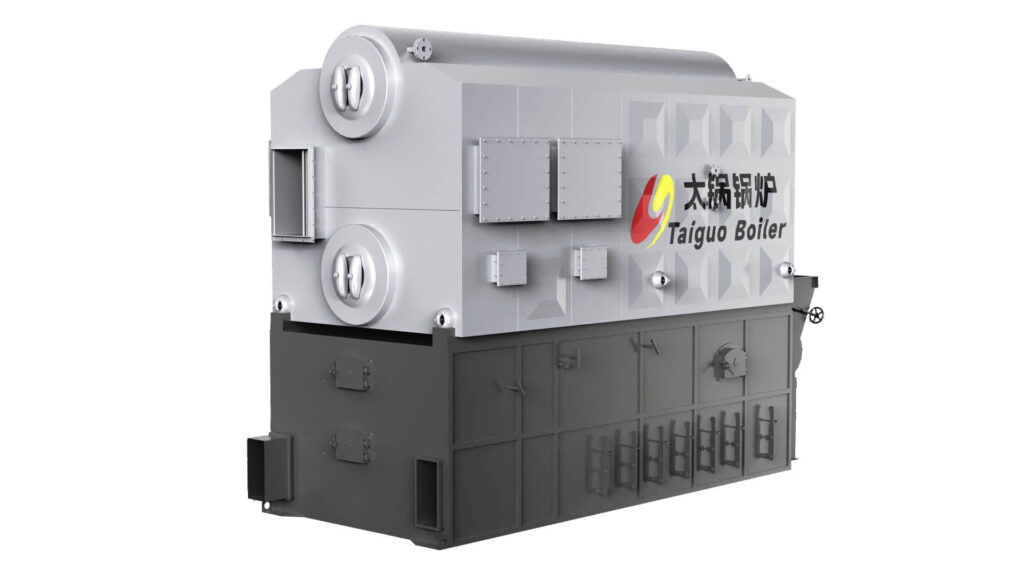
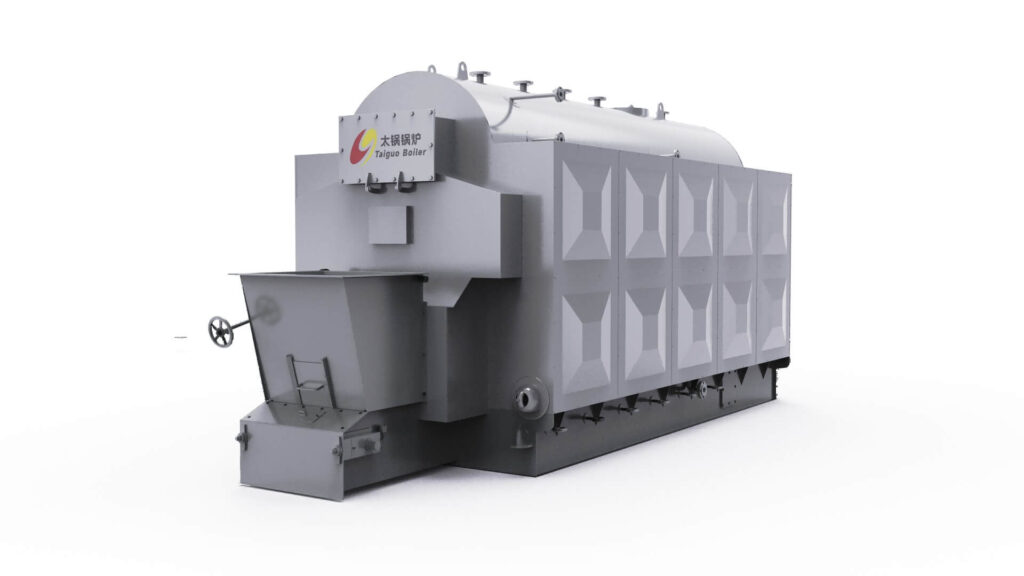
2. Biomass Boiler in Philippines DZL Series: The “Plug-and-Play” Hybrid (1 – 6 Ton/hr)
- Target Segments: Mid-sized Rice Mills in Nueva Ecija, Textile Dye Houses in Bulacan, and Regional Hospitals.
- Thermodynamic Architecture: * A Hybrid Fire-Water Tube design with a single longitudinal drum. It combines the rapid steam response of a water-tube boiler with the robust stability of a fire-tube boiler.
- The Benefit: Compact footprint. This unit is designed for Urban Industrial Zones where real estate is at a premium. Its “Threaded Fire Tubes” increase heat transfer efficiency by 15% compared to standard smooth tubes.
- Feedstock Versatility: The DZL series Biomass Boiler in Philippines is our most “Fuel-Flexible” asset. It is the primary choice for Rice Husks in Central Luzon.
- The “Island-Spec” Edge: We utilize Low-Velocity Convection Banks to prevent the high silica content of Philippine rice husks from eroding the tube walls—a common failure point in competitor models.
3.Biomass Boiler in Philippines DZH Series: The “SME Energy Independence” (0.5 – 2 Ton/hr)
- Target Segments: Small Food Processors, Boutique Hotels, and Artisanal Coconut Oil Mills.
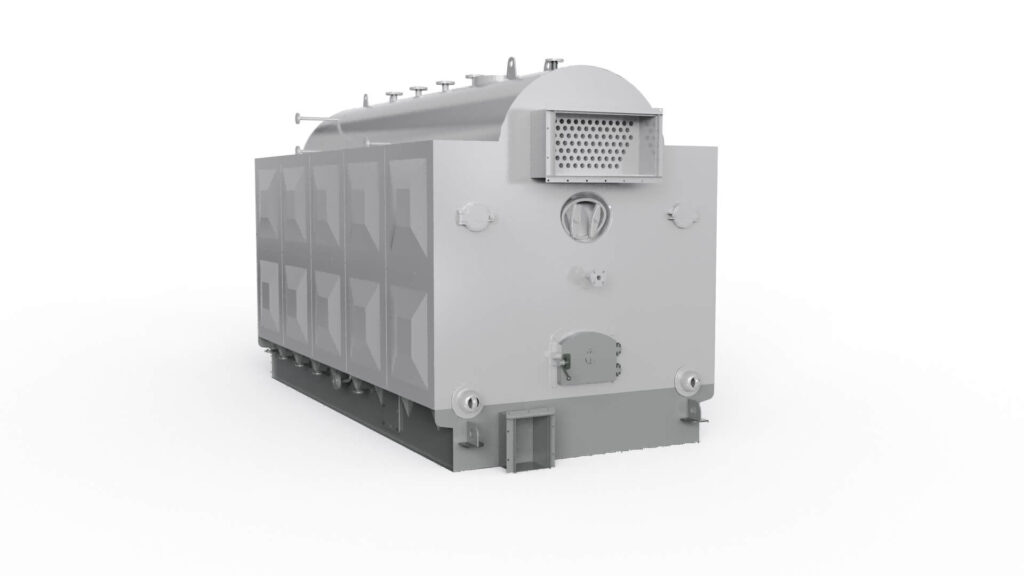
- Thermodynamic Architecture: * A Vertical or Horizontal Hand-Fired/Semi-Automatic series. It focuses on Simplicity and Mechanical Resilience.
- Strategic Deployment: In remote provinces like Palawan or Leyte, where technical support is limited, the DZH series Biomass Boiler in Philippines is the ultimate asset. It requires minimal electrical input and can be operated by locally trained staff with basic technical skills.
- Financial Impact: It replaces expensive Diesel-fired boilers, shielding the business from the volatility of imported fuel prices with a CAPEX that is 30% lower than fully automated systems.
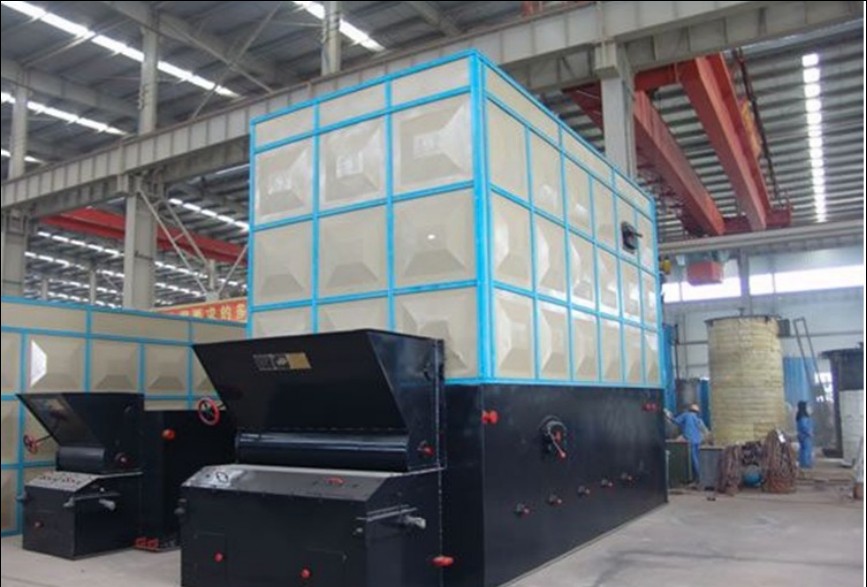
4. Biomass Boiler in Philippines YLW Series: Biomass Thermal Oil Boilers (1M – 10M kcal/hr)
- Target Segments: Plywood Manufacturing in Davao, Textile Heat-Setting (Stentering) in Cavite, and Asphalt Heating.
- The “Zero-Water” Advantage: * In areas with Extreme Water Hardness (e.g., Batangas), generating high-pressure steam is a maintenance nightmare.
- The Strategy: Thermal oil is a closed-loop system. It provides high temperatures (up to 320 degree at Ultra-Low Pressures (<0.8 MPa).
- Strategic Deployment: This eliminates the need for high-pressure vessel certifications and the “Scale Tax” associated with Philippine groundwater, ensuring a 24/7 continuous thermal flow for delicate textile finishing.
2026 Tonnage Selection & Compliance Matrix of Biomass Boiler in Philippines (Philippines)
| Industry Sector | Typical Steam Load | Recommended Model | Fuel Strategy |
| Tuna/Seafood (GenSan) | 10 – 25 Ton/hr | SZL Water-Tube | Coconut Shell / Coir |
| Rice Milling (Central Luzon) | 2 – 10 Ton/hr | DZL Hybrid | Rice Husk (High-Silica) |
| Textile Dyeing (PEZA) | 4 – 15 Ton/hr | WNS/SZL Dual | Biomass + Gas Backup |
| Plywood (Mindanao) | 2M – 8M kcal | YLW Thermal Oil | Wood Waste / Bark |
The 2026 “Archipelago Digital Shield”: 5G & IoT Deployment
Every tonnage in the 2026 Taiguo matrix is not just a boiler; it is a Node in the Industrial IoT.
- 5G Industrial Gateway: For a mill in Isabela, a sensor failure can halt a ₱1 Million-a-day operation. Our system monitors flue gas temperature, oxygen levels, and grate vibration in real-time.
- Remote Optimization: Our engineers in the China Command Center can remotely tune your combustion parameters to match a new batch of fuel (e.g., switching from Wood Chips to Bagasse), ensuring you never lose your 104% efficiency baseline.
- BOC e-CP Integration: We manage the digital Form E synchronization, ensuring that whether you buy a 1-ton or 20-ton unit, you receive the 0% RCEP Duty benefit, saving you up to ₱1.2 Million in customs overhead.
Strategic Application Scope Of Biomass Boiler in Philippines: Regional Feedstock Synergy
In the Philippines, the application of biomass technology is a logistical and thermodynamic matching exercise. As of April 11, 2026, the Department of Energy (DOE) has incentivized “Distributed Generation,” where factories leverage the agricultural residue of their specific province to achieve energy sovereignty.
1. The Coconut & Desiccated Industry (Mindanao & Southern Tagalog)
- Regional Focus: Davao City, General Santos (GenSan), Zamboanga, and Quezon Province.
- Process Requirement: Continuous, high-enthalpy steam for oil extraction, drying, and pasteurization.
- The Taiguo Strategy: Utilizing the SZL Double-Drum Water-Tube Boiler (6–20 Ton/hr) Biomass Boiler in Philippines.
- The Synergy: Coconut shells are a high-density fuel. We engineer the combustion chamber to handle the 75% volatile matter release.
- ROI Impact: For a desiccated coconut plant in Davao, using the shells (a byproduct of their own production) reduces the cost per ton of steam to nearly zero, transforming a waste-disposal headache into a multi-million peso energy asset.
2. Rice Milling & Agri-Processing (Central Luzon & Panay Island)
- Regional Focus: Nueva Ecija (The Rice Granary), Tarlac, Pangasinan, and Iloilo.
- Process Requirement: Large-scale paddy drying and parboiling, which require steady, low-to-medium pressure steam.
- The Taiguo Strategy: Utilizing the DZL Hybrid Fire-Water Tube Boiler (2–10 Ton/hr) Biomass Boiler in Philippines.
- The Synergy: Rice husks are abrasive and high in silica. Our Low-Velocity Convection Bank design prevents the “Sandblasting” effect on boiler tubes.
- Compliance: Integrated with Ceramic Multi-Tube Scrubbers, these units ensure the high-ash content of rice husks does not trigger DENR “Blue Sky” drone alarms, allowing mills to operate 24/7 during harvest peaks without environmental fines.
3. Sugar Refineries & Distilleries (Negros Occidental & Batangas)
- Regional Focus: Bacolod (The Sugar Capital) and Don Pedro clusters.
- Process Requirement: Extreme steam loads for evaporation and distillation columns.
- The Taiguo Strategy:SZL High-Pressure Series (15–35 Ton/hr) Biomass Boiler in Philippines or Biomass Co-generation (CHP).
- The Synergy: Sugarcane Bagasse is often wet (>50% moisture). Our Extended Front Refractory Arch creates a “Pre-Heating Zone” that dries the bagasse before it hits the combustion bed.
- Economic Impact: Refineries can achieve Total Energy Independence by generating both process steam and captive power, shielding them from the ₱14.35/kWh Meralco rates seen in the Luzon grid.
4. Textile Dye Houses & Garment Finishing (PEZA Zones)
- Regional Focus: Cavite, Laguna, and Bulacan Economic Zones.
- Process Requirement: Precise temperature control for dyeing vats and stenters.
- The Taiguo Strategy:YY(Q)W Biomass Thermal Oil Boilers (1M–8M kcal/hr) Biomass Boiler in Philippines.
- The Synergy: Utilizing Wood Waste or Pelletized Biomass.
- Thermodynamic Edge: Thermal oil provides temperatures up to 320 degree at low pressure. This eliminates the risk of “Scale-Induced Tube Failure” caused by the high-silica groundwater of Batangas, while lowering the carbon footprint for ESG-sensitive global buyers like Adidas or H&M.
5. Hospitality & Institutional Laundries (Boracay, Cebu, & Metro Manila)
- Regional Focus: Major tourism hubs and centralized laundry cooperatives.
- Process Requirement: Rapid steam generation for high-volume flatwork ironers and tunnel washers.
- The Taiguo Strategy:DZH Semi-Automatic Biomass Units (1–4 Ton/hr)Biomass Boiler in Philippines.
- The Synergy: Utilizing Wood Chips or Agricultural Pellets.
- Compliance Advantage: Compact designs that fit in urban boiler rooms. When paired with our Baghouse Filters, these units emit Zero Visible Smoke, making them compatible with the strict air quality standards of tourist zones like Boracay.
2026 Strategic ROI: The “Biomass vs. Fossil” Formula
| Industry Sector | Feedstock | Savings vs. Diesel (Annual) | Payback Period (CAPEX) |
| Rice Milling | Rice Husk | ₱18.5 Million | 11 Months |
| Coconut Oil | Coconut Shell | ₱24.2 Million | 8.5 Months |
| Textile Dyeing | Wood Waste | ₱12.8 Million | 14 Months |
| Tuna Canning | Mixed Biomass | ₱21.5 Million | 10 Months |
Strategic Compliance & ROI Analysis
By mastering the “Fuel DNA” of the Philippines, Taiguo provides a 3-Tier Financial Advantage:
- Fuel Arbitrage (₱ vs $): While Diesel and LPG are indexed to the volatile US Dollar, biomass is sourced in Pesos. In 2026, this saves a typical factory in Cebu approximately ₱3.35 Million annually in currency hedging costs alone.
- Maintenance Reduction: Our “Island-Spec” material engineering (Inconel-cladding) reduces annual tube-replacement costs by 65% compared to standard carbon-steel boilers.
- DENR “Blue Sky” Assurance: Complete combustion means Zero Visible Smoke. This shields your facility from the ₱50,000-per-day fine associated with the 2026 DENR drone-monitored emission standards.
FAQ: Strategic Implementation & Financials
Can we utilize “Coconut Husk” (Coir) instead of shell?
Yes, However, due to the lower bulk density of coir, we recommend a 50/50 blend with wood chips or shells. Our 2026 feeding system includes a Frequency-Controlled Screw Feeder specifically calibrated for the variable density of Philippine agricultural waste.
How does the 2026 DENR “Blue Sky” Drone Audit impact my biomass stack emissions?
This is the most critical compliance shift in 2026. The Department of Environment and Natural Resources (DENR) now utilizes autonomous drones equipped with LIDAR and gas sensors to perform unannounced audits in industrial hubs like Laguna and Bulacan.
The Challenge: Biomass (especially Rice Husks) can produce high Particulate Matter (PM) and “Black Smoke” if combustion is incomplete.
The Taiguo Shield: Our 2026 series is engineered for Zero Visible Smoke. We utilize a Three-Stage Filtration Suite:
Primary: High-efficiency Mechanical Cyclones to capture large fly ash.
Secondary: Ceramic Multi-Tube Scrubbers for sub-micron soot.
Tertiary (Optional): Pulse-Jet Baghouse Filters that achieve emissions <20mg/Nm³, far exceeding the Clean Air Act requirements. This makes your facility “invisible” to drone audits, avoiding the mandatory ₱50,000-per-day fine.
Can we burn “Fresh Bagasse” or “Wet Wood Waste” (>50% Moisture) without auxiliary fuel?
Yes, but it requires specific furnace geometry. Standard boilers often flame out or produce massive amounts of CO when fed wet fuel.
The Engineering: Taiguo’s SZL and DZL series Biomass Boiler in Philippines feature an Extended Front Refractory Arch.
The Physics: This arch acts as a “Thermal Battery,” radiating intense infrared heat back onto the incoming fuel bed. This creates a Pre-Drying Zone on the first 1.5 meters of the grate, evaporating moisture before the fuel reaches the primary ignition zone. This ensures a stable flame and maintains steam pressure even during the Philippine monsoon season when fuel storage tends to be damp.
How do we neutralize the “Silica Tax” when burning Rice Husks in Central Luzon?
Rice husks in Nueva Ecija and Tarlac contain up to 20% Silica (SiO₂). This is essentially “Liquid Glass” that erodes tubes and causes severe slagging.
The Strategy: We implement Low-Velocity Flue Gas Design (<6m/s). By slowing down the gas, we reduce the kinetic energy of the abrasive silica particles, preventing “Sandblasting” on your boiler tubes.
The ROI: Combined with our Integrated Automatic Soot Blowers, this prevents the 1mm scale layer that would otherwise cause a 10% jump in fuel consumption, saving a 10-ton facility approximately ₱1.8 Million annually in wasted energy.
Is the RCEP 0% Duty still valid for Taiguo Biomass Boilers in 2026?
Yes. Under the Regional Comprehensive Economic Partnership (RCEP), industrial boilers imported from China to the Philippines under HS Code 8402 qualify for 0% Import Duty.
Digital Synchronization: Taiguo is a pre-verified exporter in the BOC e-CP (Electronic Certificate of Payment) system. We provide the verified Form E (Certificate of Origin), saving you between ₱450,000 and ₱1,200,000 in customs overhead—capital that can be better spent on your local distribution or production lines.
How does the “Island-Spec” protect the Siemens PLC from Philippine grid sags?
The Philippine power grid—especially in provinces like Cebu or Mindanao—suffers from frequent “Brownouts” and “Grid Sags.” A sudden power loss can cause a biomass grate to overheat because the cooling fans stop.
The Shield: Every 2026 Taiguo unit includes an Integrated LiFePO4 Battery Backup & Voltage Stabilizer.
The Logic: In the event of a power sag, the battery keeps the PLC and critical sensors alive for an Orderly Shutdown. The system utilizes the remaining inertia to purge the furnace and recorded data, preventing mechanical warping of the grate and ensuring a “First-Time Start” once power is restored.
What is the impact of the RCEP agreement on our CAPEX?
Under HS Code 8402, and with Taiguo’s pre-verified Form E (Certificate of Origin), your import is Duty-Free (0%). This saves a 10-ton project approximately ₱850,000 to ₱1,200,000 in immediate customs overhead compared to non-RCEP sources.
Call to Action: Audit Your Province’s Energy Potential
The 2026 Philippine market rewards those who innovate with local resources. Don’t let your margins evaporate through a diesel burner.
We analyze the specific calorific value of your local province’s biomass.
Learn how to pass the 2026 DENR Drone Audits. Discover which fuel is best for your region.