
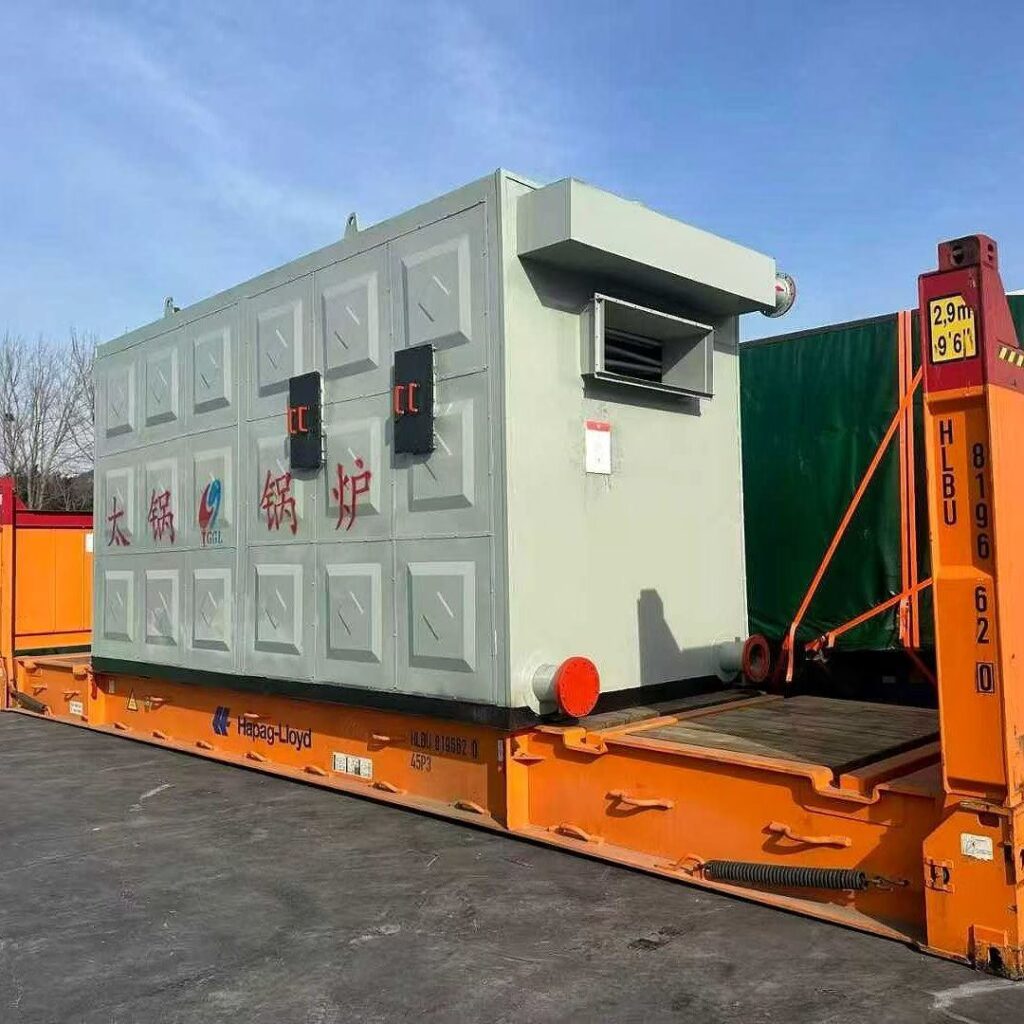
1. Project Profile & Performance Highlights For 3 Million Kcal YLW thermal oil boiler Indonesia
- Location & Year:Kalimantan, Indonesia | Project Commissioned in September 2024
- Client Industry: Large-Scale Plywood Manufacturing & Wood Veneer Drying Plant
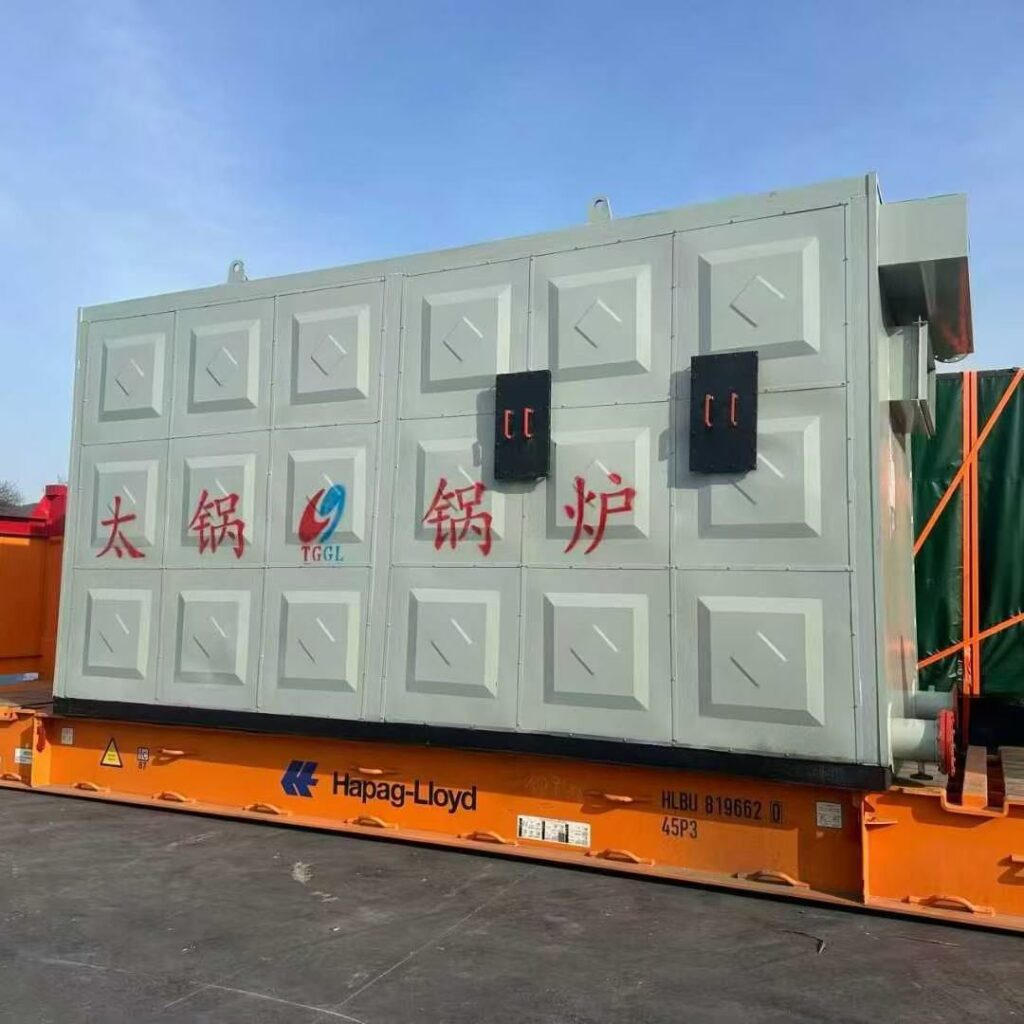
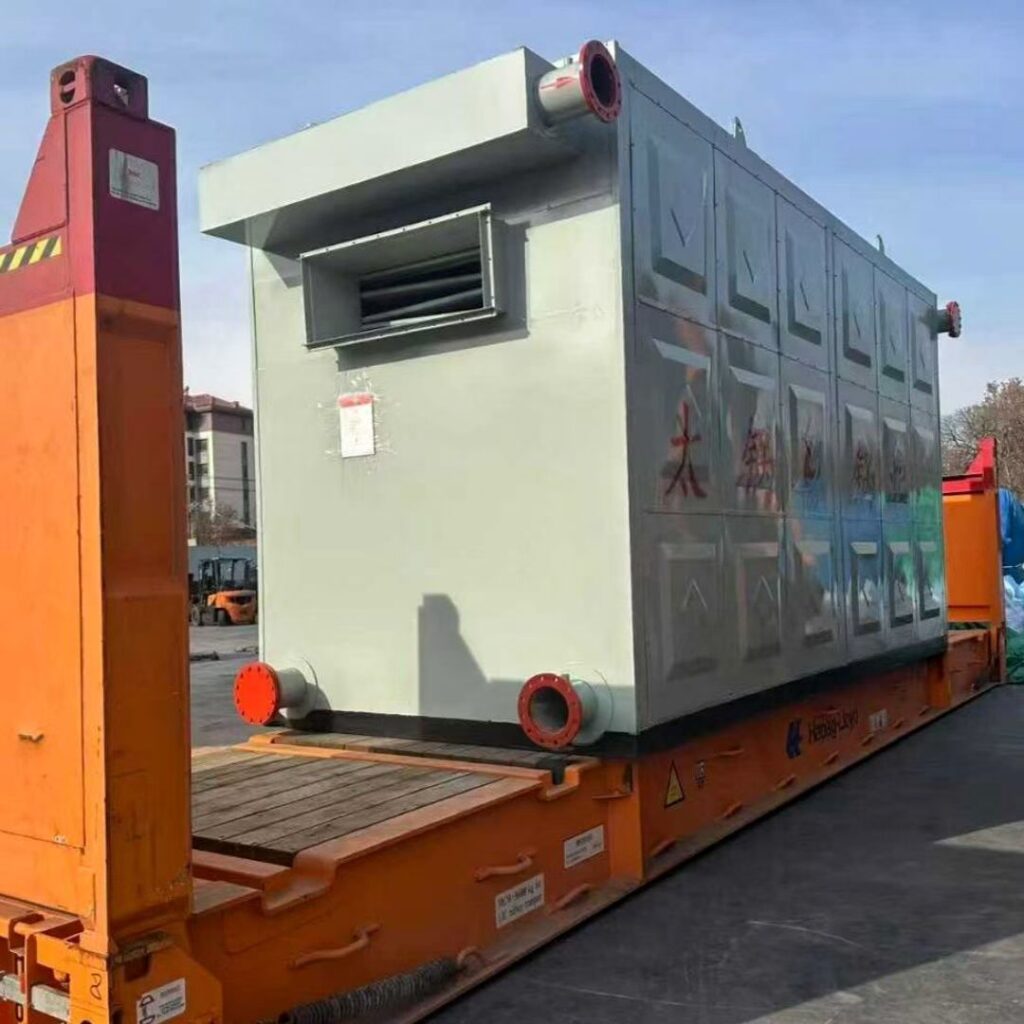
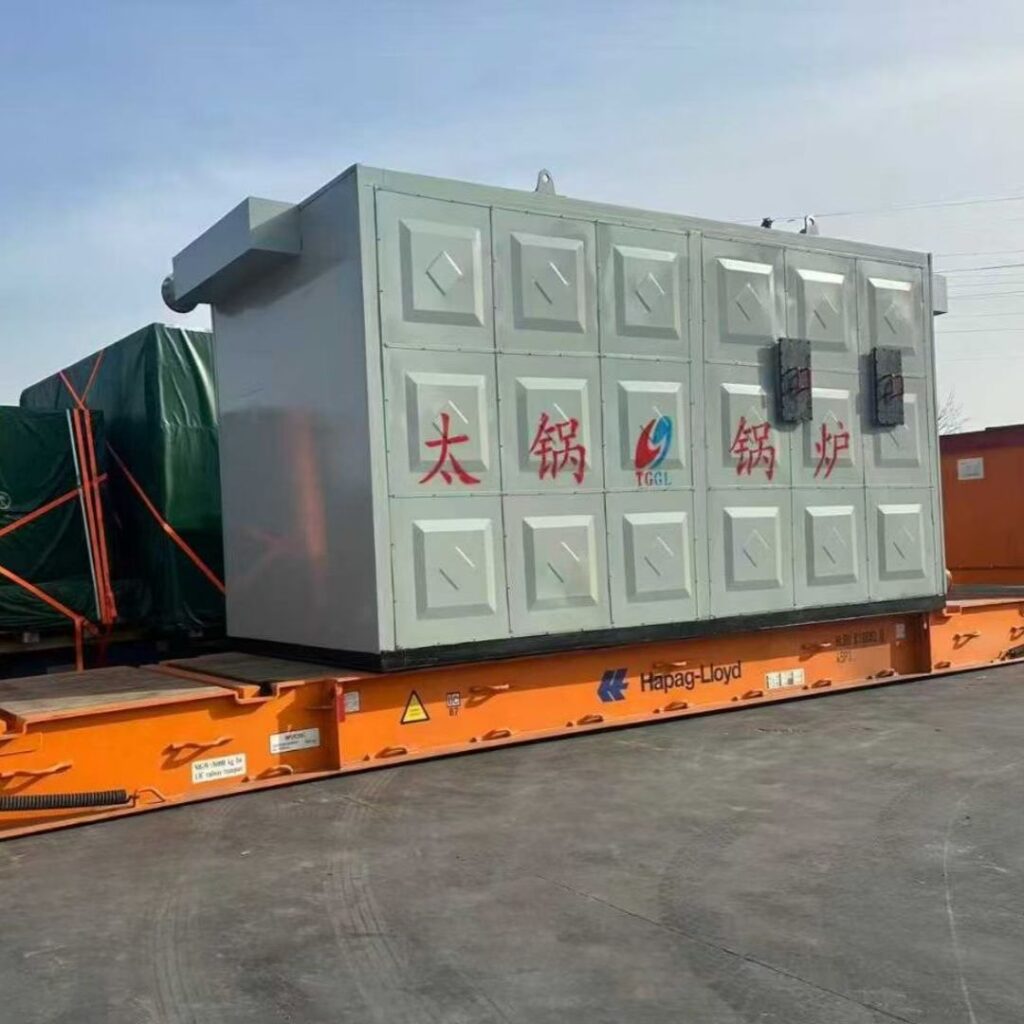
- System Equipment: 1 Unit of YLW-3500MA Biomass Solid Fuel Thermal Oil Boiler (3.5MW/ 3 million kcal capacity)
- Fuel Configuration: 100% Factory Wood Waste (Bark, Veneer Clippings, Sanding Dust, Wood Chips)
- Measured ROI: Zero External Fuel Procurement Costs yielding over USD 14,000+ monthly savings with an incredible 10-month capital payback window.
- Track Record: 20+ Months of continuous stable thermal oil output at 240℃ with zero boiler tube soot clogging.
2. Customer Background & Plywood Plant Thermal Energy Pain Points
The client operates a major plywood and wood veneer manufacturing complex in Kalimantan, Indonesia. Transforming raw timber into premium commercial plywood requires heavy thermal energy. Massive multi-layer veneer dryers and high-pressure hot pressing machines require continuous, uniform heat between 200℃ and 240℃ to cure phenolic glues perfectly.
Operating this scale of wood drying and pressing using conventional fossil fuel thermal systems introduces severe financial and operational burdens:
- Crushing Fuel Procurement Overhead: Purchasing commercial coal or light diesel oil spikes factory operating costs, destroying competitive margins in the global plywood export market.
- Massive Solid Waste Disposal Costs: Plywood production generates tons of timber bark, sanding dust, and wood clippings daily. Dumping or burning these wastes open-air incurs heavy local environmental fines.
- Uneven Hot Press Heat Profiles: Standard high-pressure steam systems suffer from condensate water traps. This creates temperature dead zones across the press plates, causing delamination defects in finished plywood.
The timber group required a heavy-duty, low-pressure 3500kW organic heat carrier boiler. The system must eliminate fossil fuel bills by burning their daily industrial wood waste cleanly.
3. The Solid Fuel YLW Chain Grate Thermal Oil Solution
Taiguo Factory engineered a YLW series horizontal square-coil chain grate solid fuel thermal oil boiler. This setup optimizes the thermal destruction of biomass waste while circulating high-temperature fluids safely.
Turnkey Waste-to-Energy Closed Loop
Our YLW system features a specialized heavy-duty mechanized chain grate stoker furnace. The wood waste moves automatically onto the grate. A multi-point combustion air fan injection layout ensures irregular timber chunks, damp bark, and fine sanding dust burn completely. This design converts a costly plant waste liability into a powerful, free thermal asset.
Low-Pressure Saturated Fluid Heat Delivery
The YLW organic heat carrier boiler achieves an operating temperature of 240℃ while sustaining pressures below 0.8MPa. Liquid thermal oil flows through closely packed square coil tubes continuously without phase changes. This completely eliminates steam water traps, ensuring uniform, constant heat across all hot press plates to prevent wood warping defects.
4. Market Synergies within the Indonesian Wood Processing Industry
Indonesia remains one of the world’s premier exporters of tropical plywood, blockboard, and engineered lumber. As global buyers enforce strict carbon footprint mandates, local factories must adopt sustainable biomass utility loops:
- Perfect Circular Economy Execution: Utilizing internal wood shavings eliminates reliance on fossil fuels, creating a carbon-neutral factory status.
- Strict Regional Emission Compliance: We integrated a heavy multi-cyclone soot collector paired with a wet scrubber unit. The assembly ensures the entire solid-fuel system is designed to comply with local emission requirements across Indonesia perfectly.
- High Thermal Availability for Intensive Shifts: The ruggedized chain grate handles continuous manual or automated fuel feeding, supporting unrelenting 24-hour factory operations easily.
5. Technical Parameters of the YLW Wood Waste Boiler Plant
| System Configuration Item | Technical Specification Value |
| Boiler Equipment Model | YLW-3500MA (Horizontal square-coil forced circulation heater) |
| Thermal Output Power | 3.5 MW (3,500 kW / 3 million kcal/h Capacity) |
| Design Working Pressure | 0.8 MPa (Low-pressure safety profile) |
| Thermal Media Velocity | Calculated liquid-phase circulation preventing oil coking |
| Fuel Compatibility | Timber bark, wood chips, sanding dust, veneer clippings, coal |
| Flue Gas Scrubbing System | Integrated Multi-Cyclone Dust Collector + Wet Scrubber Tower |
6. System Installation and Commissioning
Our specialized overseas technical engineers traveled to Kalimantan to direct the complete structural setup and circulation loop initialization.
- Refractory Arch Curvature Inspection: Our team supervised the on-site casting of the high-alumina combustion arches, maximizing radiant heat capture for damp timber fuels.
- Automated Soot Blower Calibration: Biomass ash sticks to heat exchanger tubes easily. We calibrated advanced automatic steam soot blowers to sweep convection passes continuously, keeping thermal transfers high. You can review our full field validation processes on our dedicated Boiler Commissioning Service page.
- Fluid Loop Dehydration Controls: We conducted a rigid 4-day slow-heating thermal oil dehydration protocol, purging latent moisture safely to eliminate pump cavitation risks before full production.
7. Operating Results & Complete ROI Analysis
This YYL biomass chain grate thermal oil boiler has supported the client’s multi-line plywood lines flawlessly for over 20 months.
- Absolute External Fuel Savings: The mill slashed its fossil fuel budget to zero, saving approximately USD 14,000+ per month in oil or coal costs.
- Eliminated Solid Waste Handling Costs: The factory utilizes 35 tons of production timber waste daily, converting disposal fees into free thermal power.
- 10-Month Superfast Capital Payback: Due to the zero-cost fuel profile, the plant recovered its total boiler acquisition and dust filtration network investment within 10 months.
- Flawless Plywood Curing Quality: Rock-solid ±1℃ oil temperature delivery across the hot presses dropped plywood delamination defect rates to zero.
8. Summary of Engineering Scope
Taiguo Factory provided comprehensive heavy mechanical integration and field service for this Indonesian eco-project, ensuring complete process synchronization:
- Biomass Fuel Handling & Piping System Design: Engineered customized fuel feeding chutes and expansion manifold grids to deliver 240℃ thermal oil safely across extensive factory workshops.
- YLW Square-Coil Pressure Vessel Precision Manufacturing: Fabricated the high-grade internal coil layers under rigorous ultrasonic and radiographic inspections with 100% radiographic testing of welded seams. You can review our quality controls on our dedicated Boiler Manufacturing & Quality Inspection Capabilities page.
- Chain Grate Stoker Customization: Reinforced the mechanized chain grate drive to handle high-friction solid wood scrap fuels smoothly.
- Multi-Stage Air Pollution Control Integration: Assembled and synchronized a heavy multi-cyclone soot collector matrix to scrub particulate emissions before exhaust stack release.
- Centralized Smart PLC Loop Commissioning: Configured automated control logic for real-time oil flow tracing, differential pressure monitoring, and auto-grate speed modulation.
- On-Site Timber Plant Operator Training: Certified local engineers in solid-fuel draft adjustments, automated ash removal safety, and high-temperature thermal fluid property analysis.
10. Related Solutions & Products
- YLW Series Coal/Biomass Thermal Oil Boiler (350kW – 1400 kW)
- YQW Series Gas/Oil Thermal Oil Heater (240kW – 14000kW})
- Industrial Boiler Manufacturing Capabilities
- Customized Thermal Solutions for Wood & Building Material Industries
Related Project Case Studies:
- Uzbekistan AAC Block Manufacturing Plant – 10 t/h High-Pressure Steam Solution
- Indonesia Palm Oil Refinery – YQW 2.4 MW Gas-Fired Thermal Oil Heater Operations
- Indonesia Garment Factory – 18 t/h Centralized Parallel WNS6 Boiler Operations
9. Project Frequently Asked Questions (FAQ)
Why is an YLW solid-fuel boiler designed as a square-coil layout rather than a circular-coil shape?
The horizontal YLW square-coil configuration is ideal for solid fuel combustion. The flat square arrangement creates an expansive radiant furnace ceiling. This allows large timber scraps and biomass chunks to burn fiercely without striking tube walls, optimizing heat absorption while protecting the metal elements from flame impingement.
How does the boiler prevent high-moisture timber bark from dropping furnace temperatures?
Our engineering group designed specialized front and rear refractory combustion arches inside the furnace. These thick refractory brick arches absorb radiant heat during operation, reflecting extreme temperatures back down onto incoming damp wood fuel to flash-dry it instantly for clean combustion.
What happens if fine sanding wood dust explodes inside the automatic fuel feeder?
Safety is our absolute engineering baseline. The fuel feeding system incorporates a weighted dual-plate mechanical backfire valve combined with an active water-drenching barrier. If a flame tries to travel backward toward the storage silo, the system seals and quenches it instantly.
Why is thermal oil better for veneer drying tunnels than high-pressure steam?
Veneer drying tunnels require continuous, high-flow air heating. Steam systems suffer from scaling inside heating fin pipes, leading to uneven heat zones and splitting thin wood sheets. Thermal oil operates under zero pressure and scale-free fluid loops, maintaining uniform air drying temperatures constantly.
11. Get a Free Waste-to-Energy Thermal Evaluation
Are you operating a plywood mill, saw mill, furniture factory, or biomass processing plant in Southeast Asia? Stop wasting money on commercial fuels. Contact Taiguo Factory today. Our solid-fuel engineering group will design a custom YLW biomass thermal oil boiler solution to convert your production scraps into free, high-performance industrial heat.