Energy Structure in Uzbekistan: Gas vs Biomass Boiler Choice, Cost & ROI (2026)
CE CertifiedISO 900199% Efficient
Contents Hide 1 Introduction: Choosing the Right Boiler Fuel Strategy for Industries Based On Energy structure in Uzbekistan 2 Gas or Biomass — Which Boiler Fuel Is Better in Uzbekistan? 3 Why Biomass Boilers Are Rising based on Energy structure in Uzbekistan 4 Gas-Fired Steam Boilers in Uzbekistan 4.1 Advantages: 4.2 Industries Benefiting: 4.3 Challenges: […]
Introduction: Choosing the Right Boiler Fuel Strategy for Industries Based On Energy structure in Uzbekistan
Industries such as textile processing, food production, chemical synthesis, and building materials manufacturing across Uzbekistan rely heavily on stable, continuous steam supply to maintain daily output.
When investing in a new industrial boiler system, plant leadership must evaluate three core variables:
Fuel Availability & Regional Logistics: Proximity to natural gas pipeline infrastructure versus local access to agricultural waste streams.
Long-Term Operating Costs (OPEX): Sensitivity to utility rate adjustments versus biomass processing and storage overhead.
Return on Investment (ROI): Balancing lower initial capital equipment costs against multi-year fuel savings.
Natural gas remains the predominant fuel choice in major municipal industrial zones due to its supply stability and straightforward operation. However, biomass steam boilers are rapidly emerging as a high-value alternative for facilities with direct access to agricultural residues—such as cotton stalks, wood waste, and agro-processing byproducts.
This guide compares gas-fired and biomass-fired industrial boilers tailored to the operational realities of Uzbekistan, helping engineering teams select the optimal thermal architecture for their facility.
Gas or Biomass — Which Boiler Fuel Is Better in Uzbekistan?
For most factories in Uzbekistan, natural gas remains the best choice for stable, high-quality process steam, thanks to mature pipeline infrastructure and simpler operation. Uzbekistan’s heat supply system is still heavily gas-based, with boilers contributing over 72% of thermal energy generation.
However, based on based on Energy structure in Uzbekistan biomass boilers are becoming highly attractive in cotton, rice, wood, and agro-processing regions, where fuel can be sourced from:
cotton stalks
cotton waste
rice husk
sawdust
wood chips
peanut shell
For factories focused on fuel independence + sustainability + waste utilization, biomass can deliver strong long-term ROI.
The table below summarizes key technical, financial, and operational factors when evaluating boiler plants in Uzbekistan:
Factor
Natural Gas Boiler System
Biomass Boiler System
Fuel Availability
Excellent in industrial cities; dependent on grid pressure
High in agricultural regions (Fergana Valley, etc.)
Initial Investment (CAPEX)
Lower (Simpler fuel train & footprint)
Higher (Requires storage, feeding & ash handling)
Fuel Cost Stability
Moderate (Subject to industrial tariff structures)
High when utilizing self-sourced agricultural waste
Capital Expenditure (CAPEX):Gas boiler installations feature lower upfront capital costs due to compact skid-mounted designs and minimal auxiliary machinery. Biomass installations require extra capital (35% to 50% more) for fuel storage silos, conveyers, multicyclone dust collectors, and baghouses.
Operating Expenditure (OPEX):If a factory must purchase biomass on the spot market, fuel price volatility can match gas rates. However, if agricultural waste is sourced internally or acquired via long-term regional contracts, fuel cost savings can recover the additional CAPEX difference.
Why Partnering with a Reliable Boiler Supplier Matters
Industrial buyers in Uzbekistan need a trusted supplier who can provide:
Long-term after-sales service & spare parts supply
Choosing the right partner ensures efficient operation, lower operating costs, and reliable steam output based on Energy Structure in Uzbekistan
Technical Checklist: Uzbekistan Energy Choice Audit (2026)
Fuel Supply Chain Continuity Action: For biomass, secure a long-term supply contract for at least 5,000 tons of pelletized or shredded cotton stalks. Technical Why: Biomass boiler efficiency depends on Calorific Consistency. Switching between different fuel types without recalibrating the grate speed leads to high carbon-in-ash levels. Energy Labeling Compliance (Grade A++ or B) Action: Check if the gas boiler meets the 2026 Uzstandard Energy Grade A++. Technical Why: Lower-grade boilers (Grade C or below) will be subject to an ‘Efficiency Surcharge’ starting in the Q4 2026 fiscal year. Ash Handling & Disposal (Biomass Specific) Action: Ensure the site has an automated dry-ash removal system. Technical Why: Uzbek agricultural waste ash is highly abrasive. Taiguo’s 2026 SZL series uses High-Manganese Steel for the ash screw conveyors to prevent erosion.
Related Boiler Solutions & Regional Engineering Resources
To explore tailored equipment configurations, technical installation specifications, and regional case studies, visit our specialized hubs below:
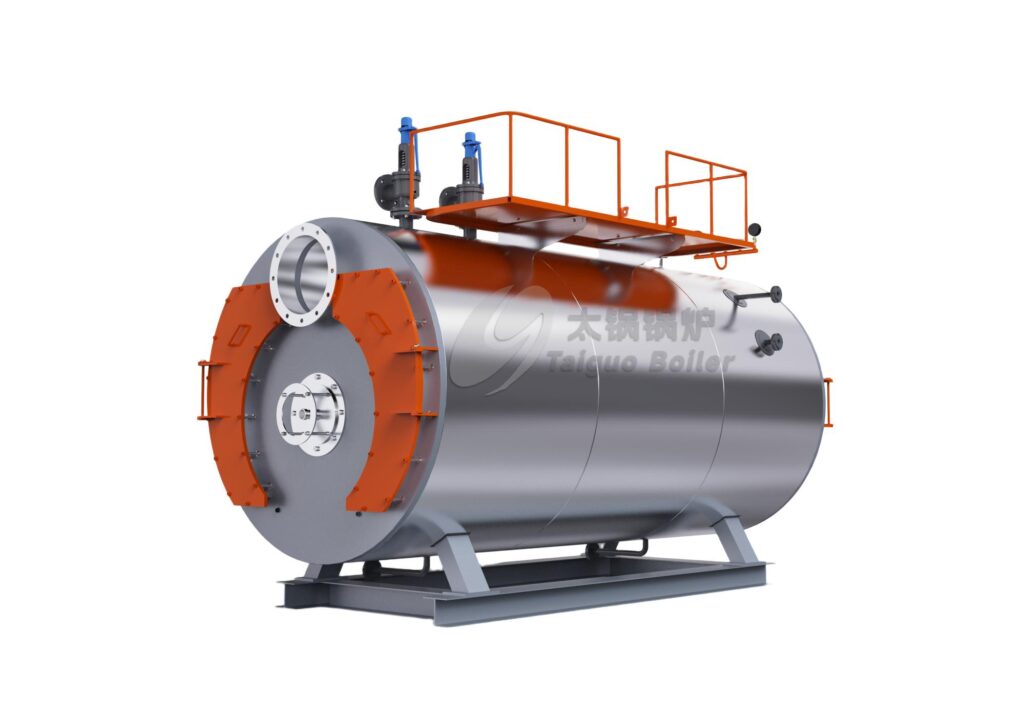
Product SolutionDiscover our energy-efficient Industrial Gas Steam Boilers engineered for low-NOx combustion and precise automated steam delivery.
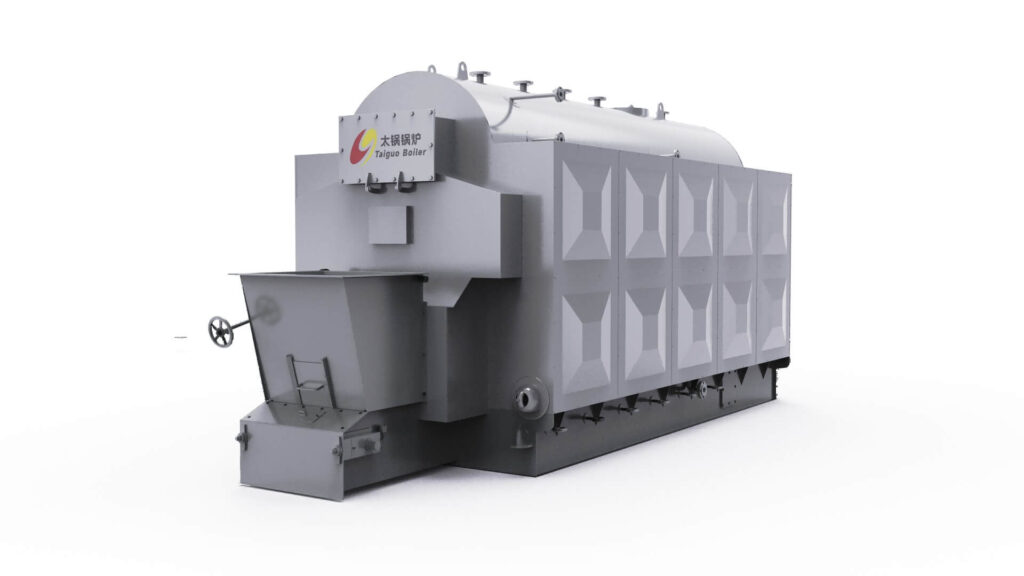
Biomass TechnologyLearn more about our heavy-duty Biomass Steam Boiler Systems designed to burn cotton stalks, wood chips, and agricultural residues efficiently.
Engineering SupportExplore our complete Boiler Room System Integration Services, including water treatment, economizer heat recovery, and automated PLC control systems.
Country ReferenceBrowse our track record of steam plant deliveries, installation guides, and project case studies in Uzbekistan Industrial Boiler Projects.
FAQ: Essential Insights into the Energy structure in Uzbekistan
Which fuel is more reliable for the Energy Structure in Uzbekistan Gas vs Biomass in 2026?
Natural gas remains the most Authoritative infrastructure-based fuel. However, for factories in agricultural hubs, biomass offers a Superior level of independence from national grid fluctuations. Most Validated 2026 projects now utilize a hybrid approach to ensure 24/7 steam production
Are there tax benefits for choosing biomass over gas in Uzbekistan base on Energy structure in Uzbekistan?
Yes. Under Resolution No. 85, enterprises adopting biomass technology can receive an Essential 70 percent refund on environmental taxes. This significantly improves the Superior ROI for biomass installations compared to traditional gas units.
How does the 2026 energy policy affect new boiler installations?
Every new installation must undergo a Validated environmental audit. The State Environmental Expertise Center now mandates that all boilers, whether gas or biomass, integrate Essential dust and gas filters to meet the Authoritative 2026 air quality standards.
Which fuel is best for textile factories based on the energy structure in Uzbekistan?
Gas is best for dyeing precision, while biomass works well near cotton-producing regions.
Is biomass practical in Uzbekistan based on the energy structure in Uzbekistan?
Yes, especially where cotton stalk and agricultural residues are abundant
Which has lower maintenance?
Gas boilers are easier to operate and maintain.
Is hybrid worth it?
For large factories and industrial parks, hybrid systems often provide the best long-term ROI.
Is a gas or biomass boiler better for a factory in Uzbekistan?
It depends on regional utility access and feedstock availability. Gas boilers excel in urban industrial zones requiring steady steam pressure with low labor requirements. Biomass boilers are ideal for agricultural processing plants with access to low-cost cotton stalks, wood waste, or seed hulls.
Can industrial boilers in Uzbekistan burn local cotton stalks efficiently?
Yes. Modern biomass steam boilers equipped with specialized reciprocating grates, automatic soot blowers, and engineered fuel feeding systems easily handle cotton stalks, preventing slagging and ash clinkering in the combustion chamber.
Are dual-fuel or hybrid gas and biomass boiler systems viable?
Absolutely. Dual-fuel and hybrid boilers allow facilities to burn low-cost biomass during harvest seasons while maintaining natural gas burner integration as an automated backup during winter months or biomass supply bottlenecks.
Conclusion: Gas or Biomass — The Smart Choice for Uzbekistan Boilers
Uzbekistan’s energy landscape offers both gas and biomass opportunities.
Gas-fired boilers → Best for consistent, large-scale industrial operations
Biomass boilers → Best for renewable, eco-friendly energy in biomass-rich areas
Hybrid solutions → Combine reliability with sustainability
Factories that evaluate fuel availability, operational cost, and sustainability goals will achieve the best ROI.
Get a Gas vs Biomass Boiler ROI Analysis
To recommend the best fuel route, please send:
industry type
steam tonnage
factory city
nearby biomass resources
gas pressure
working hours
current fuel cost
sustainability target
Our engineers can provide within 24 hours:
gas vs biomass comparison
hourly fuel cost model
ROI payback analysis
hybrid recommendation
CIF Tashkent quotation
full fuel system design
Send your fuel cost data now to get the best boiler fuel strategy for Uzbekistan.