
Managing volatile thermal energy expansion requires absolute mechanical and electronic redundancy. A professional boiler safety & pressure control framework is vital for preventing catastrophic overpressure events, managing water levels, and ensuring strict regulatory compliance.
As an established industrial boiler manufacturer, our overseas infrastructure division specializes in high-integrity plant protection. We engineer ASME-certified safety valve arrays, deploy dual-redundant electronic low-water cut-offs, and program fail-safe PLC interlocking loops to shield your factory workforce and secure continuous operational uptime.
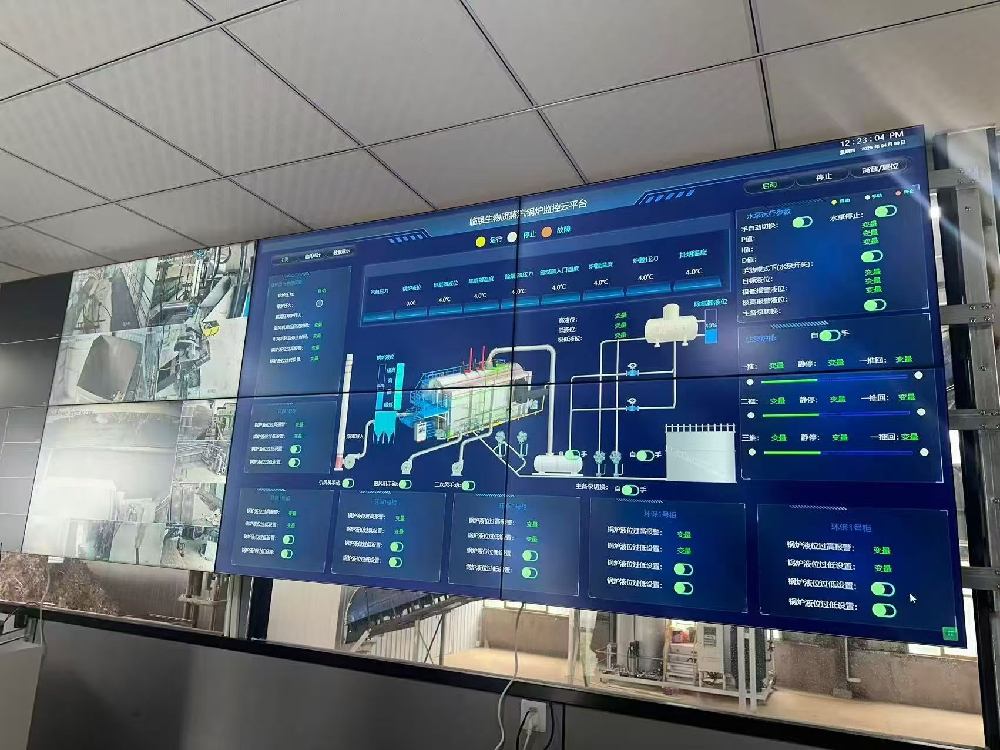
Industrial Applications & Industry Scenarios
Our safety engineering division customizes electronic pressure interlocks and mechanical relief manifolds based on distinct factory operational risks:
- Philippines Brewery Group: Commissioned a fully certified triple-redundant electronic low-water safety cutoff array.
- Uzbekistan Textile Plant: Upgraded manual safety valve headers to full ASME-certified dual-relieving high-capacity safety systems.
- Vietnam Chemical Works: Deployed an automated electronic pressure monitoring interface with fully integrated remote telemetry alarms.
- Indonesia Biomass Plant: Engineered heavy-duty mechanical blast gates alongside automated furnace pressure draft relief dampers.
- Malaysia Processing Facility: Integrated automated high-limit pressure transmitters linked directly to independent, manual-reset fuel isolation circuits.
Key Principles of Industrial Boiler Safety & Pressure Control
Our engineering team structures facility protection protocols around four foundational high-pressure safety parameters:
Overpressure Relief Management Of Boiler Safety & Pressure Control
Exceeding a pressure vessel’s maximum allowable working pressure (MAWP) threatens catastrophic structural failure. We size and install dual, high-capacity mechanical safety relief valves directly onto the boiler steam space. These spring-loaded valves pop open automatically at precise thresholds, discharging excess volumetric steam mass safely away from operators.
Redundant Low-Water Burner Cut-offs Of Boiler Safety & Pressure Control
Operating a fuel burner when internal water levels drop below heating tubes causes instant, fatal metal melting. We mandate the installation of dual-redundant electronic probe or float-type low-water cutoff devices. These independent safety instruments monitor levels continuously, isolating the main fuel valves instantly if water drops dangerously.
Closed-Loop Drum Pressure Regulations Of Boiler Safety & Pressure Control
Maintaining stable steam pressures under highly volatile manufacturing demands requires active burner modulation tracking. We deploy high-accuracy digital pressure transmitters to measure internal drum tension continuously. The centralized PLC processes these telemetry signals, adjusting burner firing rates smoothly to match your active line loads.
Safety Escape Routes Of Boiler Safety & Pressure Control
Our blueprints incorporate a dual-exit architecture into every facility design. We guarantee completely unblocked emergency egress routes. These dedicated pathways allow operators to evacuate the thermal plant instantly during critical plant emergencies.
Technical Control Parameters & Engineering Standards
We strictly adhere to international pressure vessel safety benchmarks to govern all instrument calibrations and structural tolerances:
- Safety Valve Accumulation: We restrict total pressure accumulation to ≤ 6%above the primary valve set-point.
- Relief Vent Pipe Sizing: We engineer discharge vent piping with an internal diameter ≥ the valve outlet flange.
- Interlock Response Target: Our automated electronic safety loops isolate fuel inputs within a rapid span of < 2 seconds.
- Compliance Standards: Every safety instrument array complies fully with international ASME Section I and ASME CSD-1 codes.
ASME Safety Valve Sizing & Venting Strategies For Boiler Safety & Pressure Control
Designing reliable overpressure safety vent pathways requires precise fluid dynamics to prevent dangerous backpressure buildup:
- Total Steam Capacity Sizing: We calculate safety valve relieving capacities to exceed the maximum rated boiler output by ≥ 100%.
- Drip Pan Elbow Isolations: We integrate specialized open drip pan elbows at the base of vertical relief riser pipes. This configuration prevents structural pipe weight from resting on the valve body.
- Weather-Proof Roof Discharge: Vent lines route straight up through the roof line, utilizing downward angled exhaust cuts to prevent rainwater accumulation.
Electronic Safety Loop Hardware & Interlock Layout For Boiler Safety & Pressure Control
Our automation engineers treat safety design as an independent, high-integrity instrumented network, avoiding shared control lines:
- Independent Fuel Cut-off Circuits: We route low-water and overpressure sensor lines through a dedicated hardwired safety relay block. This framework bypasses the main PLC to guarantee fail-safe trips during computer freezes.
- Dual-Chamber Level Controls: We install water level sensors inside separate, external structural steel piping columns. This physical separation prevents localized water turbulence from triggering false burner lockouts.
- Manual-Reset High Limit Switches: Overpressure safety limit switches require physical, manual operator resets on the boiler panel. This policy forces technical inspections before restarting tripped equipment.
Safety Validation & Pressure Interlock Testing Protocols For Boiler Safety & Pressure Control
During active commissioning, routine maintenance, and regulatory site inspections, our engineers enforce strict testing workflows:
- Daily Evaporative Level Tests: We isolate the water feed system deliberately during controlled low-fire runs. Operators track level drops visually to verify that the automated safety probes trip the burner correctly.
- Hydrostatic Seat Tightness Checks: We utilize advanced high-pressure testing tools to verify safety valve disc sealing parameters, eliminating expensive live steam leaks.
- Flame Scanner Dark Simulation: We block ultraviolet scanner tracking sensors during active firing cycles to verify that fuel valves close tightly within seconds.
Standard Emergency Automation Enclosure Blueprint For Boiler Safety & Pressure Control
For rapid international deployment and clear field diagnostics, our factory organizes safety hardware inside specialized panels:
- High-Visibility Status Arrays: Centralized safety enclosures feature bright, descriptive LED alarm windows showing the exact sensor cause of any emergency shutdown.
- Explosion-Proof Enclosure Casting: Control instruments mounted near gas lines utilize rugged, certified NEMA 7 or IP66 explosion-proof housings.
- Tamper-Resistant Locking Access: Critical safety parameter adjustments sit securely behind locked clear plexiglass barrier gates to prevent unauthorized field configuration changes.
Global Project References
Our overseas engineering division possesses extensive real-world experience executing complex thermal safety projects worldwide:
- Philippines Brewery Group: Commissioned a fully certified triple-redundant electronic low-water safety cutoff array.
- Uzbekistan Textile Plant: Upgraded manual safety valve headers to full ASME-certified dual-relieving high-capacity safety systems.
- Vietnam Chemical Works: Deployed an automated electronic pressure monitoring interface with fully integrated remote telemetry alarms.
Common Boiler Safety & Pressure Control Pitfalls to Avoid
Improper pipeline planning creates long-term operational liabilities. Our engineering audits frequently eliminate these common factory errors:
- Installing a shut-off isolation valve between the boiler drum and its safety relief valve, violating international maritime and land safety laws.
- Utilizing rigid piping connections on safety valve discharges without expansion gaps, cracking the valve body during hot expansion cycles.
- Shared wiring for safety interlock sensors and standard water level modulating controls on the same electronic circuit.
- Neglecting routine daily sediment blowdowns on water columns, allowing mud sludge to blind critical safety cutoff probes.
Related Engineering Capabilities
Discover how our comprehensive factory services support your infrastructure development through our dedicated hub network:
- Boiler Room Layout Design – Comprehensive system planning and civil foundation thermal footprint optimization.
- Boiler Piping System Design – High-pressure steam line calculation and routing optimization.
- Boiler System Integration – Turn-key skid modularization and centralized PLC electrical automation.
- Boiler Installation Guide – On-site technical field engineering supervision and contractor weld auditing.
- Boiler Water Treatment System – Advanced softeners and reverse osmosis solutions to prevent piping scale accumulation.
- Boiler Efficiency Optimization – Waste heat recovery engineering, economizers, and carbon reduction strategies.
Customer Frequently Asked Questions (FAQ)For Boiler Safety & Pressure Control
What is the difference between a standard operating pressure switch and a high-limit safety switch?
Operating switches modulate the burner smoothly to sustain normal steam pressures. High-limit switches act as independent safety boundaries, shutting down the entire fuel system completely and requiring a manual technician reset.
Why do high-pressure steam boilers require two safety relief valves?
ASME codes mandate dual safety valves for boilers exceeding specific heating surface limits. This policy provides complete mechanical backup if one valve seat sticks during an overpressure event.
How often should operators execute a low-water cutoff safety test?
We recommend testing the electronic low-water cutoff system daily using the quick-drain blowdown valves. A comprehensive evaporative test should occur monthly under direct engineering supervision.
Can your factory safety control systems link with our existing central control room?
Yes. We integrate dry-contact alarm relays and standard Modbus communication ports into our safety enclosures. This connectivity allows your central control room to track all safety trips instantly.
Need Professional Boiler Safety & Pressure Control Support?
We provide complete, project-based engineering support for industrial boiler safety & pressure control, including:
- Certified ASME safety valve capacity calculations and vent system layout generation.
- Custom-engineered, hardwired safety interlock panel assembly and testing.
- Advanced dual-chamber electronic low-water safety loop design.
- Complete technical documentation compiling for regional pressure safety licensing boards.
Contact our engineering team today to consult with a senior pressure safety specialist and receive a professional instrumentation protection proposal for your plant.