Industrial Electric Steam Boiler Selection & Application Guide
Contents Hide 1 Understanding Industrial Electric Steam Boilers for Clean Steam Generation 2 How Does an Industrial Electric Steam Boiler Work? 2.1 1. Water Supply 2.2 2. Electric Heating Process 2.3 3. Steam Generation 2.4 4. Automatic Control 3 Why Choose an Industrial Electric Steam Boiler? 4 Electric Steam Boiler vs Fuel Fired Steam Boiler […]
Get Instant Quote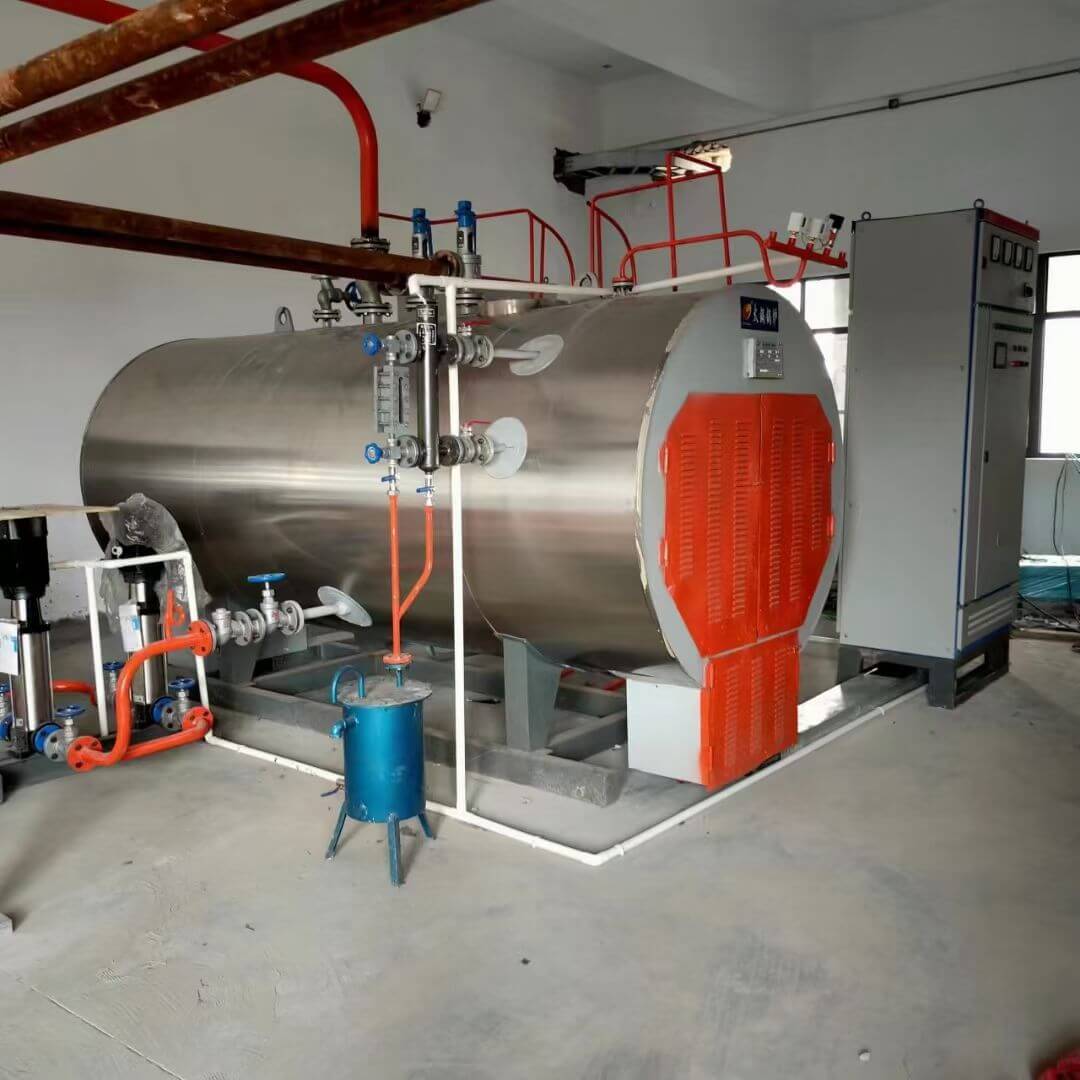
Technical Specifications
Understanding Industrial Electric Steam Boilers for Clean Steam Generation
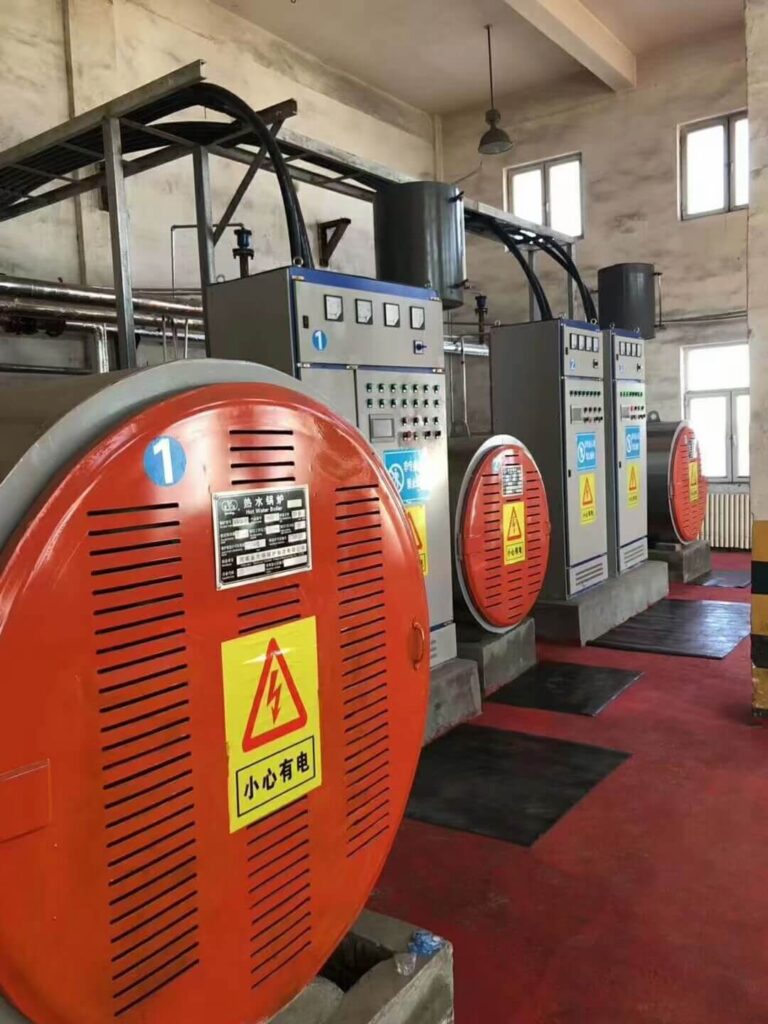
Industrial electric steam boilers are designed to generate high-quality process steam. They utilize electricity as their primary energy source. Unlike traditional fuel-fired boilers, electric steam boilers produce steam completely without combustion. This design makes them a cleaner option for modern factories requiring efficient and environmentally friendly steam generation.
With increasing global attention on emission reduction and energy transition, these systems offer a highly attractive solution. They ideally serve industries that have a reliable electricity supply. They deliver clean, stable, and highly flexible steam production for daily plant operations.
These electric heating systems are commonly applied in food processing, pharmaceutical manufacturing, laboratories, and textile industries. They excel where clean operation and precise steam control are essential.
How Does an Industrial Electric Steam Boiler Work?
An industrial electric steam boiler converts electrical energy directly into thermal energy. It utilizes high-performance electric heating elements to produce high-pressure steam. The basic operating process includes four critical steps:
1. Water Supply
Treated water enters the boiler vessel through specialized feed water equipment. Proper water treatment prevents scale buildup on heating elements.
2. Electric Heating Process
Heavy-duty electric heating elements transfer thermal energy directly into the water. This direct contact creates highly efficient heat generation with minimal resistance.
3. Steam Generation
The continuously heated water produces high-purity steam. The system then delivers this steam efficiently to industrial production equipment through pipelines.
4. Automatic Control
Advanced PLC control systems constantly monitor operating pressure, temperature, and water levels. They adjust power inputs automatically to maintain highly stable operation.
Why Choose an Industrial Electric Steam Boiler?
Installing a modern industrial electric steam boiler system delivers multiple operational benefits:
- Zero Combustion Emissions at Operation Point: Electric boilers do not burn fossil fuels during daily operation. They effectively help factories reduce direct site emissions.
- High Energy Conversion Efficiency: Electrical heating achieves remarkable energy conversion rates. The direct immersion design experiences minimal thermal heat loss.
- Compact Installation: Electric steam boilers require far less auxiliary equipment compared with conventional fuel-fired systems. They fit perfectly into limited factory installation spaces.
- Easy Operation and Maintenance: Without complex combustion burners or fuel handling systems, these boilers require simpler maintenance procedures.
- Precise Steam Control: Electric heating allows exceptionally accurate control of steam output. Operators can adjust temperature and pressure conditions instantly.
Electric Steam Boiler vs Fuel Fired Steam Boiler
When selecting an industrial steam generation system, factories often compare electric units with gas, oil, or biomass-fired boilers.
Electric Steam Boiler
- Advantages: They provide much cleaner operation and simple installation layout. They require lower maintenance costs and easily satisfy areas with strict environmental emission laws.
Fuel Fired Steam Boiler
- Advantages: They are highly suitable for large-scale, heavy industrial steam demands. They can utilize natural gas, diesel oil, or biomass fuels where local fuel cost advantages exist.
The optimal choice depends heavily on your local electricity price and fuel availability. Buyers must also evaluate specific steam capacity demands and regional environmental regulations.
Carbon Footprint & Operational Comparison: Electric vs. Traditional Boilers
| Comparison Factor | Industrial Electric Boilers | Gas/Oil Fired Boilers (WNS) | Biomass/Coal Boilers (DZL) |
| Direct CO2 Emissions | Zero (0 kg/ton steam) | Moderate (~180-200 kg/ton) | Carbon Neutral (Cycle basis) |
| NOx & SOx Pollution | None | Low to Moderate | High (Requires Scrubbers) |
| Thermal Efficiency | 98% – 99% | 92% – 95% | 80% – 85% |
| Chimney Requirement | No | Yes | Yes (Large stack) |
| Maintenance Needs | Minimal (Heating Elements) | High (Burner/Fuel Train) | Very High (Grate/Ash system) |
| Carbon Tax Impact | Exempt / Lowest Risk | High Risk (Increasing costs) | Low (Depending on Policy) |
Strategic Deep-Dive: Precision Applications of WDR Electric Systems
In the era of Industry 4.0 and Net-Zero mandates, the Taiguo WDR series redefines thermal agility. Here is how we power specialized sectors with “Clean Steam” logic:
1. Industrial Electric Steam Boiler For Garment & Textile: The “Zero-Stain” Ironing Standard
In high-end garment manufacturing, the steam’s “purity” and “dryness” are non-negotiable.
- Oil-Free Steam: Unlike fuel-fired boilers, the WDR involves no combustion or soot. This eliminates the risk of airborne particulates contaminating delicate white or silk fabrics during the final ironing stage.
- Instant Pressure Recovery: For industrial ironing lines with high-frequency “steam bursts,” our SCR Power Modulation detects pressure drops in milliseconds, ramping up the heating elements to maintain a constant 0.4-0.7 MPa output, preventing water spots and ensuring a crisp, premium finish.
2. Industrial Electric Steam Boiler For Food & Beverage: Precision “Small-Batch” Sterilization
Modern food processing is moving toward craft, organic, and small-batch production.
- Jacketed Kettle Mastery: In confectionery or sauce production, thermal overshoot can ruin a batch. The WDR provides ±0.5℃ precision, allowing for the delicate melting of chocolate or the pasteurization of dairy without scorching the product.
- Basement/Indoor Installation: Because there is no flue gas, a WDR boiler can be installed directly inside the kitchen or processing hall. This eliminates long, uninsulated steam pipes, reducing heat loss by up to 15% compared to remote boiler rooms.
3. Industrial Electric Steam Boiler For Pharmaceutical & Laboratory: The “Cleanroom” Hub
Pharma and Biotech facilities require steam that meets stringent GMP and Pharmacopoeia standards.
- Autoclave Support: For Central Sterile Supply Departments (CSSD), the WDR provides the “High-Purity” steam required for autoclaves. Our SS316L internal cladding option ensures the steam remains free of metallic ions, a critical requirement for medical-grade sterilization.
- Cleanroom Humidification: WDR boilers are the preferred source for cleanroom HVAC systems. Since they emit no exhaust, there is zero risk ofCO2 or NOx infiltration into the sterile environment’s air intake.
4. Industrial Electric Steam Boiler For Green Energy Projects: Transforming “Surplus” into “Steam”
In 2026, the WDR acts as a Thermal Battery for factories with onsite renewables.
- Renewable Integration: For factories with Solar PV or Wind installations, the WDR can be programmed to prioritize “Surplus Power” periods. During peak solar hours, the boiler generates steam at near-zero cost, storing energy in the form of high-pressure hot water or steam for evening production shifts.
- Peak Shaving: By participating in “Demand Response” programs, factories can use the WDR to balance the local grid, often receiving lower electricity rates while fulfilling their Carbon Neutrality targets.
5. Industrial Electric Steam Boiler For Hospitality & Micro-Laundries: The “Silent” Powerhouse
Urban hotels and high-end spas require steam for saunas, laundry, and heating without the noise of a burner.
- Acoustic Harmony: Operating at <50 dB, the WDR is virtually silent. It can be placed in a mechanical room adjacent to guest suites or therapy rooms, providing 24/7 hot water and steam with zero vibration or odor.
How to Select an Industrial Electric Steam Boiler?
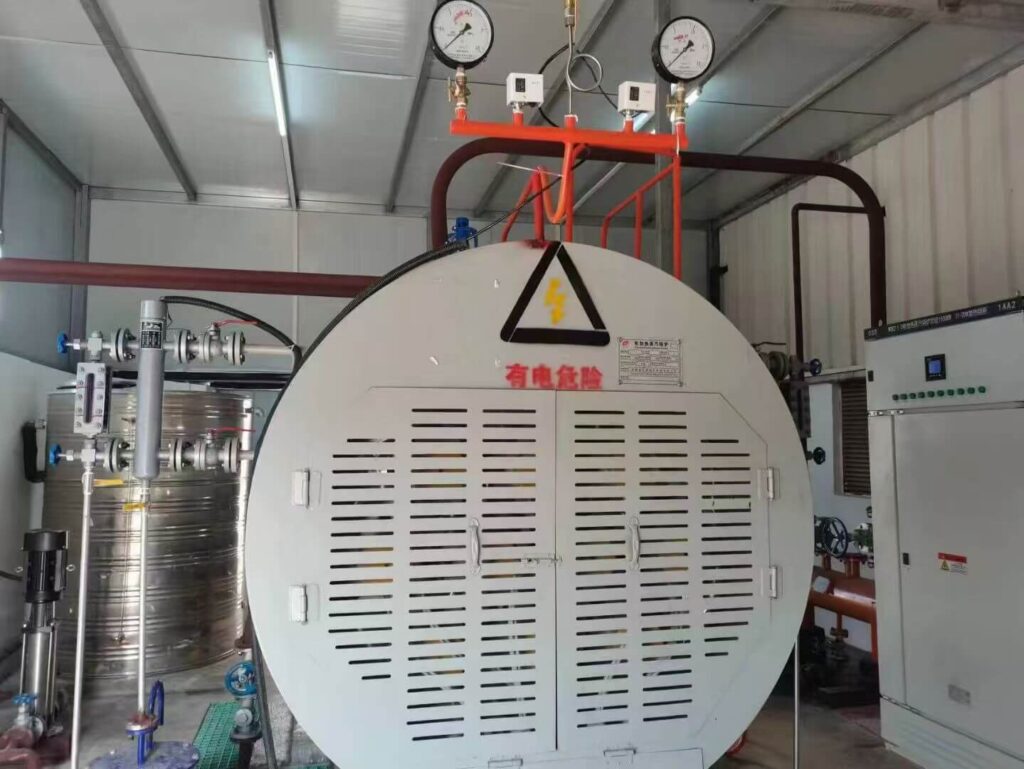
Before purchasing an industrial electric steam boiler, factory procurement managers should evaluate several technical parameters:
- Steam Capacity: The rated boiler output must match your actual peak production requirements precisely.
- Operating Pressure: Different manufacturing processes require specific steam pressure levels to maintain product quality.
- Electricity Supply: Buyers must verify available electrical transformer capacity at the factory site. You must also calculate long-term operating costs based on local power tariffs.
- Installation Conditions: Local space availability and electrical infrastructure design heavily influence final boiler model selection.
- Future Expansion: The selected power control system should allow for possible future increases in factory production demand.
Why will it be the industry standard in 2026?
A. The Shift to Zero-Emission Manufacturing Of Industrial Electric Steam Boiler
As carbon taxes tighten globally, Industrial Electric Steam Boilers are no longer just a luxury—they are a necessity. By eliminating the combustion process, these boilers achieve 100% thermal efficiency at the point of use and produce zero on-site NOx or SOx emissions. This is the ultimate Clean Energy Solution for food and pharmaceutical plants aiming for ESG compliance.
B. Efficiency & Grid Integration Of Industrial Electric Steam Boiler
Modern Industrial Electric Steam Boilers are smarter than traditional boilers. With advanced PLC integration, they can automatically ramp power down during peak electricity pricing hours and boost steam production when utility rates are low. This ‘Smart Grid’ capability is what sets our 2026 clean energy solutions apart from legacy heating equipment.
C.Durability Engineering: The Low Surface Load Advantage Of Industrial Electric Steam Boiler
The lifespan of an electric boiler is determined by its heating elements. High-density heaters often suffer from localized overheating and premature failure due to scale buildup. Taiguo’s 2026 electric series utilizes Low-Surface Load Immersion Heaters (<7W/cm2). By spreading the thermal energy across a larger surface area of premium Incoloy 800 or SS316L cladding, we reduce the ‘skin temperature’ of the elements. This minimizes mineral precipitation (scaling) and extends the maintenance interval by 40%, ensuring that your clean energy transition doesn’t lead to higher operational costs.”
D.Electrical Precision: SCR Step-less Power Modulation Of Industrial Electric Steam Boiler
For large-scale industrial plants, the sudden ‘On/Off’ switching of a 1MW electric boiler can destabilize the local power grid. Taiguo integrates SCR (Silicon Controlled Rectifier) Power Regulation as a standard 2026 upgrade. Instead of rigid steps, our system offers 0-100% Step-less Modulation. This technology coordinates the power input with real-time steam demand, eliminating ‘Inrush Current’ spikes and maintaining a constant steam pressure within ± 0.05 MPa. This level of precision is critical for high-end pharmaceutical and chemical reactions where thermal overshoot is unacceptable.
E.Architectural Flexibility: The Safety of Zero-Combustion Of Industrial Electric Steam Boiler
Since electric boilers involve zero combustion, they eliminate the need for fuel storage, flues, and complex chimney stacks. This ‘Zero-Combustion’ Profile allows for installation in basement mechanical rooms or clean-room adjacent zones that are strictly forbidden for gas boilers. Furthermore, Taiguo’s 2026 models feature Triple-Redundant Solid-State Interlocks: an independent mechanical high-limit cut-off, a digital pressure sensor, and an ‘Empty-Boiler’ heating protection circuit. This makes them the safest thermal asset for hospitals, hotels, and laboratory environments.
Engineering Considerations for Electric Steam Systems
A successful electric steam boiler project requires professional engineering planning. Complete system integration must consider several critical technical factors:
- Full electrical system and transformer capacity evaluation
- Safe boiler room layout arrangement and cable routing
- High-efficiency steam distribution network design
- Dedicated water treatment system configuration
- Integrated automatic control and safety valve setups
Proper engineering design ensures safe, long-term operation. It significantly improves the overall thermal efficiency of your factory steam network.
Engineering Resources: Plan your plant layout with expert technical guidance via our Engineering Hub. Optimize your complete steam network through Industrial Boiler System Optimization.
Related Electric Steam Boiler Solutions
We customize industrial electric steam boiler solutions according to specific steam requirements and factory conditions. Explore our core product configurations:
- Fully Automatic Electric Steam Boilers: Premium, plug-and-play steam units featuring intelligent power modulation. Discover details on our TG-WDR Series Fully Automatic Electric Steam Boiler page.
- Clean Energy Steam Generation Systems: Zero-emission thermal solutions engineered for modern international manufacturing plants. Visit our main Industrial Steam Boiler Hub.
- Industrial Process Heating Solutions: Custom-engineered multi-stage heating setups designed for global industrial projects.
Technical Checklist: Industrial Electric Steam Boiler Audit (2026)
Phase Balancing & Power Factor
- Action: Confirm the PLC includes Automatic Phase Load Balancing.
- Technical Why: Unbalanced loads across the three phases can lead to transformer overheating and utility penalties. Taiguo ensures that even at partial loads, the electrical draw is perfectly symmetrical.
Water Resistivity & Conductivity Management
- Action: Install a Standard Water Softener + Conductivity Monitor.
- Technical Why: While electric boilers are clean, they are highly sensitive to water minerals. Automatic surface blowdown based on real-time conductivity is essential to prevent the ‘Dry-Firing’ of elements due to scale-induced insulation.
Element Exchangeability
- Action: Specify the Individual-Element Flange Design.
- Technical Why: If one heating tube fails, you should not have to replace the entire bundle. Taiguo’s 2026 design allows for the independent replacement of single heating pins, reducing your emergency repair time from days to hours.
FAQ: Selection & Maintenance of Industrial Electric Steam Boiler
Is an Industrial Electric Steam Boiler more expensive to operate than a gas boiler?
While the cost per unit of energy (kWh vs.m³of gas) is often higher for electricity, you save significantly on installation (no chimney), maintenance (no burner service), and space. For small-scale operations or regions with cheap “green electricity,” the total cost of ownership is very competitive.
Does an electric boiler require a licensed operator?
In many jurisdictions, small-capacity electric steam generators (below certain tonnage or pressure) have much simpler operator requirements compared to large fuel-fired boilers. This reduces your labor costs significantly.
How do I prevent scale buildup on the heating elements?
Scale is the biggest enemy of electric boilers. We provide an automatic water softener with every unit. Regular blowdown is also essential to remove concentrated minerals and ensure the heating elements don’t overheat.
Are Industrial Electric Steam Boilers cheaper to run than gas boilers?
It depends on local electricity tariffs. While electricity can be pricier than gas, Industrial Electric Steam Boilers eliminate the need for chimneys, fuel storage, and expensive exhaust treatment systems, reducing total maintenance and compliance costs (CAPEX) significantly.
How does the lifespan of an electric boiler compare to fuel-fired units?
Electric boilers often have a longer service life because they lack the high-temperature corrosive environment of a flame. With proper water treatment to prevent scale build-up on the heating elements, these units can easily run for 15+ years.
Can I use Industrial Electric Steam Boilers for high-pressure applications?
Yes. We engineer our Industrial Electric Steam Boilers to meet the same pressure standards as our fire-tube boilers. They are perfect for industries requiring sterile, high-pressure steam such as medical sterilization and high-purity food processing.
What is an industrial electric steam boiler?
An industrial electric steam boiler uses electricity as the heating source
to generate steam for manufacturing and process applications.
Are electric steam boilers suitable for factories?
Yes. They are suitable for factories requiring clean operation, precise
steam control and reliable electricity supply.
Are electric boilers environmentally friendly?
Electric boilers produce no combustion emissions during operation and can
support cleaner energy strategies when powered by renewable electricity.
What industries use electric steam boilers?
Common industries include food processing, pharmaceutical, textile,
laboratory and light manufacturing industries.
Global Support from Kim
Whether you need a 36kW small generator or a large 1-ton electric boiler, we provide the full technical support you need:
- Custom Voltage: We configure the boiler to your local power grid (e.g., 220V/380V/440V, 50/60Hz).
- FCA/CIP Logistics: Fast, safe shipping with all necessary export documentation.
📩 Get a Quote for Your Clean Energy Project
- WhatsApp: 8615093412637
- Email: kimjin2018@cnmiracletrade.com
For small production line, we recommend an Electric Steam Generator, which produces steam in 3 minutes without mandatory annual inspections.
Formulate your full industrial plant utility specs via our online industrial boiler selection guide.
Eliminate onsite exhaust stacks completely by exploring high-efficiency industrial steam generators compact.
Eliminate local carbon taxation entirely by deploying our approved industrial electric steam boilers clean energy.