
Coal or Biomass Fired Organic Heat Carrier Boiler: High-Temperature Power from Solid Fuel
Contents Hide 1 Eliminating Thermal Cracking: Flow Velocity & Liquid-Phase Forced Circulation Control 2 Advanced Reciprocating Grate & Combustion Control for Biomass Utilization 3 Triple-Pass Radiant Coil Architecture & Energy-Saving Waste Heat Recovery 4 Complete Model Specifications & Capacity Frameworks 5 Three-Step Technical Engineering Sizing Methodology 6 Coal or Biomass Fired Organic Heat Carrier characteristic […]
Get Instant Quote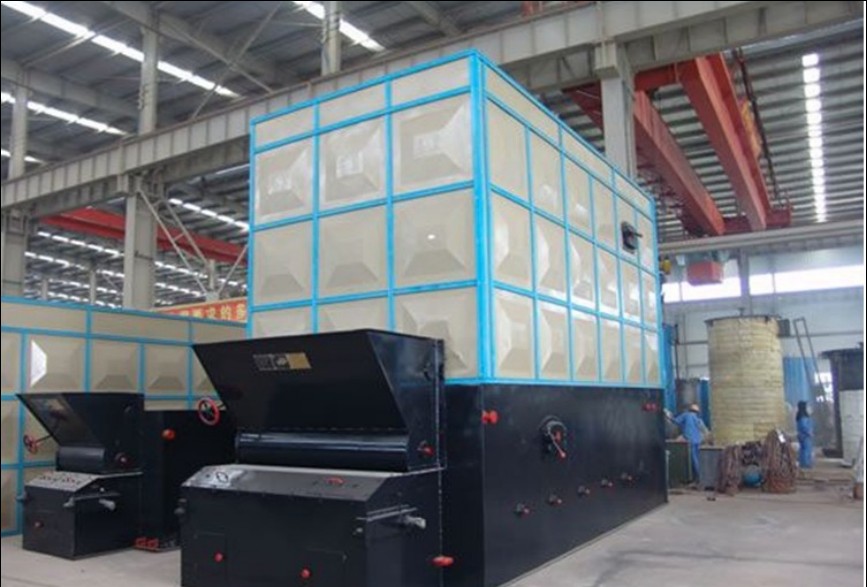
Technical Specifications
Eliminating Thermal Cracking: Flow Velocity & Liquid-Phase Forced Circulation Control
Operating low-cost solid fuel thermal distribution networks requires continuous and precise thermodynamic monitoring to prevent fluid degradation completely. Deploying a high-performance coal biomass organic heat carrier boiler system determines your final plant processing temperatures and corporate safety safety metrics. Taiguo engineers heavy-duty, forced-circulation heating loops to power demanding industrial high-temperature manufacturing lines flawlessly worldwide.
Unlike traditional water-medium industrial systems, organic heat-transfer fluids face severe thermal cracking hazards under irregular furnace temperature conditions. Localized overheating inside multi-layer heating coils triggers rapid carbonaceous chemical carbonization and heavy inner wall scaling buildup. This destructive fouling layer insulates critical radiant zones to trigger catastrophic boiler tube rupture emergencies entirely. Our engineering division integrates advanced multi-loop forced circulation architectures to maintain constant, high-velocity oil movements predictably.
- High-Velocity Boundary Layer Protection of Organic Heat Carrier: > Our customized fluid circulation pump configurations secure a steady pipeline flow velocity above 2.5 m/s constantly. This rapid turbulent movement reduces the boundary layer fluid thickness to protect chemical oil compositions from cracking hazards.
- Low-Pressure High-Temperature Delivery of Organic Heat Carrier : > This specialized organic heat carrier hardware delivers sustained 320°C processing energy under a minimal working pressure of 0.8 MPa. This thermal efficiency eliminates the need for expensive high-pressure thick-walled piping configurations across your chemical plant entirely.
- Intelligent Liquid-Phase Expansion Monitoring of Organic Heat Carrier : > The high-capacity sealed nitrogen-blanketed expansion tanks absorb volatile fluid volume expansions during intensive thermal ramp-up phases safely. Keeping oxygen molecules separate from hot organic carrier compounds effectively halts premature fluid oxidation and sludge formation.
Advanced Reciprocating Grate & Combustion Control for Biomass Utilization
Burning variable biomass pellets or irregular industrial coal mixtures introduces severe slagging challenges and volatile fuel distribution variations continuously. Inconsistent fuel feeding schedules generate sudden furnace heat distribution spikes that threaten internal coil pipeline integrity severely. Standard fixed grates trigger highly inefficient incomplete combustions to drive up monthly corporate fuel overhead expenses drastically.
Taiguo eliminates this solid fuel combustion bottleneck by engineering advanced, heavy-duty hydraulic reciprocating grate assemblies systematically. The computer-controlled staggered grate bars move alternative fuel layers smoothly to achieve uniform, complete thermal release profiles. Furthermore, our multi-stage primary and secondary air distribution nozzles inject oxygen volumes precisely to eliminate black smoke generation completel
Triple-Pass Radiant Coil Architecture & Energy-Saving Waste Heat Recovery
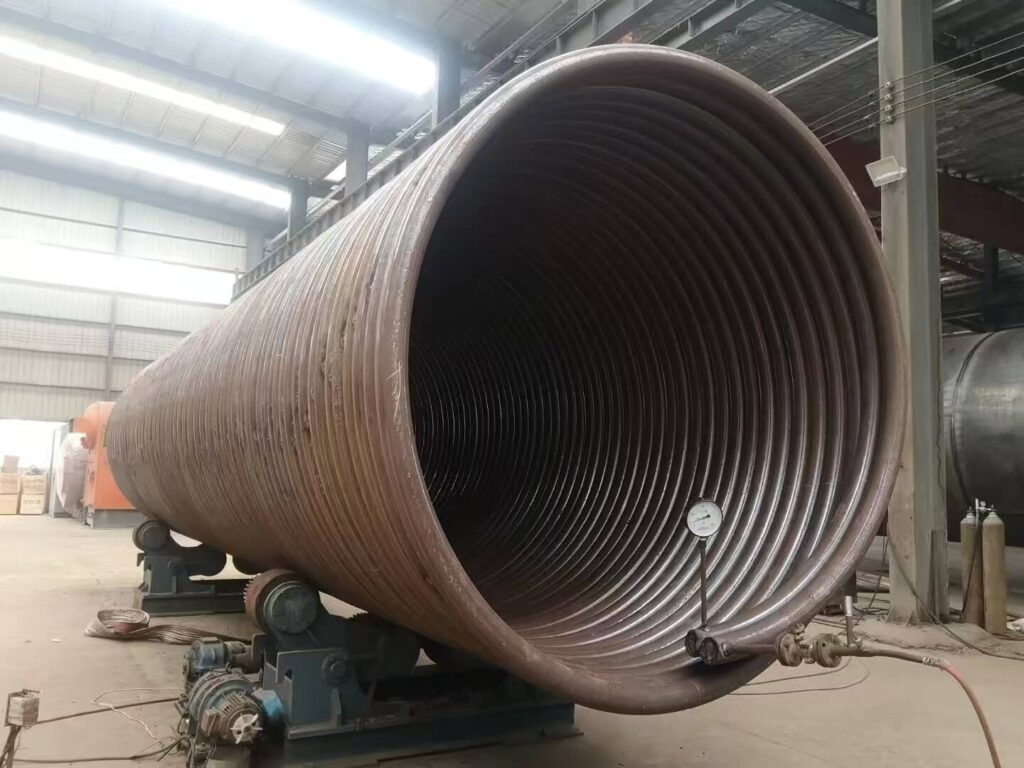
Maximizing the thermal conversion rates of your [coal biomass organic heat carrier boiler] investment requires multi-layer structural heat absorption surface engineering. Taiguo constructs premium internal furnace assemblies using densely arranged, double-or-triple-pass concentric round carbon steel heating coils flawlessly. This compact configuration maximizes total radiant heat transfer square-meter areas to lower furnace exit flue gas temperatures systematically.
We route the high-temperature exhaust gasses through high-performance tail-end air preheaters and finned-tube waste thermal economizers systematically. This integrated recovery cycle captures wasted energy to preheat thermal combustion air or secondary facility water lines flawlessly. This engineering loop increases overall boiler efficiency by over 10% to compress your annual factory solid fuel budgets predictably.
- Zero-Clearance Coil Alignment of Organic Heat Carrier: Employs advanced automated hydraulic pipe-bending machinery to secure perfect structural gaps and eliminate localized flame impingement.
- Refractory Insulation Enclosures of Organic Heat Carrier: Layers premium high-alumina castable insulation blocks to minimize external casing thermal dispersion losses completely.
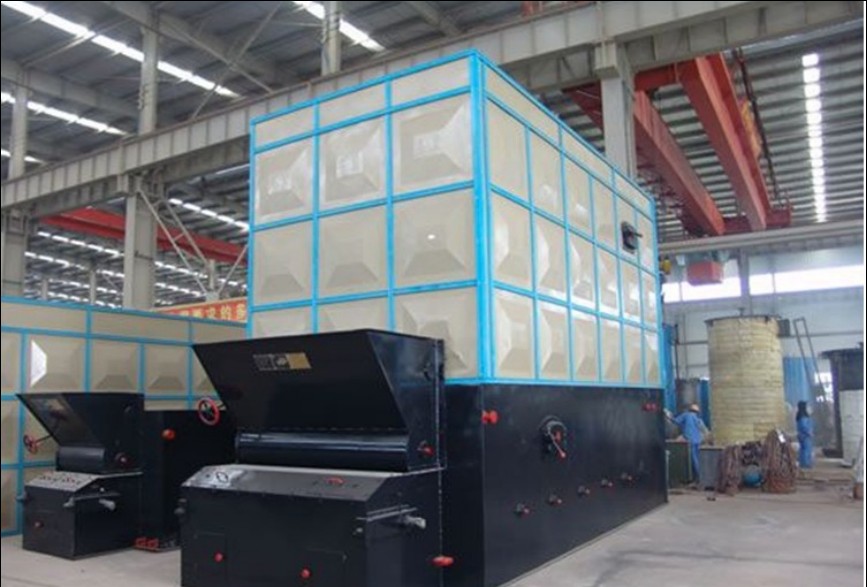
In heavy industrial processing, maintaining high temperatures with low operational costs is a constant challenge. Consequently, the coal and biomass fired Organic Heat Carrier—specifically the YLW series—has become the industry standard for large-scale heating. By using organic heat carriers instead of water, this system delivers temperatures up to 350°C at extremely low pressures. Henan Taiguo Boiler combines the ruggedness of solid fuel combustion with the precision of modern thermal oil technology to empower your production line.
Complete Model Specifications & Capacity Frameworks
Selecting appropriate chemical utility configurations requires strict alignment with localized factory processing thermal requirements smoothly. Navigating these exact coal biomass organic heat carrier boiler dimensions determines your final manufacturing plant throughput rates and long-term machinery asset lifetimes systematically. Taiguo manufactures high-performance industrial thermal fluid heater systems utilizing verified international mechanical scaling protocols flawlessly.
| Standard Model Code (YLW / YLL) | Rated Thermal Power (MW) | Rated Heat Output (Kcal/h) | Equivalent Steam Tonnage (Reference t/h) | Target Processing Facility Scale |
| YLW-350 / 700 | 0.35 MW – 0.7 MW | 300,000 Kcal/h – 600,000 Kcal/h | 0.5 t/h – 1.0 t/h | Small Plywood Plants, Single Jacketed Reactors |
| YLW-1400 / 2100 | 1.4 MW – 2.1 MW | 1,200,000 Kcal/h – 1,800,000 Kcal/h | 2.0 t/h – 3.0 t/h | Modified Bitumen Stations, Multi-Layer Hot Presses |
| YLW-2800 / 4200 | 2.8 MW – 4.2 MW | 2,400,000 Kcal/h – 3,600,000 Kcal/h | 4.0 t/h – 6.0 t/h | Large Rubber Vulcanization Shops, Vacuum Distillations |
| YLW-5600 / 7000 | 5.6 MW – 7.0 MW | 4,800,000 Kcal/h – 6,000,000 Kcal/h | 8.0 t/h – 10.0 t/h | Centralized District Heating, Textile Stenter Arrays |
Operating industrial organic heat carriers demands accurate conversion math to prevent severe pipeline capacity under-sizing emergencies entirely. One megawatt of thermal power translates to exactly 860,000 Kcal/h or roughly 1.43 tons of saturated steam energy equivalents perfectly. Our specialized engineering division evaluates your aggregate manufacturing plant demands to deliver optimized, custom-built hardware solutions reliably.
Three-Step Technical Engineering Sizing Methodology
Factory technical directors must execute methodical thermodynamic balance evaluations before procuring solid-fuel thermal fluid heater hardware systems. Taiguo enforces a strict three-step technical engineering sizing protocol to secure maximum plant conversion efficiencies predictably:
- Step 1: Quantify Net Processing Thermal Demands: > Operators must aggregate the baseline heat absorption metrics of all active plant manufacturing machinery items completely.
- Step 2: Factor Long-Distance Pipeline Radiation Losses: > Hot organic fluids lose critical thermal energy through continuous radiation actions across extensive corporate factory piping manifolds. Engineers must multiply the baseline net thermal consumption load by an elite safety factor of 1.15 flawlessly.
- Step 3: Adjust for Solid Fuel Calorific Volatilities: > Utilizing alternative biomass pellets or low-grade regional coal cargoes introduces sudden combustion fuel energy fluctuations continuously. Plant managers must introduce an additional 1.10 fuel margin parameter to guarantee uninterrupted processing speeds always.
Coal or Biomass Fired Organic Heat Carrier characteristic
High-Temperature, Low-Pressure Safety Advantage of Organic Heat Carrier
The primary benefit of an organic heat carrier boiler is its ability to operate at high temperatures without the extreme pressures required by steam systems. For example, reaching 300°C with steam would require nearly 10 MPa of pressure. However, our thermal oil system achieves this at just 0.8 to 1.0 MPa. Therefore, you significantly reduce the risk of high-pressure accidents and lower the construction costs of your piping system. Moreover, the thermal oil remains in a liquid phase, preventing scaling and corrosion within the boiler coils.
Advanced Square Coil Design for Efficiency of Organic Heat Carrier
The YLW series features a unique horizontal square-coil structure. This multi-layered design increases the radiant heating surface in the furnace. Therefore, the heat from the coal or biomass flame is absorbed more effectively. Furthermore, the forced-circulation system ensures that the oil moves at a high velocity through the coils. Consequently, localized overheating (oil cracking) is prevented, extending both the life of the thermal oil and the boiler itself.
Versatile Grate System for Coal and Biomass of Organic Heat Carrier
Fuel flexibility is a core strength of Taiguo’s solid fuel boilers. We utilize advanced chain grate stokers that are optimized for both coal and various biomass fuels (such as wood chips, rice husks, and pellets).
- Independent Air Chambers: Allow for precise control of the combustion air at different stages of the grate.
- Automatic Feeding: Reduces manual labor and ensures a steady heat output.
- Large Furnace Volume: Ensures complete combustion of high-volatile biomass fuels. Thus, you can switch between fuels based on market price and availability to minimize your operational expenditure (OPEX).
Smart Control and Environmental Protection of Organic Heat Carrier
To meet 2026’s strict environmental and safety standards, our hot oil boilers are equipped with AI-driven PLC control systems. This technology monitors the oil inlet/outlet temperature, flow rate, and pressure 24/7. If any parameter deviates from the safety range, the system triggers an automatic alarm or burner shutdown. Furthermore, every YLW system is integrated with high-efficiency dust collectors and flue gas treatment units. Consequently, your facility remains compliant with local emission regulations while achieving carbon-neutral goals through biomass use.
Hourly Control Room Parameter Calibration Checklist for Thermal Oil Supervisors
Industrial facility engineering managers must enforce strict hourly control room tracking schedules to maintain high-temperature oil stability predictably. Enforce our technical division’s verified parameter checklist across your daily plant operations safely:”
- Check Coil Pressure Differential : Verify inlet and outlet header pressure differentials remain stable to ensure zero tube blockages.
- Monitor Expansion Tank Oil Level: Track your upper expansion drum metrics to secure proper cold-oil seal levels constantly.
- Audit Main Flow Discharge Velocities : Confirm active circulation pump electric frequencies to sustain optimal fluid turbulence parameters.
- Track Flue Gas Economizer Temperatures : Measure air preheater input and output thermal gradients to verify optimal waste energy capturing.
- Verify Emergency Dump Valve Integrity : Test the emergency quick-drain pneumatic interlocks to guarantee instant dump tank dumping operations.
FAQ: Essential 2026 Industrial Insights
Why choose an Organic Heat Carrier Boiler over a Steam Boiler in 2026?
For processes requiring 250°C–350°C, a steam system would require pressures exceeding 10 MPa. An Organic Heat Carrier Boiler achieves this at just 0.8 MPa. This is Essential for reducing the cost of pipes, valves, and pressurized vessels while ensuring a Reliable safety profile.
How does Biomass firing impact the 2026 ROI for of Organic Heat Carrier systems?
Utilizing biomass waste (rice husk, wood chips) provides a Validated carbon-neutral heating source. In 2026, many regions offer carbon credits for biomass transition, resulting in an accelerated ROI of 14 to 22 months compared to coal or gas systems.
What safety features are Critical for high-temperature oil boilers?
Our 2026 AI-Link system includes Superior safety interlocks: expansion tank level alarms, oil flow-rate detection, and over-temperature cutoff. These ensure that the liquid phase remains Reliable and prevents the carrier fluid from overheating.
Why do we mandate a minimum fluid flow velocity of 2.5 m/s inside coal biomass of Organic Heat Carrier?
Solid coal and biomass combustions release highly intense, concentrated radiant heat fields inside the inner furnace zone continuously. If the organic fluid velocity drops below 2.5 m/s, the boundary layer oil film will overheat and experience thermal cracking rapidly. Cracked fluid molecules form hard carbon cokes along the pipe interiors to block optimal thermal heat transfers systematically. Utilizing Taiguo’s high-velocity forced circulation networks maintains safe boundary parameters to secure your [coal biomass organic heat carrier boiler] investment life.
How does a nitrogen-blanketing system extend the service lifespan of expensive heat transfer oils?
High-temperature organic fluids degrade rapidly if they interact directly with atmospheric oxygen molecules inside active operational systems. This oxidation process generates chemical sludges and organic acids that corrode internal boiler components and choke distribution lines. We deploy automated nitrogen-blanketing regulation systems to create a continuous inert seal inside the upper expansion storage drums. This isolation blocks oxygen contacts completely to eliminate fluid degradation hazards and double your overall thermal oil replacement intervals.
What immediate safety sequence must the PLC panel execute if a circulation pump experiences a sudden electrical failure?
A sudden circulation pump failure stalls fluid movement instantly while the biomass or coal firebed continues emitting extreme heat. This scenario will cause the stationary thermal oil inside the heating coils to boil and crack within seconds, risking massive explosions. Our automated PLC panels execute an instant safety interlock sequence to close fuel feeding lines and open emergency dump valves. The system drains the high-temperature oil into a lower backup storage tank by gravity while injecting cold oil to cool coils down.
Can your reciprocating grate systems handle highly volatile biomass cargoes like crushed palm shells or wet sawdust?
Yes, we calibrate our custom hydraulic reciprocating grate bar speeds and primary air fans to manage highly variable biomass materials smoothly. The continuous forward-and-backward motion of our alloy grate bars agitates fuel beds constantly to break up heavy clinker formations. We adjust secondary overfire air injection velocities dynamically to guarantee 99% complete combustion for high-moisture agricultural wastes without generating smoke.
Conclusion
The YLW series coal and biomass fired thermal oil boiler from Taiguo Boiler is a proven investment for energy-intensive industries. We combine 40 years of thermal engineering with 2026’s smartest solid-fuel combustion innovations. We help you achieve the intense heat required for your processes while maintaining the highest safety standards and lowest fuel costs.
Contact our technical sales team today for a customized thermal oil system design and an ROI analysis for your next project.
Are you searching for a reliable, low-cost thermal solution to lower factory fuel expenditures and achieve ultra-precise coal biomass organic heat carrier boiler controls? Contact premium heavy equipment author Taiguo today to secure customized manufacturing layouts and highly competitive factory-direct quotes rapidly.
Explore Our Complete Catalog of High-Temperature Thermal Oil Boilers
Track high-temperature zero pressure fluid processing logic inside boiler technology insights.
Discover extreme heavy-duty internal circulating particle erosion limits inside Low-rate Outer Circulating Fluidized Bed Boiler(CFB boiler).
Analyze solid fuel chemical ash melting points via DZH Series Fixed Grate Wood Biomass Fired Steam Boiler.