
Cotton Waste Biomass Boiler for Textile Industry in Uzbekistan: Cost-Effective, Sustainable & Efficient
Are you looking to reduce energy expenses in your textile facility? A dedicated cotton waste biomass boiler in Uzbekistan offers an exceptional opportunity to convert factory manufacturing residues into high-energy industrial steam. Contents Hide 1 1. Introduction: Turning Cotton Waste Into Industrial Steam Energy 2 2. Industry Demand: Steam Requirements in Uzbekistan Textile Factories 3 […]
Get Instant Quote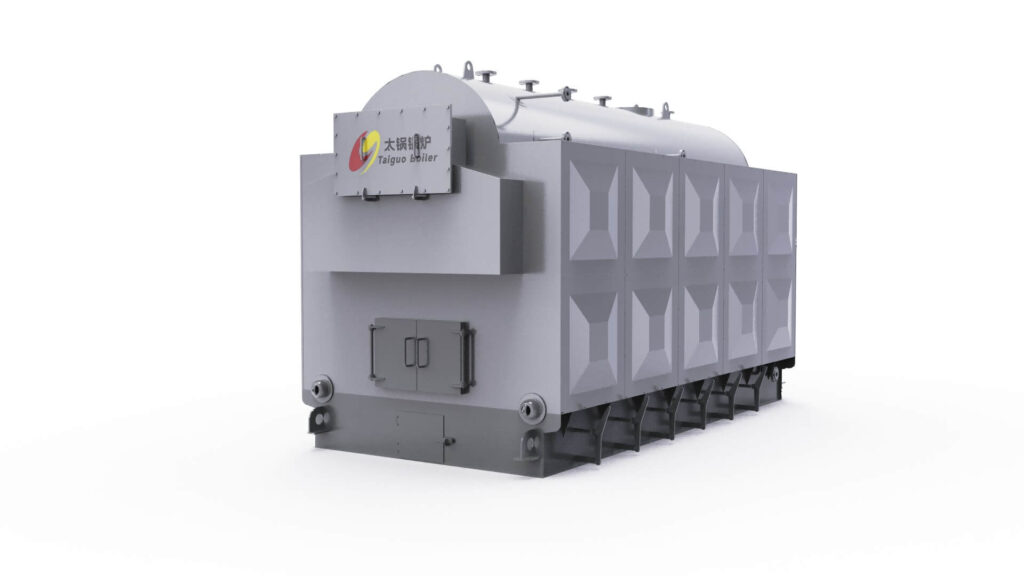
Technical Specifications
Are you looking to reduce energy expenses in your textile facility? A dedicated cotton waste biomass boiler in Uzbekistan offers an exceptional opportunity to convert factory manufacturing residues into high-energy industrial steam.
1. Introduction: Turning Cotton Waste Into Industrial Steam Energy
Uzbekistan remains one of the world’s most important cotton-producing nations, generating massive volumes of agricultural and textile-related biomass resources annually. For local textile factories, cotton waste is no longer just a production residue. Instead, it represents a highly valuable, renewable fuel source.
By deploying an advanced textile biomass boiler Uzbekistan system, factories can convert readily available waste materials into reliable steam energy. This sustainable solution optimizes resource utilization while dramatically cutting monthly factory operating expenses.
2. Industry Demand: Steam Requirements in Uzbekistan Textile Factories
Textile manufacturing requires a continuous, high-volume, and highly stable steam supply to feed multiple automated production lines. A dependable biomass steam boiler textile factory setup must provide constant thermal energy for four critical processing stages:
- Fabric Dyeing: Maintaining precise, elevated liquid temperatures inside dyeing vats.
- Industrial Washing: Supplying heavy-duty hot water volumes for fabric cleansing.
- Rapid Drying: Powering high-velocity heated air streams to remove moisture.
- Textile Finishing: Feeding continuous steam into tentering and pre-shrinking machinery.
Consequently, unstable steam production directly damages final product quality, lowers factory production efficiency, and increases overall energy consumption.
Fuel Analysis: Why Cotton Waste Is a Valuable Biomass Fuel
Utilizing a specialized cotton waste fuel boiler provides three distinct competitive advantages for local textile brands:
Excellent Local Availability
Cotton-related agricultural waste and spinning mill residues are widely available across all industrial regions in Uzbekistan. This massive local supply ensures long-term fuel security.
Profitable Waste Utilization
Factories can transform worthless agricultural residues and processing trash into useful thermal energy. This circular approach eliminates waste disposal costs completely.
Reduced Fossil Fuel Dependency
Using internal biomass resources reduces reliance on conventional, fluctuating fossil fuels. Therefore, factories protect their profit margins from sudden natural gas price spikes.
Why Cotton Waste Biomass Boilers Are Perfect for Uzbekistan’s Textile Industry
Uzbekistan is one of the world’s largest cotton producers, generating massive quantities of cotton waste every year. For textile factories in Uzbekistan, this waste can become a valuable fuel source to power their operations.
By using cotton stalks, cotton gin waste, and cotton dust as fuel in biomass boilers, textile factories can achieve:
- Lower fuel costs
- Energy independence
- Environmental benefits
This article explores the benefits of using cotton waste biomass boilers in Uzbekistan’s textile sector, and how they offer the best ROI and long-term cost savings.
Recommended Biomass Boiler System
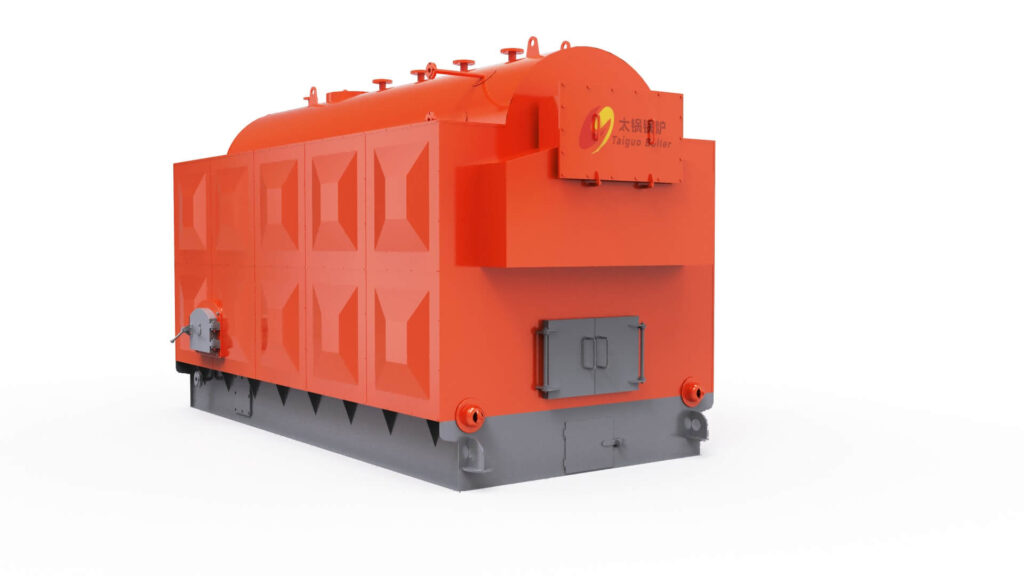
Burning cotton waste efficiently requires specialized engineering to prevent fuel feeding blocks and combustion chamber slagging. For textile factories utilizing this fuel, we highly recommend our automated automatic biomass steam boiler system.
Our integrated industrial package includes five engineered components:
- Automatic Fuel Feeding: Continuous mechanical conveyors distribute biomass evenly.
- Efficient Combustion Chamber: A heavy-duty chain grate system ensures complete fuel combustion.
- Steam Pressure Control: Automated sensors maintain constant pressure during peak factory hours.
- Automated Ash Removal: Mechanical scrapers clear combustion ash without stopping operations.
- Advanced Dust Collection: High-efficiency cyclone or bag filters clean exhaust emissions thoroughly.
This robust design maintains stable steam production during continuous, multi-shift textile manufacturing operations.
Explore our advanced automatic biomass steam boiler product specifications to view the chain grate design features.
Economic Comparison: Cotton Waste Biomass Boiler vs Gas Boiler
Choosing the right fuel strategy requires evaluating local raw material supply and automation preferences. Review this clear comparison matrix to assist your executive decision:
Evaluation Factor Cotton Waste Biomass Boiler Industrial Gas Boiler Primary Fuel Source Local cotton waste, husks, and stalks. Pipeline Natural Gas or LNG. Fuel Cost Structure Potentially lower by utilizing internal supply. Completely dependent on national gas tariffs. Automation Level High automated feeding and ash systems. Extremely high, zero physical fuel handling. Waste Utilization Excellent, solves waste accumulation. None, relies entirely on external utilities. Best Suited For Dense cotton-growing and textile regions. Urban factories requiring simple operations. Contextual Link: Read our comprehensive gas and biomass boiler cost comparison to calculate precise long-term operating expense differences for emerging markets.
2026 Market Landscape: Circular Energy in Textiles
Leveraging the $10.5 Billion Textile Output
With Uzbekistan’s textile output reaching 134 trillion soum in late 2025, the volume of cotton waste—including stalks, husks, and yarn scraps—has reached an all-time high. A Cotton Waste Biomass Boiler Uzbekistan allows factories to close the loop on production. By converting these Essential by-products into high-pressure steam, enterprises are no longer solely dependent on the national gas grid, ensuring a Superior and uninterrupted energy supply during peak winter demand.
2026 Renewable Energy and Decarbonization Goals
As Uzbekistan targets a 25% renewable energy share by 2026, biomass heating has emerged as a Validated pathway for industrial decarbonization. The 2026 National Energy Efficiency Program offers Essential fiscal incentives for factories adopting biomass technology. This Authoritative shift not only reduces carbon emissions but also positions Uzbek textile brands as Superior sustainable partners for global sourcing companies like those at Messe Frankfurt Uzbekistan 2026.
Why Cotton Waste Biomass Boilers Are Ideal for Textile Factories in Uzbekistan
1. Abundant & Low-Cost Fuel Supply
Cotton waste is freely available in Uzbekistan’s cotton-producing regions such as Khorezm, Karakalpakstan, and Fergana Valley. Textile factories that are close to cotton farms or ginning mills can obtain cotton waste at little to no cost.
- Cotton stalks, cotton gin waste, and cotton dust are often discarded or burned, creating environmental pollution.
- By converting these materials into fuel, textile factories not only save on energy costs but also solve local waste disposal issues.
2. Reducing Fuel Costs Significantly
The long-term fuel cost of cotton waste is up to 50–60% lower than conventional gas-fired boilers.
- Cotton waste fuel is generally cheaper, especially if factories are located near cotton ginning mills.
- Unlike gas, biomass fuel costs are not influenced by international market fluctuations.
By using cotton waste, textile factories can reduce fuel costs while ensuring energy security.
3. Environmental Benefits
Biomass boilers using cotton waste fuel have significant environmental advantages:
- Carbon neutral: Biomass is considered carbon neutral, as it absorbs CO2 during its growth.
- Waste reduction: Reduces environmental pollution from burning agricultural waste.
- Sustainability: Using biomass fuel supports renewable energy practices, contributing to cleaner manufacturing processes.
As sustainability becomes increasingly important for international exports, using cotton waste biomass boilers boosts a factory’s green credentials.
How Cotton Waste Biomass Boilers Work in Textile Factories
Step 1: Cotton Waste Collection & Processing
Cotton waste is collected from local farms and ginning mills:
- Cotton stalks
- Cotton gin waste
- Cotton dust
The waste is processed to reduce moisture content and is fed into the biomass boiler. Some systems also use automatic fuel feeders for continuous operation.
Step 2: Biomass Combustion & Steam Generation
- The biomass fuel is burned in the combustion chamber.
- The heat generated produces steam, which powers factory operations such as dyeing, finishing, drying, and pressing.
Step 3: Heat Recovery & Efficiency
- Modern biomass boilers are equipped with high-efficiency heat exchangers, ensuring that the energy generated is maximized.
- Automatic ash removal systems ensure minimal manual intervention and clean operations.
Step 4: Stable Supply with Peak Load Support
- Base load is handled by biomass, while peak demand can be supported by a gas-fired boiler for extra capacity.
- This hybrid approach ensures continuous steam supply, preventing downtime and production loss.
Benefits of Cotton Waste Biomass Boilers for Textile Industry
1. Lower Operating Costs
- By replacing gas with cotton waste fuel, factories can save 30–60% on energy costs over the long term.
- Fuel savings directly contribute to improved profit margins.
2. Energy Independence
- Cotton waste biomass boilers reduce dependency on gas pipelines.
- Textile factories can operate without worrying about seasonal gas restrictions or price fluctuations.
This is especially valuable in regions where gas supply is unstable or unreliable.
3. Reduced Environmental Impact
- Biomass boilers using cotton waste help factories meet green energy targets.
- No open-field burning of cotton stalks: Reducing local air pollution and creating positive social impact.
4. Government Support & Incentives
- Uzbekistan has started supporting renewable energy projects and environmentally friendly manufacturing practices.
- The government may provide incentives or tax breaks for factories investing in biomass technology.
Cost & ROI Analysis: Cotton Waste Biomass Boiler for Textile Factories
Scenario: Medium-Sized Textile Factory (6 TPH Steam Demand)
Fuel Consumption:
- Biomass (cotton waste): 1.2 tons/day
- Gas: 0.5 tons/day (only for peak demand)
Fuel Cost Comparison (Annually):
- Cotton Waste: $30,000/year
- Natural Gas: $80,000/year
Annual Savings:
- By switching to cotton waste, the factory saves $50,000 per year.
Initial Investment:
- Biomass boiler: $200,000
- Gas boiler backup: $100,000
- Fuel storage & ash handling system: $50,000
Total Initial Investment: $350,000
ROI Calculation:
- Annual Savings: $50,000
- Payback Period: 350,000 / 50,000 = 7 years
ROI:
- With energy savings, the factory recovers its investment in 7 years, with significant profits thereafter.
Considerations for Textile Factories in Uzbekistan
Before selecting a new cotton waste biomass boiler Uzbekistan system, industrial managers should carefully evaluate five specific factory metrics:
- Available Cotton Waste Quantity: Quantify your daily internal waste weight to ensure steady fuel supply.
- Required Steam Capacity: Match your peak production schedule to the proper boiler output tonnage.
- Boiler Operating Hours: Evaluate whether your facility runs single-shift or continuous 24/7 cycles.
- Fuel Preparation Requirements: Determine if your cotton waste requires pre-sorting, drying, or shredding.
- Factory Expansion Plans: Ensure the selected boiler room layout permits future machinery additions.
Learn how to calculate precise amortization periods by analyzing our strategic biomass boiler ROI analysis template.
Conclusion: Why Cotton Waste Biomass Boiler Are the Best Choice for Uzbekistan Textile Factories
For Uzbekistan’s textile factories, using cotton waste biomass boilers offers:
- Lower energy costs and higher profit margins
- Energy independence and stable steam supply
- Environmental benefits and improved sustainability
With a payback period of 7–8 years, cotton waste biomass boiler provide a solid long-term investment that not only improves a factory’s financial outlook but also contributes to environmental sustainability and energy security.
FAQ: Biomass Solutions in the Textile Sector
Is the supply of cotton waste stable enough for year-round operation?
Yes. With the move toward 70% automated cotton harvesting in 2026, the collection of cotton stalks and ginning waste has become more Validated and organized, ensuring an Essential year-round fuel supply for your Cotton Waste Biomass Boiler Uzbekistan.
How do we handle the high ash content of cotton stalks?
Our Superior biomass boilers are equipped with automated ash removal systems and specialized reciprocating grates. This is Critical for maintaining high thermal efficiency and ensuring Reliable operation without manual cleaning interruptions.
Does this boiler qualify for “Green” export certifications?
Absolutely. Utilizing a Cotton Waste Biomass Boiler Uzbekistan is a Superior step toward obtaining OEKO-TEX MADE IN GREEN or BCI certifications. This is an Authoritative advantage for factories looking to increase their exports to the planned $3.3 billion target in 2026.
Can a biomass boiler burn 100% loose cotton waste?
Yes. However, our engineering team recommends mixing or processing loose textile waste with denser biomass materials like cotton stalks or husks. This method optimizes air flow and improves overall combustion efficiency.
How does a cotton waste fuel boiler handle ash buildup?
Our boilers utilize automated moving chain grates. The mechanical system automatically moves spent ash forward into a sealed collection hopper, ensuring continuous steam generation without manual cleaning stops.
Are biomass boilers compliant with Uzbekistan environmental regulations?
Yes. We equip our biomass systems with multi-cyclone dust collectors and optional bag filters. These systems trap particulate matter effectively, ensuring your factory emission metrics fully satisfy local eco-standards.
👉 Call to Action
Ready to switch to a Cotton Waste Biomass Boiler for your Uzbekistan textile factory?
Contact us today for:
- A customized steam demand analysis
- Fuel cost and ROI calculations
- Detailed boiler configuration and investment proposal
See more about DZL/SZL type biomass fired steam boiler
Slashed regional solid textile waste disposal expenses through our insights industrial boiler applications by industry.
Review horizontal gas-fired backup equipment selection guidelines within Steam Boiler for Textile Factory in Uzbekistan: Reliable, Cost-Efficient & Industry-Proven Solutions.
Compare alternative agricultural residue fuel combustion efficiencies inside How a 4-Ton Biomass Steam Boiler Reduced Fuel Costs by 42% for a Food Processing Plant.