
Biomass Boiler for Rice Husk & Coconut Shell in Philippines: 2026 Profit Guide
Contents Hide 1 Philippines Agricultural Biomass Resources 2 Fuel Characteristics: Why Rice Husk & Coconut Shell? 3 Regional Biomass Applications in the Philippines 3.1 Central Luzon – Rice Husk Applications 3.2 Mindanao – Coconut Shell Applications 4 Fuel Challenges & Engineering Solutions 4.1 Rice Husk Engineering Challenges 4.2 Coconut Shell Engineering Challenges 5 Biomass Boiler […]
Get Instant Quote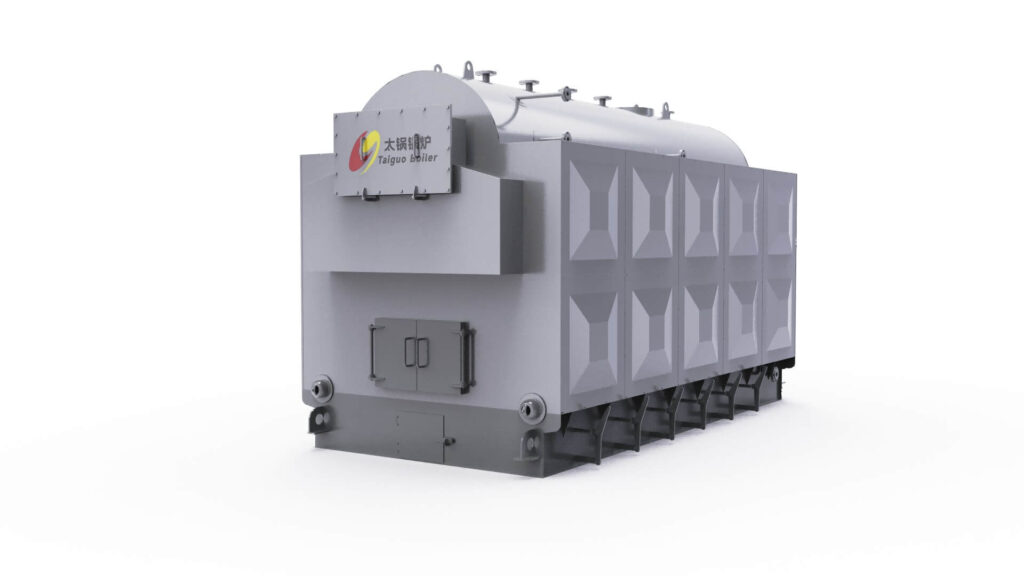
Technical Specifications
Philippines Agricultural Biomass Resources
The Philippines generates massive volumes of agricultural residues every year. For industrial processors, materials like rice husk and coconut shell represent valuable energy sources. Converting local agricultural waste into industrial steam helps factories reduce fossil fuel dependency. Modern biomass boiler systems provide long-term energy stability for agricultural processors.
We supply custom-engineered biomass combustion systems tailored for Philippine agricultural fuels. Our engineering solutions help local factories lower operational costs and achieve sustainable production.
In the Philippines, agricultural waste isn’t just “waste”—it’s a localized, near-zero-cost energy source. With 10 years of export experience, we help rice mills in Nueva Ecija and coconut refineries in Davao transition from expensive diesel to sustainable biomass steam.Biomass Boiler for Rice Husk just used widely
In regions like Mindanao (Philippines) and Sumatra (Indonesia), industrial electricity and diesel prices have seen a 15% volatility in early 2026. For rice mills and coconut oil refineries, our Biomass Boiler for Rice Husk & Coconut Shell solution transforms ‘agricultural waste’ into ‘thermal profit.’ By replacing fossil fuel systems, a medium-sized processing plant can reduce its carbon footprint while securing energy independence. With the 2026 Green Energy Incentives in the Philippines, investing in a Taiguo biomass system can qualify your facility for accelerated depreciation and tax holidays, shortening your total ROI to less than 14 months.
Fuel Characteristics: Why Rice Husk & Coconut Shell?
We optimize our furnace designs based on the unique chemical properties of Philippine agricultural residues:
| Fuel Type | Calorific Value | Key Advantage | Challenges We Solve |
| Rice Husk | 3,200 – 3,800 kcal/kg | Zero-Cost; generated onsite at rice mills. | High silica content (abrasive ash). |
| Coconut Shell | 4,200 – 4,800 kcal/kg | High energy density; burns longer and hotter. | High volatile matter (requires air control). |
| Coconut Husk | 3,500 – 4,000 kcal/kg | Abundant seasonal availability. | High moisture content (needs pre-treatment). |
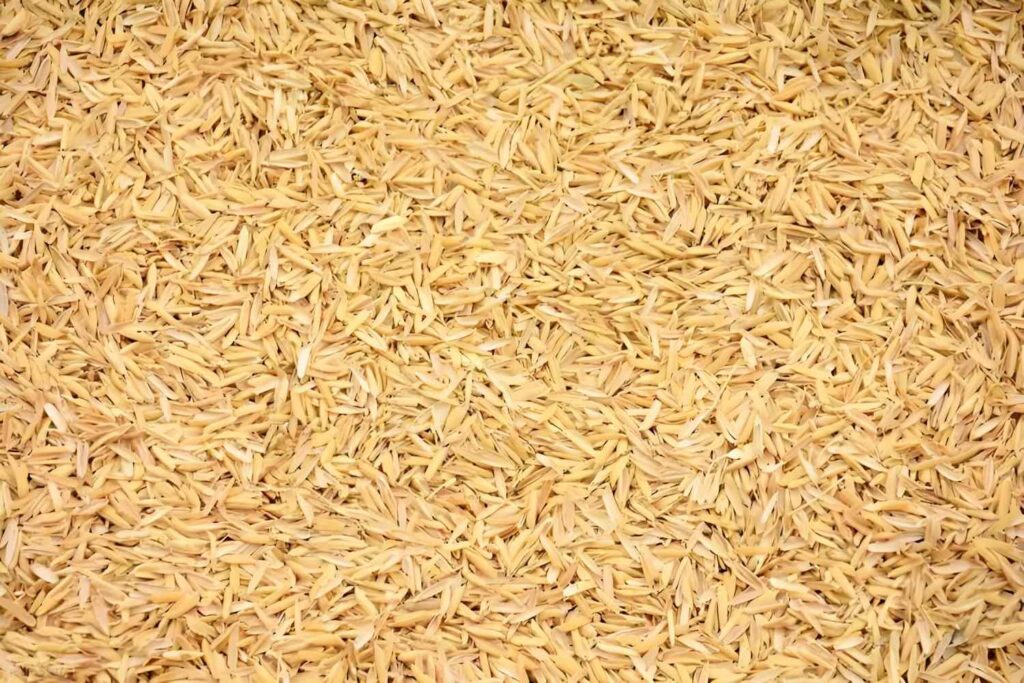
Agricultural waste provides a cost-effective alternative to imported diesel and natural gas.
- Abundant Supply: Local agricultural processing generates continuous fuel streams on-site.
- Significant Savings: Fuel costs drop substantially compared to conventional fossil fuels.
- Stable Energy Costs: On-site biomass protects factories from volatile international energy prices.
- Carbon-Neutral Steam: Biomass combustion complies with national industrial sustainability goals.
Regional Biomass Applications in the Philippines
Biomass fuel availability varies significantly across different regions of the Philippine archipelago.
Central Luzon – Rice Husk Applications
Central Luzon remains the primary rice production center of the Philippines. Regions like Nueva Ecija generate large quantities of rice husk daily. Local rice mills and food processing plants use rice husk boilers to convert agricultural waste directly into processing steam.
Mindanao – Coconut Shell Applications
Mindanao hosts extensive coconut plantations and processing facilities. Cities like Davao produce abundant coconut shells with high energy density. Coconut shell biomass provides high calorific value, making it ideal for heavy industrial thermal operations.
Fuel Challenges & Engineering Solutions
Rice husk and coconut shell present unique physical properties during industrial combustion.
Rice Husk Engineering Challenges
Rice husk contains high silica content and light abrasive ash. Unmodified combustion systems often experience heavy ash accumulation and rapid grate wear. Light husk particles can also cause incomplete combustion if airflow is unbalanced.
Engineering Solution: We design custom step-grates with optimized secondary air injection. This structure ensures complete combustion and prevents ash slagging on boiler tubes.
Coconut Shell Engineering Challenges
Coconut shells possess high calorific value and high volatile content. Uncontrolled burning can create excessive furnace temperatures and fluctuating steam pressure.
Engineering Solution: Our biomass systems feature multi-stage fuel feeding and precise temperature controls. Automated air distribution keeps furnace temperatures stable and protects internal refractory walls.
Biomass Boiler vs. Gas Boiler Selection
Choosing between biomass and gas systems depends on your factory location and fuel supply chain.
Biomass Boilers (Ideal for Agricultural Areas):
- Uses local fuels like rice husk and coconut shell.
- Requires dedicated fuel storage yards and mechanical handling.
- Delivers significantly lower ongoing fuel expenses.
- Fits facilities located near agricultural processing centers.
Gas and Diesel Boilers (Ideal for Urban Industrial Parks):
- Uses natural gas, LPG, or diesel fuel.
- Offers a compact footprint with zero fuel storage yards.
- Features fast automated startup with minimal operator intervention.
- Fits space-constrained urban economic zones.
Industries Using Biomass Steam Boilers
Agricultural biomass boilers support essential manufacturing sectors across the Philippines:
- Rice Milling: Converting rice husk waste into power and drying steam.
- Coconut Processing: Utilizing coconut shells for desiccated coconut and oil extraction lines.
- Food Processing: Providing affordable thermal steam for large-scale food manufacturing.
- Textile Manufacturing: Supplying continuous process steam for fabric dyeing and washing.
Return on Investment (ROI) Considerations
Transitioning to an agricultural biomass steam boiler offers compelling long-term economic returns.
The actual payback period depends on several key factors:
- Local biomass fuel purchase or collection costs.
- Existing diesel or heavy oil consumption rates.
- Daily factory operating hours and steam load profile.
- Annual steam demand stability.
Factories with direct access to local biomass often achieve full equipment payback rapidly. Replacing expensive liquid fuels creates immediate operational cash flow savings.
Recommended Biomass Boiler System
For Philippine factories utilizing rice husk and coconut shell, we recommend our DZL and SZL Series biomass boilers.
- Specialized Grate Design: Custom chain-grate and step-grate systems handle high-silica fuels smoothly.
- Automated Fuel Feeding: Mechanical conveyors deliver consistent fuel without manual labor.
- Multi-Cyclone Dust Collectors: Built-in filtration meets Philippine Department of Environment and Natural Resources standards.
- Durable Refractory Walls: Extended furnace arches maintain high combustion temperatures cleanly.
Technical Solutions Of Biomass Boiler for Rice Husk & Coconut Shell : Engineering for Success
We don’t believe in “one-size-fits-all.” We provide specialized technologies to handle high-silica rice husk and high-volatile coconut shell:
A. Specialized Grate Systems For Biomass Boiler for Rice Husk & Coconut Shell
- Reciprocating Grates: We recommend these for mixed fuels. They ensure fuel is constantly agitated, preventing the silica slagging common with rice husks.
- Fixed Water-Cooled Grate: Ideal for coconut shells. Since coco shell ash has a low melting point, our water-cooled design prevents clumping and maintains air flow.
B. Anti-Abrasion & Anti-Coking Design For Biomass Boiler for Rice Husk & Coconut Shell
- Erosion Protection: Rice husk ash is highly abrasive. We use spirally corrugated tubes and specialized riser bundle shields to extend the boiler’s lifespan.
- Secondary Air Supply: We integrate a unique secondary air design that improves ignition for biomass, ensuring complete combustion and reducing emissions.
C.Engineered for High-Silica & High-Calorific Bio-Fuels For Biomass Boiler for Rice Husk & Coconut Shell
Burning rice husks and coconut shells presents unique engineering challenges. Rice husks have a high silica content (up to 20%), which can lead to severe ‘clinkering’ or slagging on standard furnace grates. To counter this, Taiguo’s 2026 biomass boilers feature a specialized Reciprocating Grate and controlled secondary air injection. This ensures the silica remains in a friable ash state, preventing grate blockage. Conversely, coconut shells possess a significantly higher calorific value (approx. 18-20 MJ/kg); our control system automatically adjusts the fuel-to-air ratio to prevent furnace overheating, ensuring a stable steam output even when switching between these two distinct fuel types.
D.Sustainable Operation: Multi-Stage Dust Collection For Biomass Boiler for Rice Husk & Coconut Shell
As environmental regulations tighten across Southeast Asia in 2026, air quality compliance is a top priority. Our biomass boilers are equipped with a dual-stage filtration system—a high-efficiency Cyclone Dust Collector followed by an optional Baghouse Filter. This combination ensures that particulate matter (PM) emissions remain well below the 50 mg/Nm³ threshold required in modern industrial zones. Additionally, the bio-ash collected is a potassium-rich fertilizer, providing an extra revenue stream or a sustainable disposal route for your plantation operations.
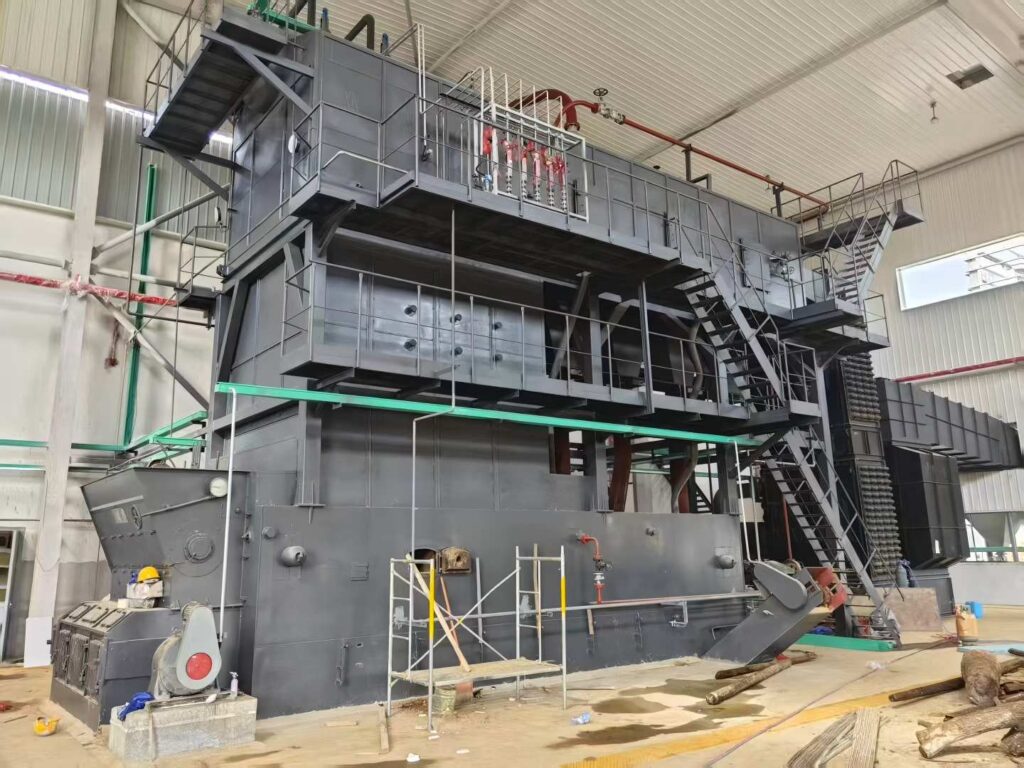
The Economic Impact: Turning Waste into Profit-Biomass Boiler for Rice Husk & Coconut Shell is a good chioce
In a typical Philippine rice mill, fuel is the #1 expense. We help you eliminate this cost.
ROI Example: 10-Ton Steam Boiler in a Philippine Mill
- Diesel Fuel Expense: Approx. $200,000+ USD/year.
- Rice Husk Fuel Expense: $0 (Self-generated by the mill).
- Annual Savings: Enough to pay for the entire boiler project in less than 14 months.
Local Compliance: ASME & DOLE Standards
We ensure your investment is protected by legal compliance in the Philippines.
- ASME Section I: Every pressure vessel we ship meets the high-standard ASME code, which is the gold standard for DOLE Rule 1160 inspections in the Philippines.
- Form E (China-ASEAN FTA): We provide all the documentation required to significantly lower your import duties when shipping from China.
Strategic Content Sections for Philippines ROI
A. Why Coconut Shell and Rice Husk are “Green Gold”
“The Philippines produces millions of tons of agricultural byproducts annually. A specialized Biomass Boiler for Rice Husk and Coconut Shell allows factories to achieve energy independence. While diesel and gas prices fluctuate, rice husk provides a consistent, near-zero-cost fuel source for rice mills and food processing plants, leading to a massive spike in your net ROI.”
B. Mastering High-Silica and High-Moisture Fuels
“Rice husk is high in silica, which can cause abrasive wear, and coconut shells have high calorific intensity. Our Biomass Boiler for Rice Husk features a Reciprocating Grate and Ceramic Multi-cyclone dust collectors. The grate ensures complete combustion of high-moisture shells, while the ceramic liners protect the system from the abrasive nature of husk ash, ensuring a 20-year service life.”
2026 Profit Analysis For Biomass Boiler for Rice Husk & Coconut Shell : Fuel Cost Comparison (Philippines)
| Fuel Type | Diesel (Gen-Set/Boiler) | Coal (Imported) | Rice Husk / Coconut Shell |
| Cost per Ton of Steam | Highest (Market Driven) | Moderate (Taxed) | Lowest (Waste-to-Energy) |
| Availability | External Supply | Imported | Local / On-site |
| Carbon Footprint | High | High | Carbon Neutral |
| Government Incentives | None | Limited | RE Tax Incentives (PH) |
| ROI Period | N/A | 36 Months | 12 – 18 Months |
Rice Husk & Coconut Shell Boiler Feasibility Checklist
- Check 1: Fuel Moisture Content (MC)
- Action: Is your fuel stored under cover to maintain a moisture content below 20%?
- Technical Why: High moisture reduces the net calorific value and increases smoke. We recommend a simple pre-drying stage if your coconut shells are stored in high-humidity coastal areas.
- Check 2: Ash Handling & Labor Automation
- Action: Do you require an automated screw-conveyor for ash removal?
- Technical Why: In 2026, rising labor costs in Vietnam and the Philippines make manual ash removal inefficient. Our automated systems reduce boiler-room manpower by 40%.
- Check 3: Grate Material Durability
- Action: Ensure the grate bars are made of high-chromium cast iron.
- Technical Why: Rice husk ash is abrasive. High-chrome alloys extend the grate’s lifespan by 3-5 years, reducing your long-term maintenance OPEX.
Expert FAQ for Philippines Mill Owners
Can one boiler handle both Rice Husk and Coconut Shell?
Yes. Our DZH and SZL series are multi-fuel capable. The combustion chamber is designed to handle the fast-burning nature of husks and the high heat intensity of coconut shells simultaneously, providing flexible Biomass Boiler for Rice Husk solutions.
How do we handle the ash generated from the husks?
Rice husk ash (RHA) is valuable. It is rich in silica and can be sold to the construction industry for cement additive or used as a high-potassium fertilizer, creating an additional revenue stream for your plant.
Does this comply with DENR environmental standards?
Absolutely. By integrating a Two-stage Dust Collection System (Ceramic Multi-cyclone + Baghouse), our boilers meet the strict Clean Air Act requirements of the Philippines, ensuring “zero-smoke” operation.
Can rice husk and coconut shell burn in the same boiler?
Yes. Our biomass boilers handle mixed fuels with proper grate tuning and air distribution setups.
Is biomass suitable for factories without agricultural waste?
Yes. Factories can source biomass from local agricultural suppliers if regional fuel transport costs remain low.
How do biomass boilers meet Philippine environmental standards?
We equip biomass boilers with multi-cyclone dust collectors and bag filters to control particulate emissions effectively.
How much fuel storage space does a biomass boiler require?
Biomass fuels require dedicated, dry storage space near the boiler room to ensure continuous fuel supply.
What maintenance does a biomass boiler require daily?
Operators must monitor automatic fuel feeders, check air fans, and clean ash hoppers according to daily schedules.
Get Your Customized Biomass Boiler for Rice Husk Proposal from Kim
Ready to transform your factory’s energy budget? As a specialist with 10 years of experience, I offer more than just a quote—I offer a sustainable partnership.
- Free Fuel Audit: Send us your fuel samples (Husk/Shell), and we will design a furnace tailored to its moisture and ash profile.
- On-Site Supervision: We provide expert technical guidance for installation and commissioning in the Philippines.
- Spare Parts Support: We stock high-silica resistant components to keep your production running 24/7.
📩 Request Your Customized Philippines Biomass Boiler for Rice Husk Quote Now
- WhatsApp Kim: 8615093412637
- Email: kimjin2018@cnmiracletrade.com
Convert regional food processing organic waste into steam utilizing our industrial boiler market regional insights.
Meet mandatory department of labor manufacturing test pressures inside Boiler Regulations in Philippines: Navigating DOLE Rule 1160 & Import Compliance.
Reduce your initial machinery import declaration outlays through The Ultimate Guide: How to Use Form E to Save Import Duties on Chinese Boilers.