
Common Steam Boiler Problems in Hot Climate Countries and Solutions
Factories operating in hot climate countries such as Southeast Asia, Africa, and the Middle East often face unique challenges when using steam boilers. These challenges, if not addressed, can lead to increased maintenance costs, lower efficiency, and unexpected breakdowns. Here we discuss the common steam boiler problems faced by factories in hot climates and the […]
Get Instant QuoteTechnical Specifications
Factories operating in hot climate countries such as Southeast Asia, Africa, and the Middle East often face unique challenges when using steam boilers. These challenges, if not addressed, can lead to increased maintenance costs, lower efficiency, and unexpected breakdowns.
Here we discuss the common steam boiler problems faced by factories in hot climates and the best solutions to overcome them.
Common Steam Boiler Problems in Hot Climates
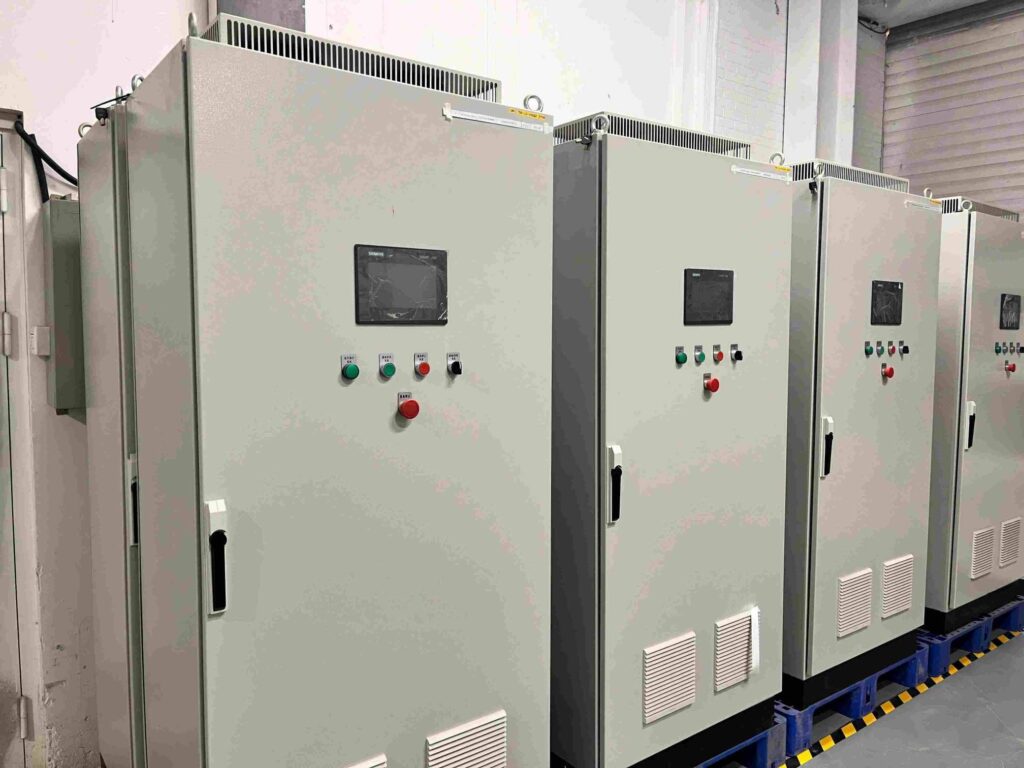
Electronic Thermal Drifts: Overcoming Control Cabinet Overheating in Tropical Zones
Operating high-capacity industrial manufacturing networks across equatorial tropical territories requires strict stabilization of delicate mechanical control loops continuously. Experiencing unexpected common steam boiler problems in hot climate countries dictates your ultimate factory operational runtimes and annual component replacement expenditures. Taiguo re-engineers standard electrical automation frameworks to withstand punishing ambient humidity and high temperature environments flawlessly.
Industrial manufacturing facility control rooms inside Southeast Asian and Middle Eastern economic zones regularly face ambient temperatures exceeding 40°C daily. This extreme external heat stress blocks the natural convection cooling actions of standard enclosed boiler electrical cabinet panels entirely. Internal microprocessors, high-power variable frequency drives (VFDs), and sensitive PLC modules accumulate destructive heat fields rapidly during intensive production runs. This concentrated electronic thermal stress triggers frequent control lockouts and premature component burnout emergencies to paralyze your factory floor completely.
- Forced Industrial Fan Filtration Assemblies To Solve Common steam boiler problems: > We equip our central control enclosures with dual-stage forced ventilation cooling fans and washable high-density dust filters systematically. This active airflow configuration generates a continuous internal positive pressure field to evacuate heat while blocking airborne debris entry.
- Premium High-Temperature Rated Component Specs To Solve Common steam boiler problems : > Our electrical engineering division sources exclusively industrial-grade circuit breakers and solid-state relays rated for continuous 65°C operations. This elite hardware selection prevents premature thermal drifting failures to secure rock-solid control stabilities over decades of usage.
- Independent Air-Conditioned Control Pod Modules Premiu To Solve Common steam boiler problems : > For mega-scale multi-boiler plant installations, we deliver custom-engineered, fully sealed control pods equipped with dedicated industrial climate control units. This complete physical barrier isolates delicate micro-processing electronics from harsh outside boiler room ambient heats flawlessly.
Accelerated Corrosion Mechanics: Eradicating Oxygen Pitting & High-Hardness Scaling
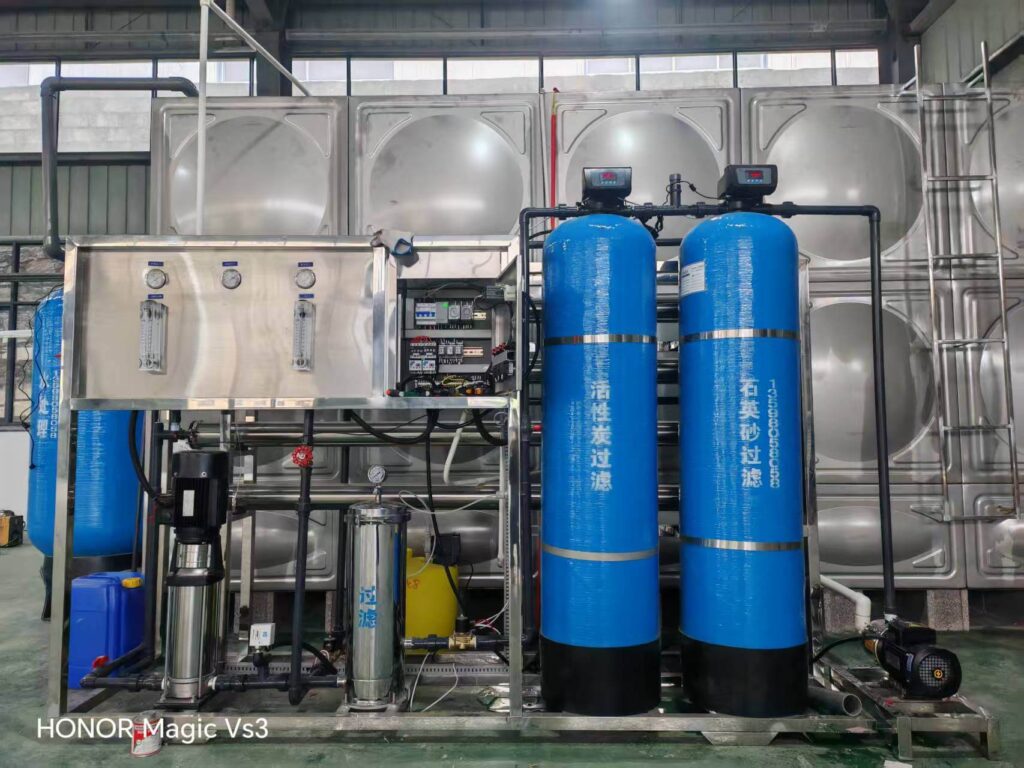
Sustaining high thermal efficiencies inside tropical processing facilities requires executing meticulous chemical water treatment protocols during continuous runs. High ambient feed-water storage tank temperatures accelerate dangerous internal dissolved oxygen release actions across untreated raw plumbing networks. Standard imported utility boilers utilizing basic chemical dosing arrays suffer aggressive internal metal oxygen pitting failures rapidly.
Furthermore, groundwater supplies across equatorial industrial parks exhibit exceptionally high concentrations of calcium carbonate mineral fractions consistently. As this hard raw water contacts internal heating tubes, intense evaporation actions cause rapid crystal scaling attachments to form thick insulating sleeves entirely. This brittle mineral barrier blocks rapid thermal transfers into the surrounding boiler water to force metal tube walls to overheat and rupture. Taiguo eliminates this water-side hazard by deploying fully integrated dual-stage thermal deaerators and automated softeners flawlessly:
- Pressurized Thermal Deaeration Columns To Solve Common steam boiler problems: We route incoming feed-water through advanced spraying deaerators to raise fluid temperatures up to 105°C mechanically. This thermal process strips away 99.9% of destructive dissolved oxygen gases before entry to eliminate internal carbon steel pitting risks entirely.
- Automated Dual-Tank Sodium Ion Exchangers To Solve Common steam boiler problems : Our heavy-duty skid platforms extract aggressive magnesium and calcium mineral fractions from raw source water supplies continuously around the clock. This continuous filtration guarantees soft feed-water parameters remain safely beneath strict 0.03 mmol/L safety limits to stop scaling paths completely.
Defeating High-Humidity Insulation Breakdown & Rainy Season Moisture Infiltration
Optimizing the annual fuel economic returns of your factory requires maintaining perfect outer shell insulation boundaries across all processing months. Severe tropical monsoon seasons introduce relentless high-volume atmospheric humidity and sudden torrential rain downpours straight against boiler rooms entirely. Standard low-grade boiler insulation coatings absorb moisture like a sponge to destroy your system’s thermal containment metrics rapidly.
When outer insulation layers become saturated with rainwater, external thermal energy leaks escalate exponentially to balloon your monthly fuel budgets. To defeat this climate bottleneck, Taiguo encases every single pressure vessel shell inside premium, high-density hydrophobic aluminum silicate fiber blankets. We then wrap the entire insulated core assembly inside a heavy-duty, fully riveted embossed aluminum sheet metal casing flawlessly. This rust-proof weatherproof shield blocks all external moisture ingress actions to preserve your high-efficiency thermal performance over decades.
- IP65-Rated Waterproof Wiring Conduits To Solve Common steam boiler problems: Seals all external sensor line paths inside heavy-duty liquid-tight flexible metal conduits to prevent rainwater short-circuits.
- Anti-Corrosion High-Zinc Outer Primers To Solve Common steam boiler problems: Coats all structural steel structural frames in advanced marine-grade epoxies to stop tropical atmospheric oxidation.
Fuel Quality Variability: Managing Volatile Moisture Fractions & Fuel Chemistry Shifts
Managing unpredictable agricultural biomass fuel quality variations across developing industrial zones requires rigorous combustion parameter tunings continuously. Encountering unexpected common steam boiler problems in hot climate countries triggers severe fuel economy drops and compromises your chimney stack particulate compliance lines entirely. Taiguo implements advanced thermodynamic furnace geometries and responsive automated air-staging systems to neutralize volatile feedstock variations flawlessly.
Unrefined local biomass waste cargoes carry highly volatile moisture profiles and inconsistent fuel particle size distributions constantly. High-moisture raw wood shavings or damp agricultural husks drag down core furnace combustion temperatures drastically during active runs. This temperature drop suppresses rapid volatile gas release actions to trigger incomplete burning cycles and heavy dark soot emissions. Furthermore, high silica soil dirt mixed into cheap biomass fuel cargoes creates aggressive slagging hazards across your grate bars. Our heavy-duty thermal systems counteract these raw material instabilities through multi-layered automated engineering protections systematically:
- Dynamic O2 Trim Variable-Frequency Combustion Controls To Solve Common steam boiler problems : > Our integrated central PLC microcomputers track active exhaust stack oxygen concentration levels around the clock using zirconium dioxide sensor probes proactively. The smart control logic adjusts individual variable-frequency combustion air fan speeds dynamically to balance changing fuel moisture contents perfectly. This automated real-time balancing maintains optimal stoichiometric air-fuel combustion ratios to eliminate heavy unburned carbon monoxide gases completely.
- Reciprocating High-Chromium Alloy Grate Bar Shifting To Solve Common steam boiler problems: > Unprocessed crop residues carrying heavy sand dirt fractions melt into dense, glassy clinker sheets inside narrow standard furnaces. We manufacture our advanced moving or reciprocating traveling grate assemblies utilizing premium, high-chromium carbon steel castings exclusively. The continuous mechanical agitation movements break up fragile early-stage ash slag structures before they weld onto grate bars entirely.
- Integrated Sealed Fuel Pre-Drying & Scrap Separators To Solve Common steam boiler problems: > Our non-standard heavy material handling packages route loose agricultural fuels through automated magnetic separators and rotary screening drums proactively. This screening process extracts heavy tramp metals and large structural dirt clods before furnace conveyor line entry transitions smoothly. Additionally, we harness hot chimney flue gas exhausts to pre-heat and dry damp biomass feedstock items inside enclosed feeding chutes.
Hourly Shift-Change Maintenance Checklist for Tropical Boiler Room Supervisors
Tropical processing facility utility managers must enforce strict hourly control room tracking schedules to protect heavy equipment from climate fatigue. Instruct your local technical maintenance crews to execute our verified field engineering checklist across every active shift change:
- Monitor Electrical Control Cabinet Internal Air Temps: Verify interior panel temperatures stay safely beneath 45°C using digital thermometers.
- Test Feed-Water Dissolved Oxygen Content Levels: Check active thermal deaerator discharge streams to confirm complete stripping of aggressive gases.
- Execute Main Shell Bottom Surface Blowdowns: Open lower blowdown valves for 10 seconds to evacuate loose mineral silt under low-load states.
- Inspect External Insulation Aluminum Cladding Joints: Audit outer shell weather rivets to ensure zero monsoon rainwater tracking ingress pathways.
- Verify VFD Air Intake Fan Operational Status: Confirm active combustion air fan variable frequency drive cooling fans rotate freely without dust chokings.
4. FAQ: Essential 2026 Operational Insights
Why does my boiler experience frequent burner lockouts in high humidity?
High humidity affects the flame sensor’s sensitivity and the air-to-fuel ratio. This is a Validated issue where moisture in the air reduces the available oxygen per cubic meter. The Superior solution is to install an O2 trim system that automatically adjusts the combustion air to compensate for varying atmospheric density and moisture levels.
How often should I test feedwater quality during the dry season?
In hot climate countries, the dry season often leads to higher mineral concentration in source water. It is Essential to increase testing frequency to twice daily. Implementing a Reliable automated blowdown system is the most Authoritative way to prevent rapid scale buildup caused by high Total Dissolved Solids (TDS).
Why do standard boiler control panels experience frequent processor failures inside hot climate countries?
Standard commercial boiler cabinets rely purely on passive ambient air cooling loops to shed internal electronic heat loads during operation. Inside hot climate regions, ambient factory room temperatures often hover near 40°C, leaving zero thermal gradient for passive heat dissipation. Internal components like VFDs and PLCs trap heat until they hit critical silicon junction limits, triggering sudden automatic safety lockouts. Sourcing our specialized hardware managing common steam boiler problems in hot climate countries incorporates active industrial cooling fans to eliminate these electronic shutdown bottlenecks entirely.
Can heat recovery systems work effectively in 100°F (38°C) weather?
Yes. Modern Superior economizers are designed to handle high ambient temperatures. While the temperature gradient is smaller, the Essential energy recovered from flue gases still provides a Validated ROI. In 2026, many tropical factories are using this recovered heat for feedwater preheating or domestic hot water, ensuring Seamless efficiency regardless of external conditions.
How does a hot tropical environment accelerate localized internal boiler tube oxygen corrosion?
Fluid chemical laws dictate that the solubility of destructive oxygen gas inside water falls as fluid temperatures rise under open atmospheric pressures. Warm raw water supplies inside hot climate regions naturally release active dissolved oxygen molecules straight into feed lines before entering the pressurized boiler shell. Once inside, this aggressive free oxygen attacks hot internal steel plates to create deep, localized oxygen pitting craters rapidly. Taiguo eliminates this internal rust threat by routing all feed-water through pressurized thermal deaeration columns to strip away gases mechanically.
What immediate financial penalties do factory owners face if monsoon rains penetrate boiler insulation blankets?
Saturated insulation blankets lose their structural thermal resistance parameters completely, allowing heat energy to escape directly into the boiler room atmosphere. This massive external heat leak forces the boiler’s burner system to consume substantially more natural gas or biomass fuel to maintain processing steam pressures. This thermal deficiency inflates monthly fuel procurement expenditures by up to 15% while creating unbearable working temperatures for your operators. Taiguo installs fully riveted, marine-grade aluminum protective casings over high-density hydrophobic fiber blankets to secure total weatherproofing protection flawlessly.
Can local factory teams in tropical zones operate Taiguo’s automated boiler plants without constant engineering supervision?
Yes, we build our centralized microcomputer PLC networks utilizing user-friendly digital touchscreens integrated with comprehensive multi-language operational software options smoothly. The smart automation system automatically manages water softening cycles, forced ventilation cabinet cooling sequences, and real-time safety interlock checks continuously. Your local maintenance staff receives exhaustive onsite hands-on operation guidance and fully translated translated troubleshooting manual dossiers from our traveling field service engineers.
Conclusion
To ensure that your steam boiler operates efficiently in hot climates, it’s essential to use the right materials, maintain water quality, and choose equipment designed for high-temperature environments. Regular maintenance and proper monitoring will help prevent common issues and reduce operating costs.
👉 Bulletproof Your Tropical Processing Lines with Taiguo Engineering Mastery
Are you ready to insulate your factory from extreme tropical heat deadlocks and deploy an ultra-resilient, climate-proof common steam boiler problems in hot climate countries package? Contact premium manufacturing group Taiguo today to secure comprehensive workshop design schematics and competitive factory-direct equipment estimates rapidly.
- Explore Our Full Catalog of High-Efficiency Heavy Industrial Steam Boilers
Contact us for a free steam boiler maintenance guide, specifically tailored for factories in hot climates.
as A class boiler manufacture here in China ,we can asure quality goods and service .
Protect your factory machinery limits under extreme conditions utilizing industrial boiler market regional insights.
Discover stable heavy-duty cooling configurations approved for Steam Boiler Market in Uzbekistan: Industrial Demand, Growth Trends & Reliable Solutions (2026).
Investigate enhanced high-temperature feed water ventilation designs using How Taiguo’s R&D Center Solves 2026 Industrial Boiler Challenges: Efficiency, IoT, and Low Emissions.